
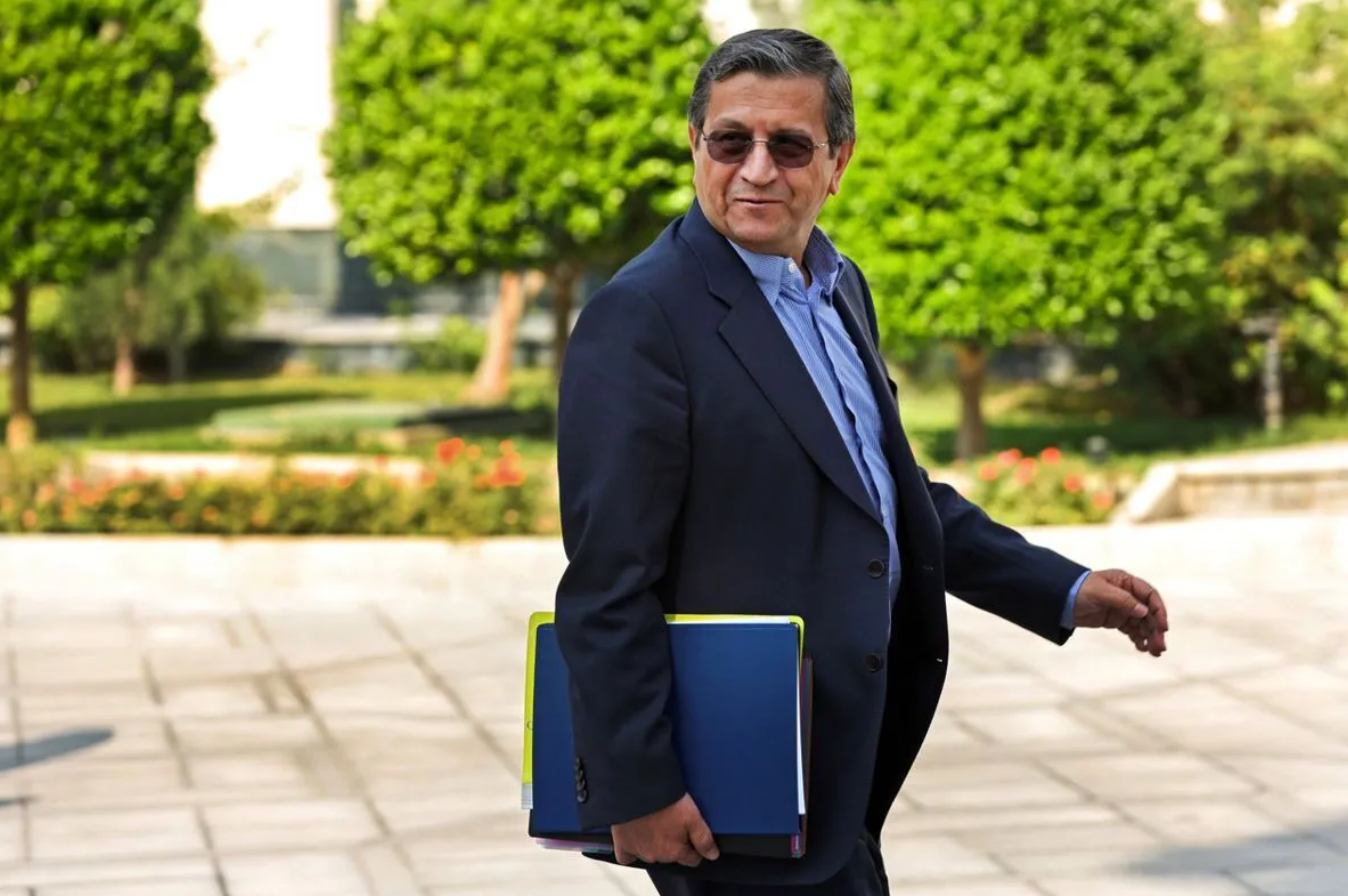
Iran’s central bank governor has presented a roadmap for steering the economy through the challenges created by war and sanctions, acknowledging a contraction in economic growth during the last fiscal year while expressing optimism that ongoing diplomatic efforts and recent agreements could pave the way for economic stabilization and renewed development.
Tehran-IranView24-Economic
Governor of the Central Bank of Iran (CBI) Abdolnasser Hemmati has outlined the country’s strategy for addressing economic challenges resulting from external pressures and recent military tensions, emphasizing the need for a realistic assessment of economic conditions while maintaining a focus on long-term development.
Speaking via video link at the opening ceremony of the 33rd Annual Monetary and Foreign Exchange Policies Conference on Sunday, Hemmati revealed that Iran’s gross domestic product (GDP) contracted by 0.7 percent in the fiscal year that ended on March 21, 2026.
According to the central bank chief, the economy experienced an even sharper decline when oil revenues were excluded from the calculations.
“GDP growth at the end of last year was minus 0.7 percent. Excluding the oil sector, GDP fell by 1.1 percent, meaning national output declined by about 1 percent,” Hemmati said.
The remarks came as Iranian officials continue efforts to mitigate the economic consequences of what Tehran describes as a US-Israeli war of aggression and years of unilateral sanctions targeting key sectors of the country’s economy.
Hemmati stressed that the combination of military pressure and sanctions has created significant obstacles for economic growth and directly affected the livelihoods of ordinary Iranians.
“The combination of war and cruel sanctions has posed serious challenges to the country’s economy. Most importantly, people’s livelihoods have been severely affected because various sectors of the economy have been impacted by sanctions,” he said.
The central bank governor emphasized that protecting living standards and improving public welfare remain top priorities, while calling for development-oriented policies alongside crisis management measures.
Additional economic data presented at the conference highlighted the scale of the challenges facing policymakers. Jaafar Mehdizadeh, the CBI’s director general for economic policies, said liquidity growth had surged to 53.3 percent by the end of the previous fiscal year, while government revenues have also come under significant pressure.
Hemmati noted that inflation reached 53 percent by the end of the second month of the current fiscal year, placing inflation and liquidity growth at nearly identical levels and underscoring the need for decisive monetary measures.
The governor warned that economic growth could weaken further during the current fiscal year ending in March 2027, as industrial production and economic activity have been disrupted following damage to manufacturing facilities and infrastructure during the recent conflict.
Despite these challenges, he stressed that the central bank has already begun implementing monetary policies aimed at curbing inflation and slowing liquidity growth.
“We hope these measures will gradually reduce liquidity growth and bring inflation under control,” Hemmati said.
At the same time, the governor expressed optimism about the prospects of ongoing diplomacy between Tehran and Washington. He pointed to recent political developments, negotiations and a newly signed agreement as factors that could help improve economic conditions.
Hemmati’s remarks came as senior Iranian and US officials resumed talks in Switzerland following the memorandum of understanding signed by Iranian President Masoud Pezeshkian and US President Donald Trump, which extended the ceasefire between the two countries for 60 days and established a framework for future negotiations on Iran’s nuclear program and other issues.
Iranian officials view the talks as an opportunity to secure a lasting end to hostilities, facilitate the resumption of oil exports, and restore access to the country’s financial resources abroad.
According to Hemmati, progress in negotiations and the easing of restrictions on Iran’s economic activities could provide much-needed momentum for recovery, helping the country move from crisis management toward sustainable economic development.


6 Responses