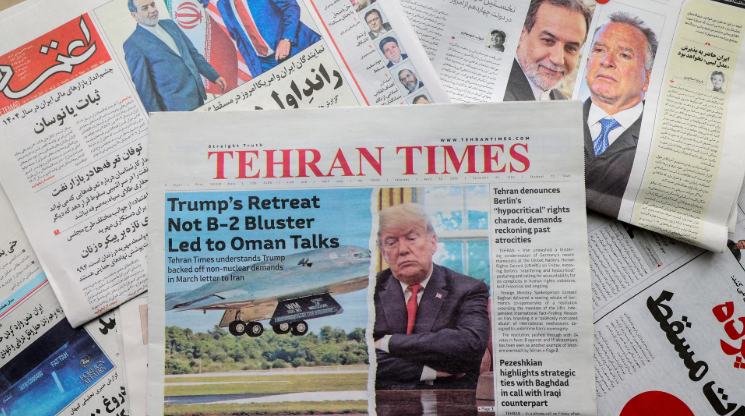
Given Donald Trump’s unpredictability, the contours of his policymaking and a range of other variables, offering a precise forecast of the ongoing negotiations between Iran and the United States is no simple task. Even so, there are indications that this round differs in important ways from earlier efforts. In previous negotiations, the US ultimately turned to military action in June, seeking to deliver a decisive blow. At that time, Washington had neither tested a direct military strike on Iran nor had domestic unrest at its disposal aimed at what it described as regime change. In the current talks, it has both experiences behind it.
Mostafa Alaei, Iran Daily
This time, however, Washington come back to the table after two clear setbacks. The first emerged from the 12-day war, when it became apparent that even a forceful military campaign, carried out with surprise and intensity, failed to secure its stated objectives. Damage was inflicted, but the broader goals that had been outlined were not realized. The second setback followed attempts to capitalize on unrest inside Iran. Protests rooted in legitimate demands over economic grievances were seen by Washington as an opportunity. Efforts were made to leverage that moment, including through armed elements, yet it became clear that this path, too, would not deliver the desired outcome.
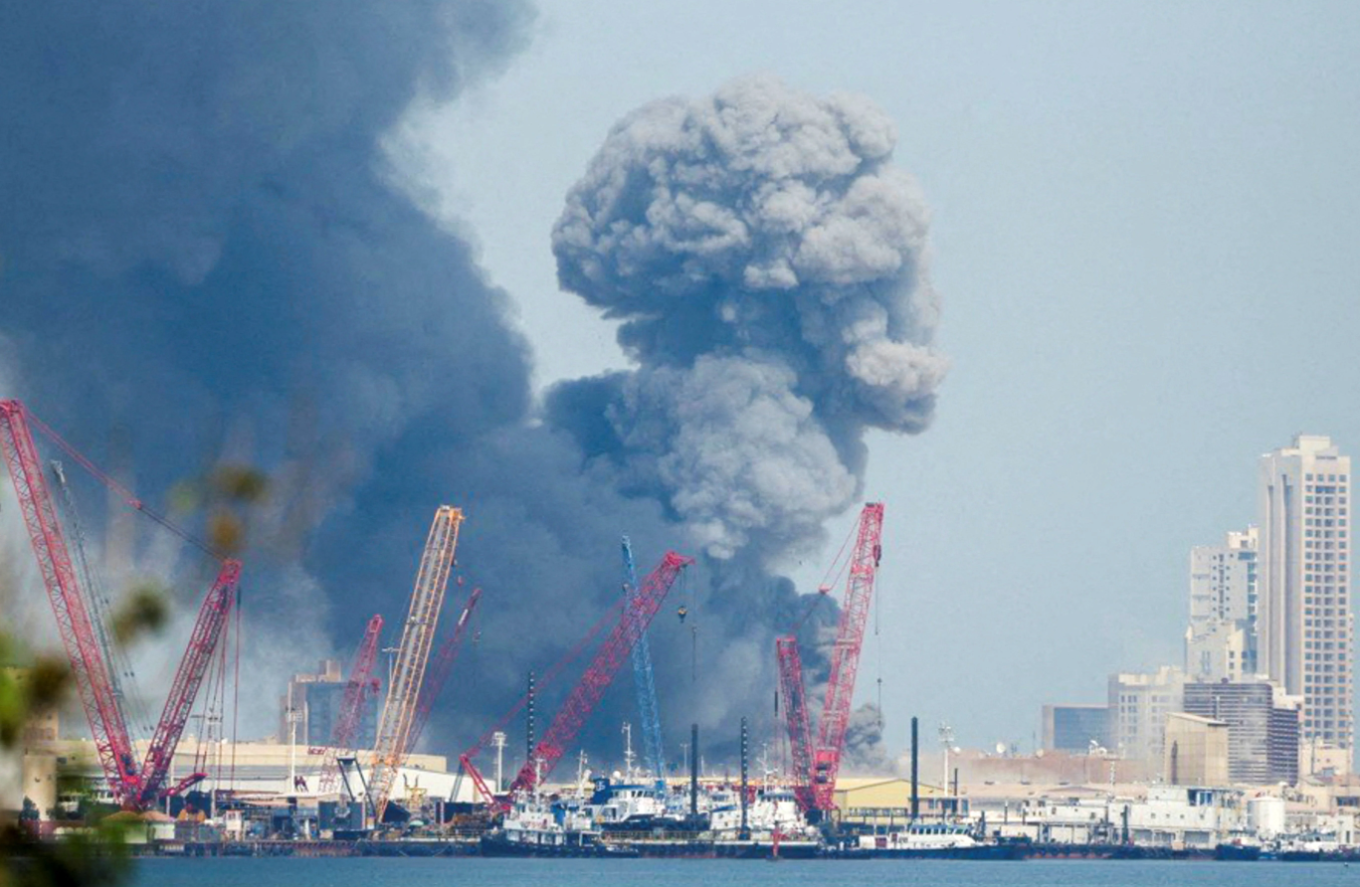
Those two failed experiences for Israel and the United States in dealing with Iran suggest that the current negotiations are not simply a rerun of the past. It is therefore plausible that Trump may now contemplate offering concessions, or at least to entertain in his own calculations the need to place some on the table. This calculation unfolds against the backdrop of a massive US military deployment in the Persian Gulf, aimed at signaling deterrence and applying pressure. The show of force is unmistakable, yet this round of negotiations appears, in several respects, distinct from those that preceded it.
The strategic weight of these talks is inseparable from the broader regional context, particularly the scale of the US military buildup in the Persian Gulf and Iran’s stated posture of deterrence. Tehran has made clear that if war breaks out, it will respond forcefully and that any such conflict would inevitably spill over across the region.
As a result, regional states view a confrontation between Iran and the United States as a serious and immediate threat.
For Persian Gulf countries, a large-scale conflict would put both their economic interests and global standing at risk. Should the United States carry out major strikes against Iran, the fallout would not be confined to Iran alone. The reverberations would extend to the Persian Gulf states and potentially beyond.
The possibility that a war could quickly become regional has prompted governments to step up efforts to prevent it. Persian Gulf states and other Middle Eastern countries, including Egypt, along with actors beyond the region, are working in earnest to avert a military clash between Tehran and Washington. From a strategic standpoint, this lends added importance to the current negotiations. US policymakers may conclude that reaching some form of agreement is necessary. Otherwise, a serious divergence could emerge between American interests and those of regional partners. Unlike in the past, US objectives might not enjoy full regional backing if they are seen to jeopardize local interests.
For these reasons, an agreement at this juncture would carry strategic significance. A deal would serve the interests of regional states, Iran and the United States alike. The prospects for achieving such an understanding appear stronger in this round. Diplomacy, after all, is rarely straightforward. It is a layered and intricate process, shaped by multiple tools, tactics and formulations. Publicly declared positions are a routine feature of international negotiations and, on their own, do not predetermine the outcome.
History offers ample evidence that even after decades of entrenched disagreement, negotiators can eventually craft language that preserves main positions while narrowing gaps through careful wording and, at times, constructive ambiguity. From that vantage point, there is greater room now than before for cautious optimism about the diplomatic track.
Pressure from hawkish factions has long weighed on US administrations. This time, however, Trump appears to face a set of challenges that encourage greater caution. The accumulation of political and strategic pressures surrounding him has reduced his room to align fully with pro-Israel and warmonger Republican lobbies as in previous instances.
With elections approaching, the political outlook remains uncertain. A defeat would expose him to the deeply unwelcome prospect of impeachment and intensified domestic pressure. At the same time, regional states are unlikely to lend support if their own interests are put at risk. There are additional concerns that weigh on the current administration. Taken together, these factors suggest that lobbying forces may not exercise the same degree of influence as before. In that sense, the present circumstances leave room for guarded hope.