Recent developments in Yemen cannot be analyzed solely as a cyclical resurgence of tensions between Saudi Arabia and Ansar Allah. The core significance of these developments lies in a shift in the nature of the balance of power: Saudi Arabia is no longer able to manage the Yemen portfolio merely as a security issue in its own backyard. Therefore, it is attempting to achieve its historical objectives in Sanaa within the framework of a regional war against Iran and the Axis of Resistance—a dynamic that is also considered part of the United States’ distributed warfare strategy in the region.
Tehran-IranView24
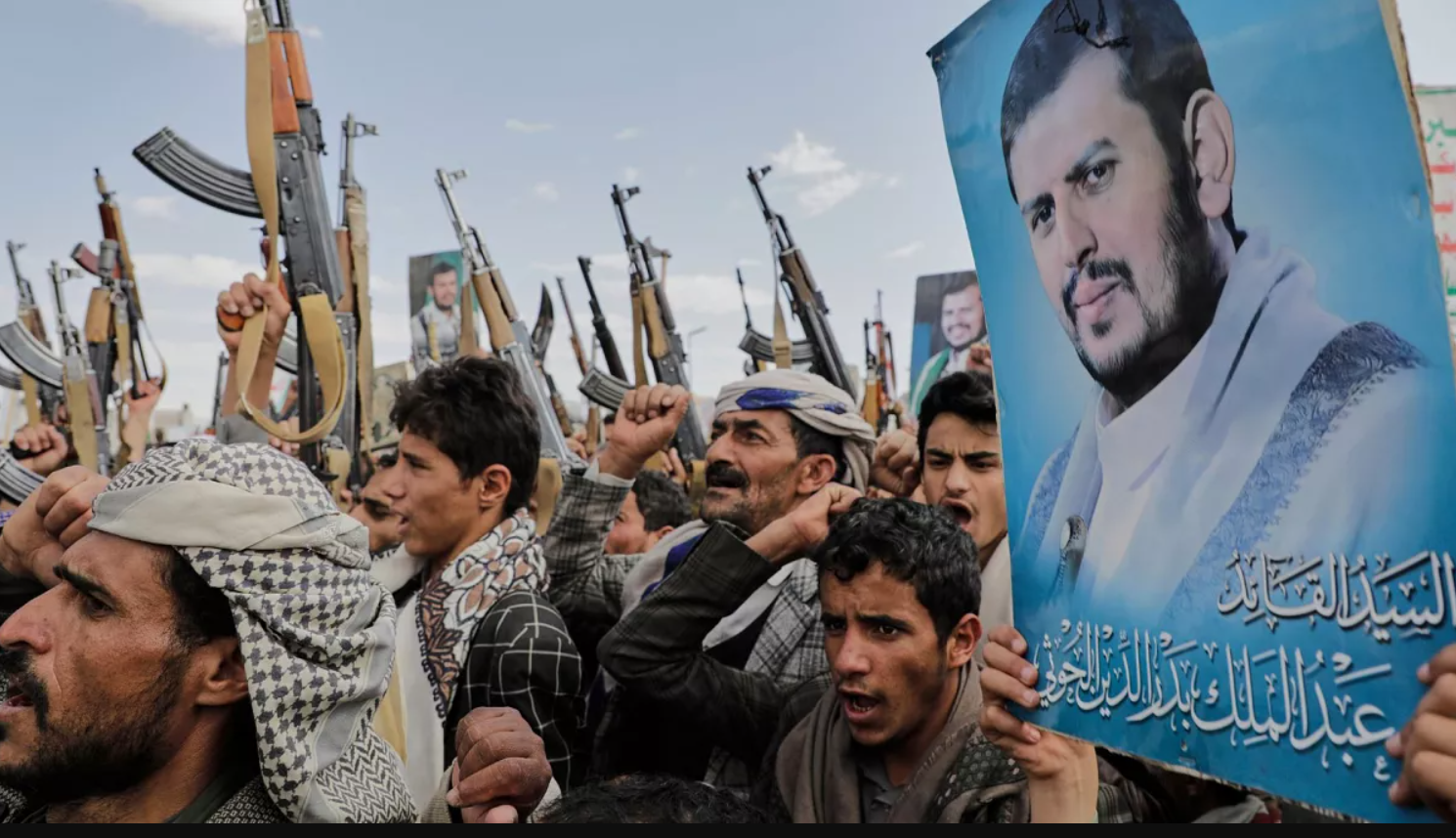
In contrast, over recent years, Sanaa has managed to transform from a predominantly land-based, insurgent, and dependent actor into one capable of fully leveraging its geopolitics to simultaneously influence three distinct areas: Saudi Arabia’s territorial security, energy infrastructure, and global maritime trade.
Yemen’s recent naval blockade against Saudi Arabia has decisively ended Riyadh’s era of military monopoly in this dossier. In the 2015 war, relying on air superiority, Western support, and the Arab coalition, Saudi Arabia sought to capture Sanaa and establish a compliant order on its southern borders. Today, however, the core of power in Sanaa possesses the capability to simultaneously threaten those southern borders, oil facilities, airports, and the Bab el-Mandeb Strait, elevating Yemen from a “Saudi problem” to an “influential actor in regional energy security.”
In the 2015 war, Saudi Arabia’s strategy rested on the assumption that air supremacy, financial resources, Western backing, and the Arab coalition could alter the balance of power in Yemen in a relatively short period and force Sanaa to retreat. This assumption did not materialize. Not only was Ansar Allah not eliminated from the power structure, but the coalition of opposition forces—plagued by Saudi-Emirati rivalry, the fragmentation of southern forces, and the absence of a cohesive politico-military alternative—failed to create a sustainable substitute for the incumbent power in Sanaa.
The 2022 ceasefire further cemented this reality: the survival of Sanaa’s authority transitioned from a temporary wartime state to a definitive political-security reality. Consequently, Riyadh shifted from a strategy of “military defeat” toward “containment, stabilizing the south, and political management of the crisis”—though without entirely abandoning the goal of limiting Sanaa’s power.
Recent developments indicate that this containment model has also faced serious limitations. If Saudi Arabia resorts to direct military pressure once again in response to Yemen’s expanding regional ties and shifts in the security environment, it will face an actor that no longer merely defends its borders, but is capable of transferring the costs of war deep into Saudi economic and energy infrastructure.
From this perspective, the central issue is no longer whether Saudi Arabia has the military capacity to strike Yemen; the core question is whether it can withstand the strategic costs stemming from Yemen’s reciprocal response.
Reasons for Saudi Arabia’s Strategy Shift: Internal Divides and Strategic Failure
Saudi Arabia’s intervention in the Yemen crisis in 2015 was built on a relatively clear logic: Saudi aerial and financial superiority, coupled with Western support and the capacity of allied forces in Yemen, should have enabled the restoration of the balance of power in Riyadh’s favor.
But the outcome defied this calculus.
The protracted war not only failed to eliminate Ansar Allah but triggered three structural shifts:
- An increase in Sanaa’s military and organizational capacity;
- The weakening of cohesion within the anti-Ansar Allah camp;
- An increase in both direct and indirect costs of intervention for Saudi Arabia.
The rivalry between Saudi Arabia and the UAE, disputes over the future of southern Yemen, and the rift among anti-Ansar Allah forces practically undermined the feasibility of creating an alternative center of power. As a result, Riyadh faced the very problem it had initially set out to resolve: the presence of an independent Yemeni power center in Sanaa capable of resisting external military pressure.
Therefore, the 2022 ceasefire was not merely a pause in the war but effectively meant a Saudi defeat. From a strategic viewpoint, this ceasefire was the juncture where a new reality was established: reverting the status of Yemen to pre-2015 conditions is no longer possible.
The New Turning Point: The Gaza War or the War with Iran?
The significance of the geopolitical shift in the Arabian Peninsula and Yemen becomes even more apparent when analyzing the Yemen crisis within the broader regional security environment following the onset of the Gaza war, and subsequently, the war with Iran. Since the Gaza war, Yemen has practically emerged from an internal crisis and entered a network of regional conflicts. Furthermore, direct U.S. strikes on Yemen in early 2025, followed by the American withdrawal from the conflict, heightened the strategic value of Sanaa’s geographic positioning.
While Yemen entered the Gaza war in 2024 and was once dragged into a war with the U.S. in early 2025, Riyadh practically did not deeply engage in the Yemeni confrontation. Throughout 2024, despite news indicating Saudi cooperation in U.S. strikes against Yemen, Riyadh attempted to avoid presenting itself as involved in the Yemen war.
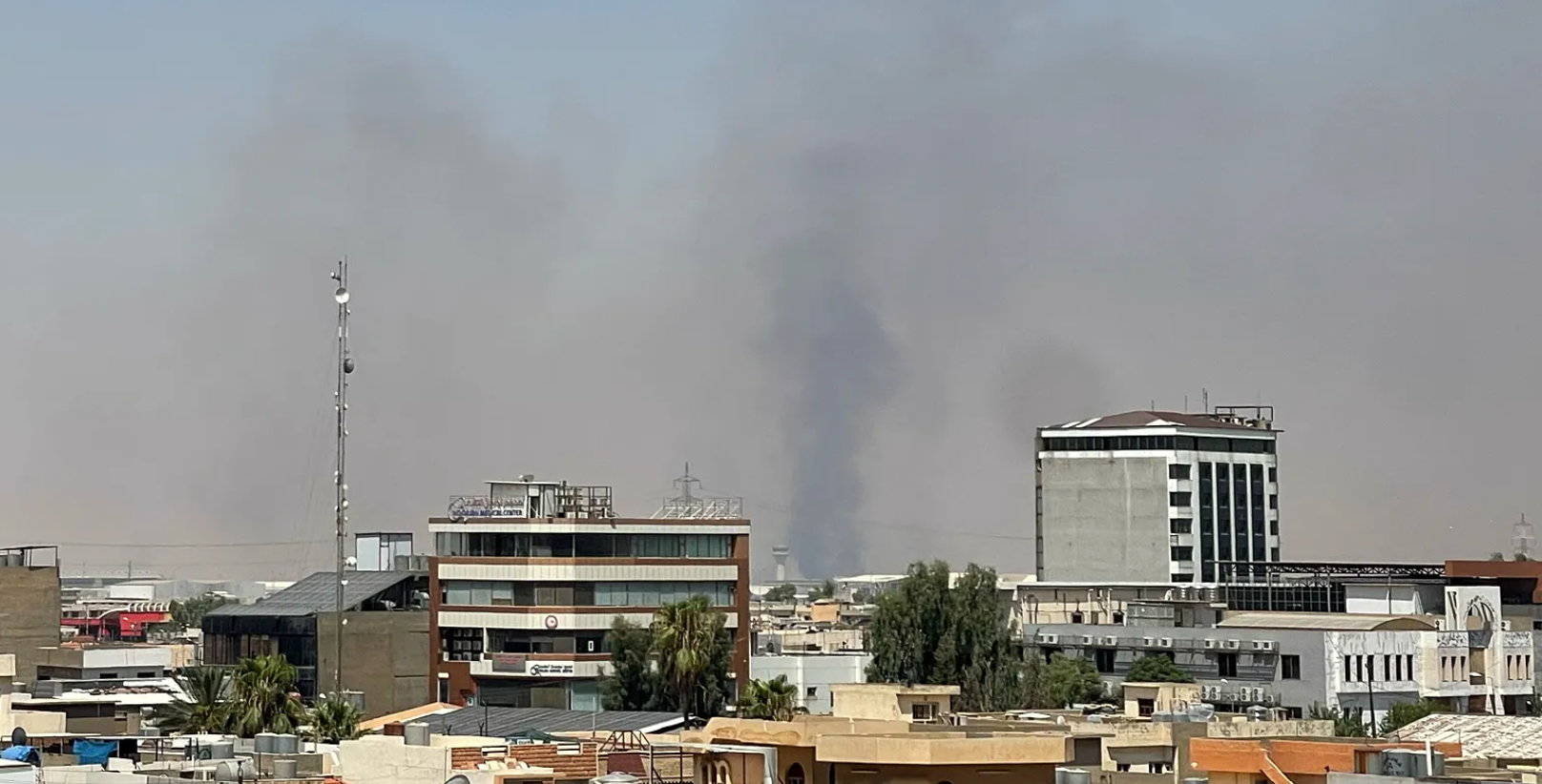
However, shortly after the 40-day U.S. war against Iran and simultaneously with the U.S.-Iran ceasefire on June 13, 2026, Saudi Arabia proceeded to bomb Sanaa airport. This strike was explicitly aimed at preventing the landing of an Iranian aircraft and thus effectively maintaining the aerial blockade on Yemen. In retaliation, Ansar Allah launched a missile at Abha airport (the first strike on Saudi soil since 2022) and, by announcing a naval blockade on Riyadh-linked vessels and targeting oil tankers, Jizan, Yanbu, and the East-West pipeline, Yemen demonstrated that it harbors no concerns over escalating tensions with Saudi Arabia.
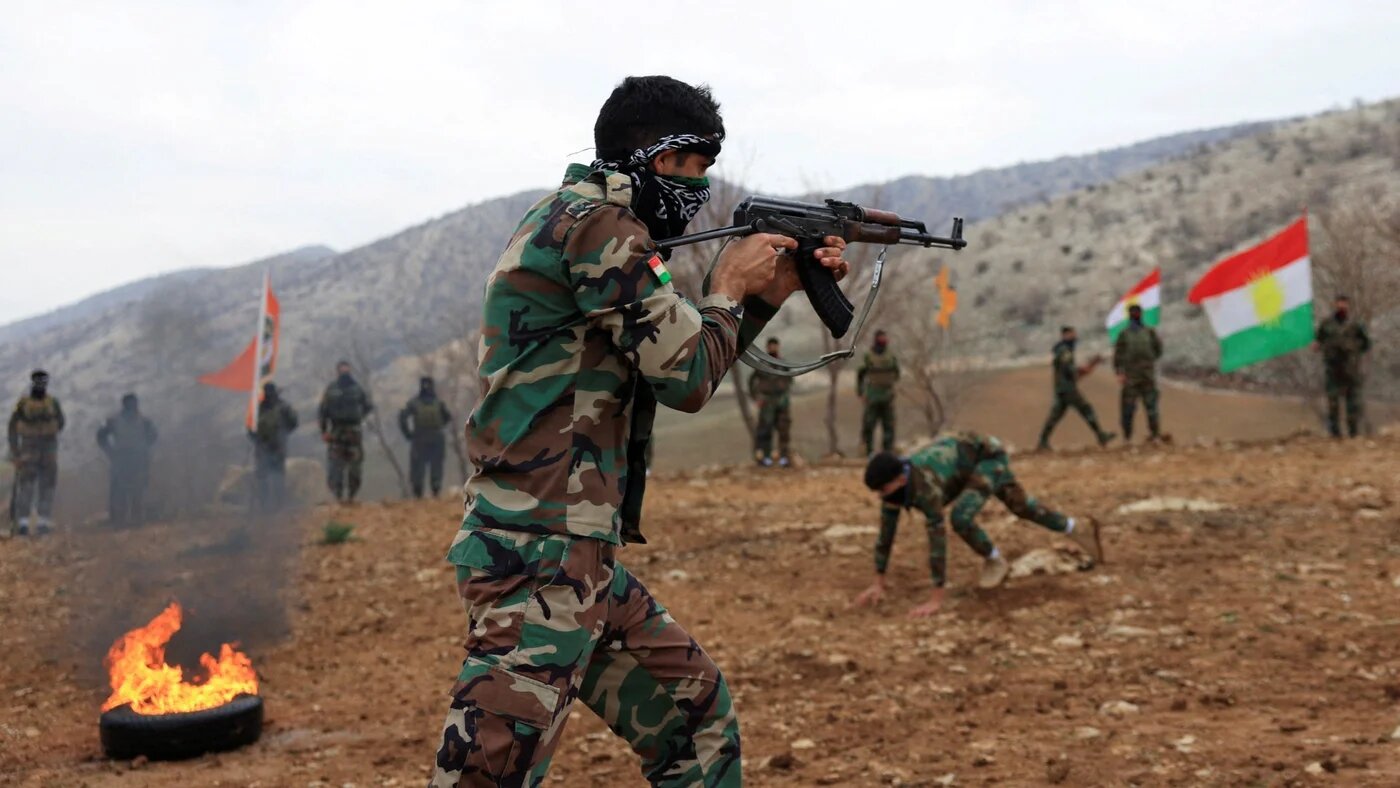
Nonetheless, Saudi Arabia’s collective behavior—ranging from organizing a naval coalition to rearming anti-Ansar Allah rebel forces and possibly terrorist mercenaries—suggests that Riyadh is preparing for a new round of war against Sanaa. Yet, this conflict is no longer purely a facet of the historical Riyadh-Sanaa dispute; it is now part of the U.S.-Arab-Zionist axis’s war against Iran and the Axis of Resistance.
Yemen’s Strategic Transformation
While a noticeable change is evident in Saudi strategy, a significantly more pronounced shift can be observed in Yemen’s strategy toward Riyadh: transitioning from pinpoint threats to a synthesis of aerial, naval, and energy threats; instilling uncertainty in shipping; and linking the security of Bab el-Mandeb to Saudi behavior. Although there is a deep divide in the military asset inventories of Saudi Arabia and Yemen, Sanaa efficiently leverages its geopolitical capabilities.
The Strait of Hormuz crisis has compelled Saudi Arabia to divert a greater share of its exports through the East-West pipeline and the port of Yanbu. Consequently, the importance of Bab el-Mandeb has become immensely more critical than before. Yemeni attacks on Yanbu or Saudi tankers in the Red Sea directly threaten Saudi Arabia’s alternative route for bypassing Hormuz. The decline in shipping traffic following recent attacks further proved that Sanaa, even without completely shutting the strait, can elevate the costs of insurance, transit, and oil exports.
Yemen’s power lies in merging geography with a low-cost strike capability. To protect every refinery, port, airport, and pipeline, Riyadh requires highly expensive defense systems and permanent coverage, whereas Sanaa can employ highly limited and inexpensive measures to raise the cost of protection and retaliation for the Saudis or to effortlessly disrupt their current policies.
Future Prospects
It appears that Saudi Arabia’s airstrikes on Hodeidah and the mobilization of Riyadh-aligned forces in Marib and Al Jawf could serve as a prelude to attempts at restarting the war in Yemen. In such a scenario, Yemen’s response would likely focus on energy infrastructure, southern airports, and commercial shipping. Such a conflict, even if militarily manageable for Saudi Arabia, would bring about heavy economic and political costs for the country.
Meanwhile, the possibility of coordination between the U.S. and Saudi Arabia in attacks on Yemen remains; however, in the event of an escalating conflict, Bab el-Mandeb and the Strait of Hormuz could evolve into two complementary levers of pressure on the U.S. and its allies. Under such circumstances, Ansar Allah could push its role well beyond a Yemeni power, effectively becoming an operational wing of a broader regional conflict.
Overall, the experience of the last two years has demonstrated that Sanaa can leverage its current position of power to end foreign intervention, lift economic restrictions, and secure an official status within the future regional order.
Saudi Arabia must accept that Yemen is no longer its security backyard and has now evolved into an enduring actor. Recent tensions serve more to affirm that the initiative now lies heavily in the hands of the Yemenis, while the U.S. and its regional allies have yet to secure any strategic results and arguably lack any clear strategic horizon altogether.