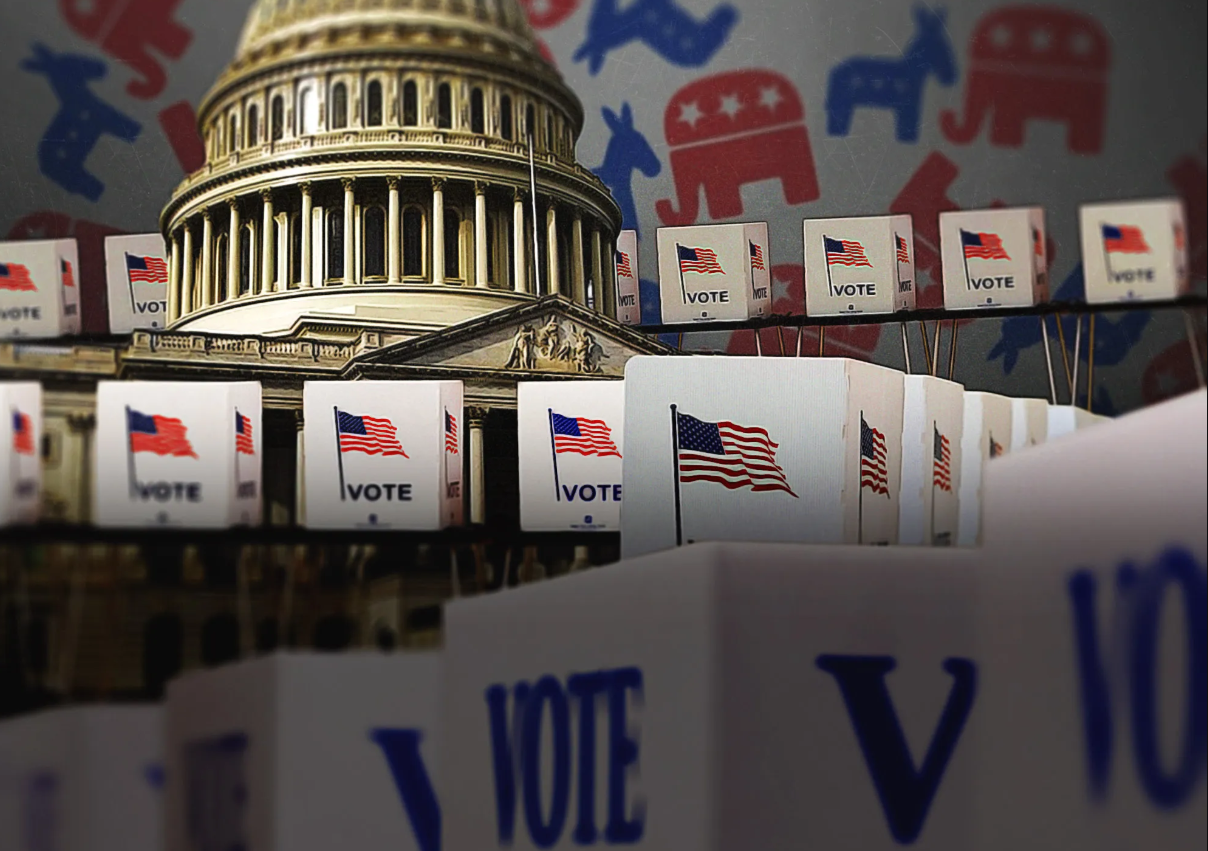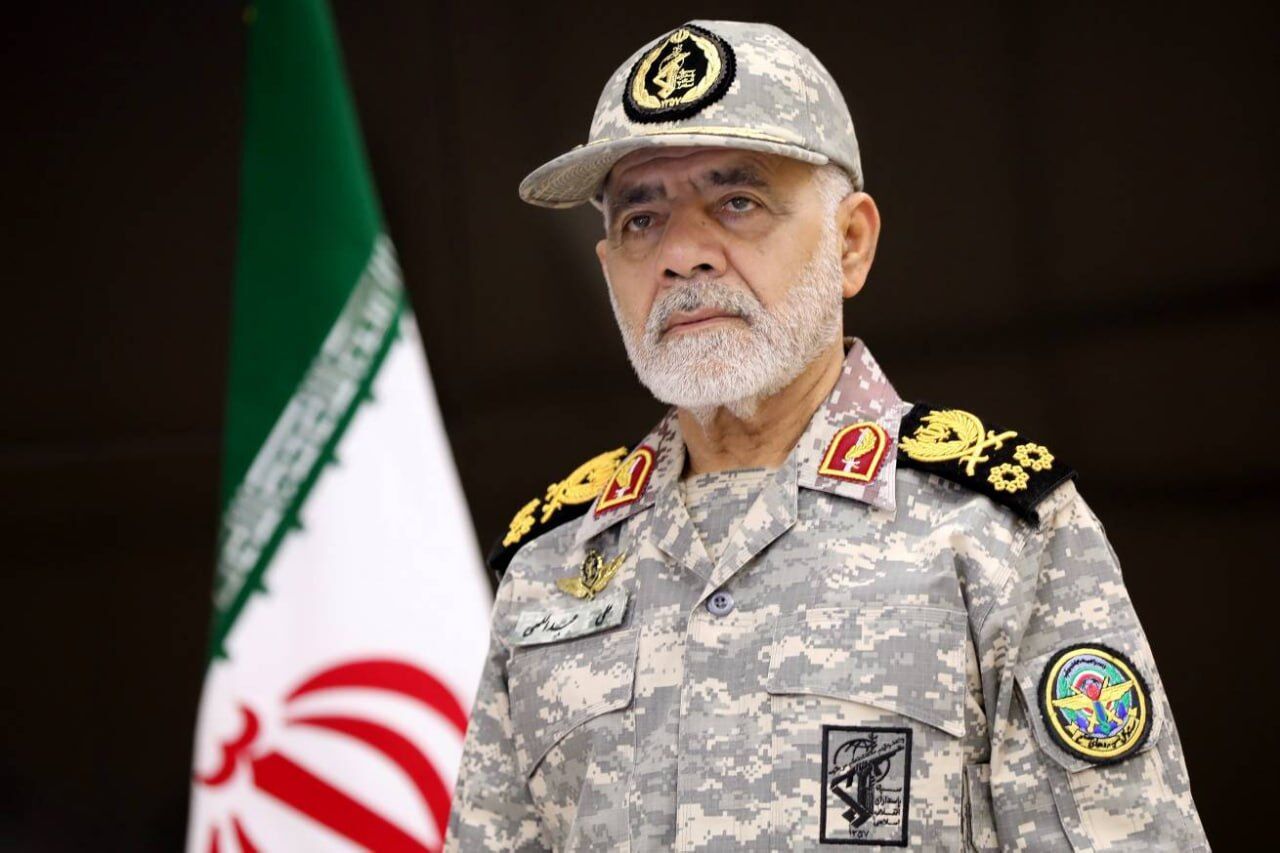

The defeat of the aggressors, the United States and Israel, on the battlefield was transformed into a political defeat. From the hostage crisis and Jimmy Carter’s defeat to the war with Iran and the Republicans’ resounding defeat in the 2026 midterm elections, American political history has repeatedly demonstrated that developments involving Iran can transcend the boundaries of foreign policy and become one of the factors shaping the balance of power in Washington. The recent elections once again demonstrated that Iran can reshape regional and global trends and emerge as an actor shaping the international order.
Iran View 24 – Politics
The November 3, 2026, U.S. midterm congressional elections, in which Democrats secured majorities in both chambers of Congress, have once again brought the issue of Iran to the forefront of analyses of American domestic and foreign policy. At the same time, they have sent a message to the entire world that Iran has assumed an influential role in reshaping regional and international developments.
1. Why Did Iran Alter the Domestic Political Balance in the United States?
The congressional midterm elections were held under circumstances in which the U.S.-Israeli war of aggression against Iran, its economic repercussions, and rising energy prices had become influential issues in the American political landscape.
Election results and voter polls also indicate that dissatisfaction with the war against Iran, alongside inflation, the cost of living, and concerns over corruption, played a role in shaping the electoral outcome.
Following the announcement of the results, not only did global public opinion, but also an overwhelming majority of American social media users, identify the war against Iran as a decisive factor behind the vote for Democrats and the Republican Party’s defeat in the elections.
Following the announcement of the initial election results, numerous messages circulated on social media stating that:
Iran won the U.S. elections.
Iran changed the American regime.
This is not the first time that Iran has evolved from a diplomatic and security crisis into not only a central issue in electoral debates but also a determining factor in American domestic politics.
In fact, at various points in history, relations between Iran and the United States have affected presidential credibility, competition between Republicans and Democrats, public perceptions of national security, and even the foreign and domestic policy priorities of American voters.
2. The 1980 Election: Iran and Jimmy Carter’s Defeat
The 1980 presidential election and the contest between incumbent U.S. President Jimmy Carter and Republican nominee Ronald Reagan provide the clearest pre-2026 example of how a crisis involving Iran could directly influence the electoral fate of an American president.
The election took place at a time when relations between Tehran and Washington had entered an entirely new phase following the victory of the Islamic Revolution in Iran. The admission of Mohammad Reza Shah Pahlavi to the United States for medical treatment in October 1979 triggered an escalation of public anger among the Iranian revolutionary population. On November 4 of that year, a group of Iranian students seized the U.S. Embassy in Tehran and took 52 Americans hostage.
The hostage crisis lasted 444 days and became one of the most significant foreign policy challenges facing the Carter administration. The U.S. government sought to secure the hostages’ release through a combination of diplomatic, economic, and military pressure, without meeting Iran’s demands. However, these measures did not alter Tehran’s position. The military operation to rescue the hostages in April 1980 also ended in a disastrous failure, resulting in the deaths of eight American servicemen in the Tabas Desert.
Under these circumstances, the Iran issue became a central theme in the American presidential campaign. Republicans accused Carter of being incapable of managing the crisis and of undermining America’s international standing. For American voters, the hostage crisis was more than a diplomatic dispute; images of the American hostages and the prolonged crisis had become symbols of America’s inability to protect its citizens and national interests.
Ultimately, Jimmy Carter lost the November 1980 election to Reagan by a substantial margin, and the U.S. government was compelled to accept Iran’s terms, leading to the release of the hostages on January 20, 1981, coinciding with Reagan’s presidential inauguration. Iran, however, would later impose significant political costs on Ronald Reagan as well.
In 1985 and 1986, the Reagan administration was accused of secretly transferring arms to Iran in a scandal that became known as the Iran-Contra affair. Reagan was accused of selling weapons to Iran despite the official arms embargo and the overt hostility between the two countries. Part of the proceeds from these transactions was also illegally diverted to support Contra forces in Nicaragua, which were fighting against that country’s Sandinista government. The disclosure of the affair in 1986 became one of the biggest political scandals of the Reagan administration.
3. The 2026 Midterm Elections: Iran’s Role in Changing the U.S. Electoral Outcome
The November 3, 2026, midterm elections should be regarded as one of the most significant turning points in Iran’s influence on American domestic politics and elections. The difference this time, however, was that the Iran issue had evolved from an important foreign policy matter into an issue directly affecting the everyday lives of ordinary Americans.
On February 28, 2026, the Trump administration, alongside Israel, launched military attacks against Iran in an act of aggression. The consequences of the war extended far beyond the military and security domains. With Iran’s closure of the Strait of Hormuz, the conflict spilled over into the economy, energy markets, the cost of living, and America’s international relations.
One of the most significant findings of pre-election polls in 2026 concerns the connection American voters draw between the U.S. war against Iran and their own economic circumstances. Analyses published on the results of the U.S. midterm elections have also identified the war against Iran and rising fuel prices as contributing factors in the decline of support for Republicans.
4. Iran’s Perspective on the Changing Composition of the U.S. Congress
From Tehran’s perspective, the Democrats’ return to a congressional majority does not, in and of itself, signify an immediate change in U.S. foreign policy toward Iran. As the Supreme Leader of Iran stated in his message marking the anniversary of the seizure of the U.S. Embassy, which coincided with the American midterm elections and is observed as the Day of Struggle Against Global Arrogance:
If there are still those who harbor even the slightest hope that changes in behavior or shifts in party and factional alignments within the system of domination will occur, or who imagine that by granting concessions to the United States they can dissuade it from its hostility toward the Iranian nation, they are gravely mistaken.
Under the American political system, the president enjoys extensive powers in the realm of foreign policy and as commander-in-chief of the armed forces. Congress, through its legislative, budgetary, and oversight powers, as well as its role in passing legislation, can also influence government decisions. More importantly, however, the history of U.S. policy toward Iran demonstrates that there is no fundamental difference between Republican and Democratic hostility toward Iran.
As Nancy Pelosi, former Democratic Speaker of the U.S. House of Representatives, admitted during remarks at the 2026 Munich Security Conference in Germany, the objective of sanctions against Iran is to starve the Iranian people, even in remote villages.
Therefore, the new Democratic majority may impose additional political and legal constraints on the Trump administration, certainly within the framework of competition between America’s two major parties. However, this does not necessarily mean an end to the war against Iran.
Nevertheless, many American analysts are also urging the Democratic Party to learn from the Republicans’ defeat and use this victory to rein in Trump and prevent the outbreak of another war. Otherwise, Democrats themselves will be the losers in the next election.
In any case, the outcome of the U.S. midterm elections can be interpreted as an indication of mounting domestic pressure against Washington’s interventionist policies and growing demands for a reassessment of the country’s security priorities, particularly the reduction of Israel’s influence over American policymaking. This was reflected in the expressions of satisfaction among many American social media users, who celebrated the Republicans’ defeat as a defeat for the pro-Israel lobby, AIPAC, in the U.S. elections.
America’s return to its own affairs could mean a reduction in costly military interventions, a decrease in the escalation of tensions, and greater respect for the sovereignty and independence of countries across the region. Such a course could pave the way for greater stability and lasting security in West Asia, the Persian Gulf, and the world.