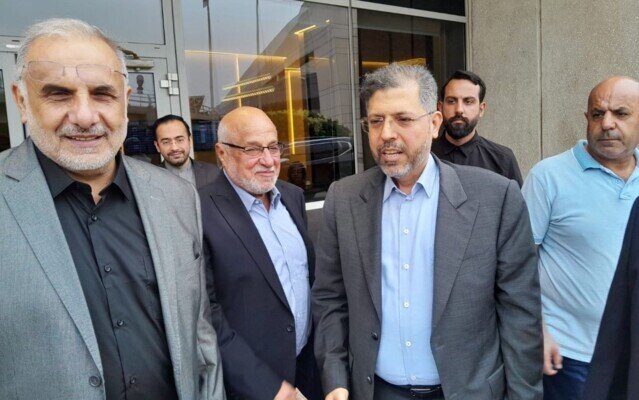
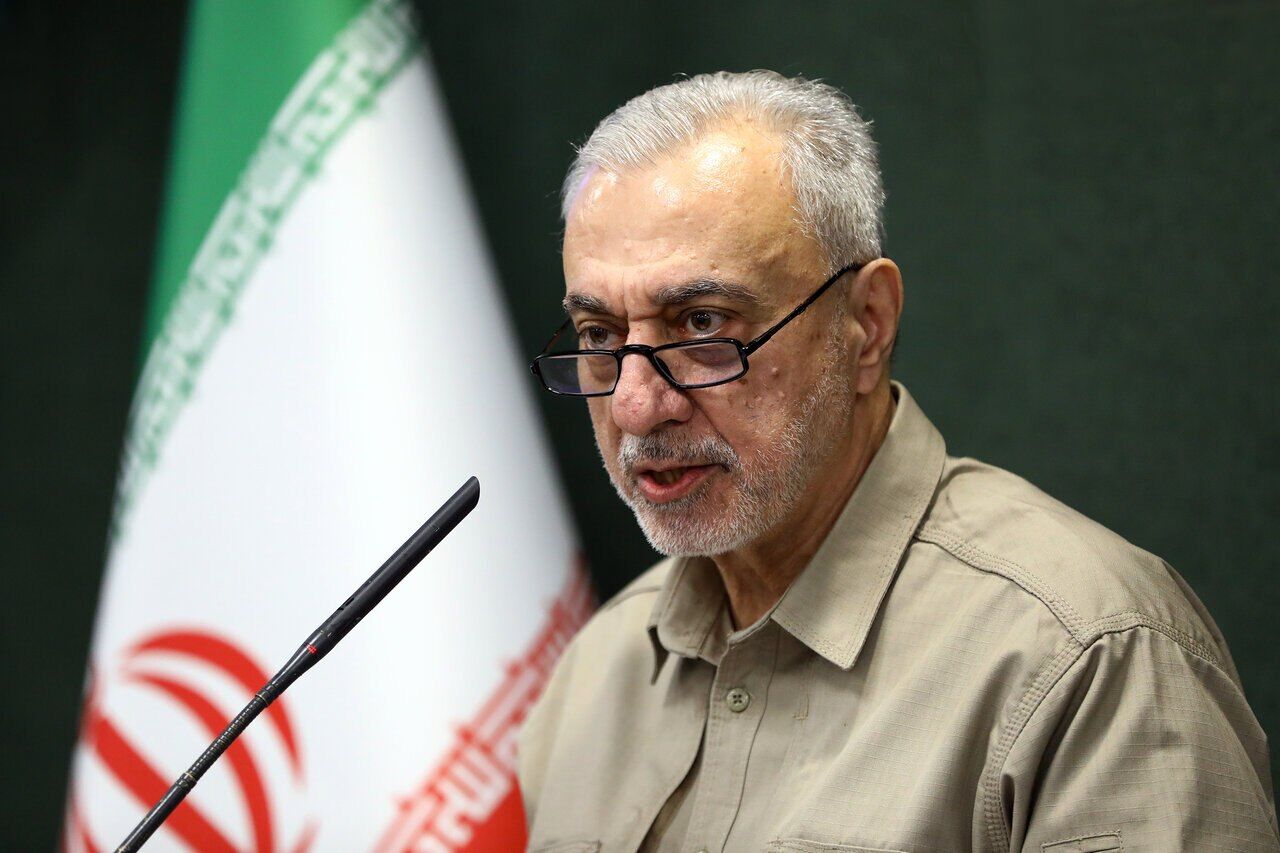
Iran’s defense minister-designate has emphasized the need to strengthen the country’s defense capabilities, identifying a major expansion in the production and supply of weapons required by the Armed Forces as one of the main pillars of his agenda.
Tehran-IranView24
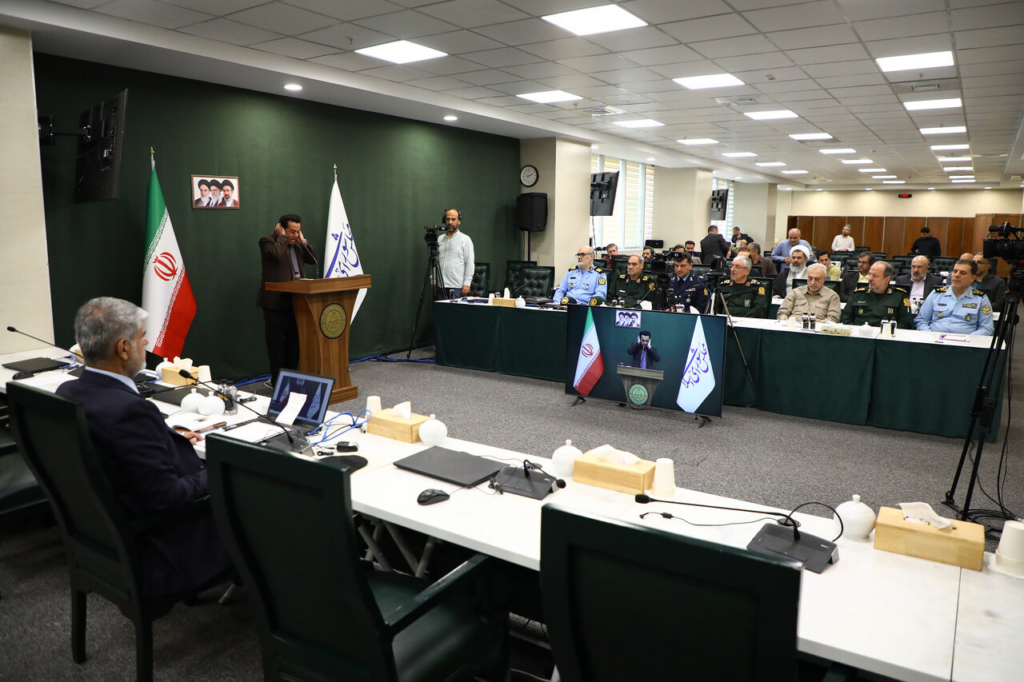
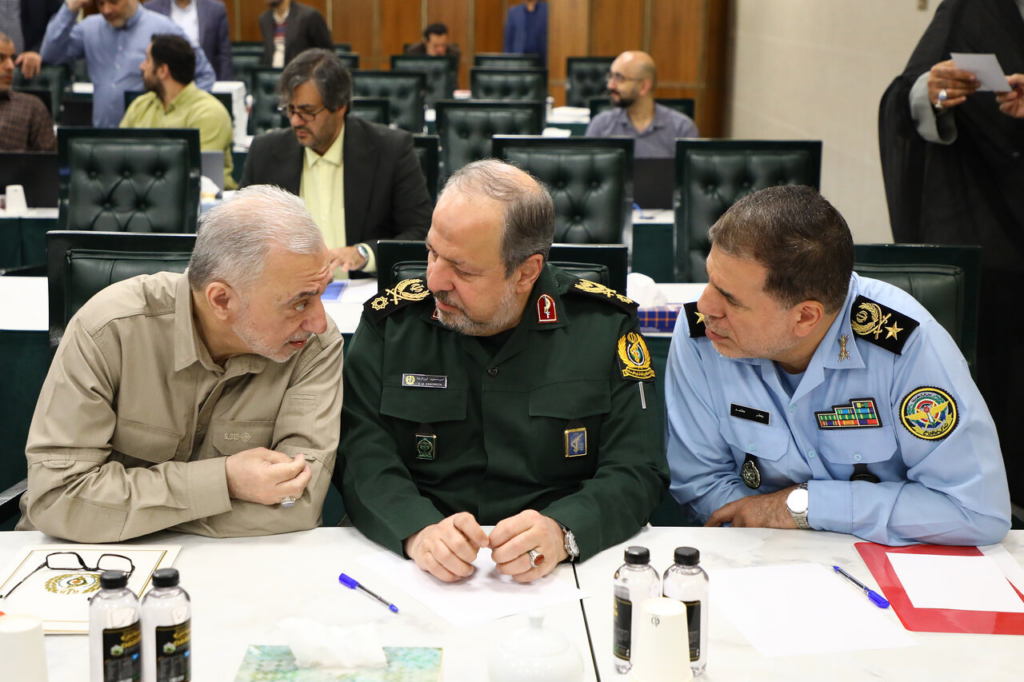
According to the Ministry of Defense, Mehrdad Akhlaqi announced his plans before the Iranian Parliament on Wednesday, October 14, 2026. His agenda includes six-month and 22-month implementation plans, a major increase in the production and supply of weapons required by the Armed Forces, the continuous upgrading of advanced equipment and intelligent systems, and particular attention to the livelihoods of military personnel, retirees, and war veterans.
Continuity in Defense Policy and New Implementation Plans
Outlining his plans for the Ministry of Defense and Armed Forces Logistics, Akhlaqi referred to the continuation of the path established during the tenure of the late Brigadier General Pilot Aziz Nasirzadeh.
He stated that previous plans would continue with revisions and adjustments to address emerging needs. In this context, six-month and 22-month implementation plans have been drawn up to advance the ministry’s objectives.
Emphasizing the need to strengthen the country’s defense capabilities, the defense minister-designate identified a major increase in the production and supply of weapons required by the Armed Forces as a central priority. He also stressed the importance of making maximum use of the country’s industrial, scientific, and technological capacities to meet defense requirements.
Akhlaqi Kitabchi further underscored the need for greater synergy between the capabilities and resources of the Armed Forces and the Ministry of Defense and Armed Forces Logistics. He described the effective use of existing resources, coordination among industrial and defense organizations, and improvements in the efficiency of procurement processes as essential to achieving the planned objectives.
Focus on Research, Advanced Weapons, and Emerging Technologies
Akhlaqi identified rapid, results-oriented, and problem-focused research as another priority, saying that national capabilities, the private sector, and knowledge-based companies could play an effective role in accelerating technological development, enhancing production capacity, and meeting the needs of the Armed Forces.
Referring to the need for continuous improvements in the country’s combat capabilities, he emphasized the development and modernization of advanced weapons and equipment, the expansion of intelligent systems, and greater attention to emerging domains of warfare.
He said that the redesign and restructuring of defense capabilities should proceed in line with technological developments and through continuous assessments of operational requirements.
The defense minister-designate also identified strengthening Iran’s missile capabilities in proportion to regional threat levels as one of the main components of his agenda. He emphasized preparedness to extend missile range, subject to approval by the chain of command.
Other priorities outlined by Akhlaqi included giving particular attention to air defense, developing ground combat capabilities, pursuing the development of a heavy multirole fighter aircraft, and strengthening cyber infrastructure.
Improving the Livelihoods of Military Personnel and Retirees
In another section of his agenda, the defense minister-designate addressed the need to improve the living conditions of Armed Forces personnel. He said he would pursue a substantial increase in their salaries and benefits through engagement and cooperation with the government.
Akhlaqi Kitabchi also identified addressing military personnel’s housing needs and paying particular attention to retirees and war veterans as priorities. He stressed the importance of strengthening support for the human resources of the country’s defense establishment.
Outlining his economic approach, he described reforming economic processes, placing greater emphasis on putting the Ministry of Defense’s assets to productive use, and making more efficient use of available resources as necessary steps toward improving productivity.
The defense minister-designate also stressed the need for decisive action against any practices that fall outside established and sound financial procedures. He said cooperation with the private sector should be based on clear rules, respect for mutual interests, and avoidance of conflicts with the sector’s lawful activities.
Reconstruction and Modernization Based on Defense Priorities
Akhlaqi Kitabchi identified the reconstruction and modernization of defense capabilities and infrastructure as another component of his agenda. He emphasized the need to consolidate commanders’ views, prioritize requirements, and allocate resources accordingly to implement planned projects.
According to the announced plans, the main pillars of Mehrdad Akhlaqi Kitabchi’s agenda for the Ministry of Defense will include strengthening weapons production and supply capabilities, developing advanced technologies, increasing synergy between defense and industrial sectors, reforming economic processes, and improving the living conditions of military personnel and retirees.