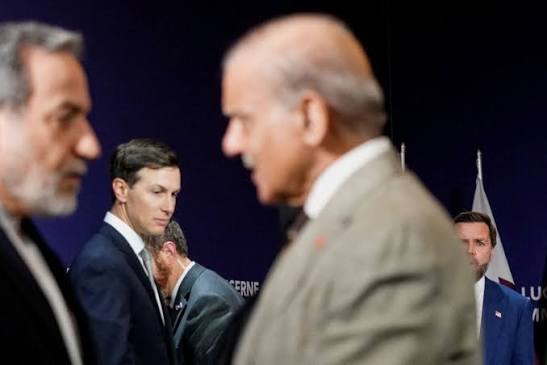
Despite a temporary walkout by the Iranian delegation and escalating rhetoric from Washington, the intensive negotiations in Bürgenstock have revealed signs of progress toward ending the conflict in Lebanon, unlocking frozen Iranian assets, and easing economic pressures.
Tehran- IranView 24
Just days after the signing of the Islamabad Memorandum of Understanding (MoU) between the Islamic Republic of Iran and the United States, the intensive negotiations in Bürgenstock, Switzerland, have emerged as the first serious test of both sides’ commitment to implementing their obligations. Facilitated jointly by Qatar and Pakistan, the talks unfolded in a tense atmosphere overshadowed by threatening remarks from U.S. President Donald Trump. Nevertheless, according to accounts provided by the Qatari, Pakistani, and Iranian delegations, the discussions ultimately produced a roadmap for moving into the final phase of negotiations and initiating the implementation of the understanding.
The Bürgenstock meeting can be seen as the bridge between a political arrangement aimed at ending hostilities and the operational phase of implementation. The success or failure of this stage will not only affect Tehran–Washington relations but could also influence regional security dynamics, Lebanon’s future trajectory, global energy stability, and the evolution of the Iranian nuclear issue.
Araghchi’s Reading of the Talks: Early Signs of Progress
Seyyed Abbas Araghchi, Iran’s Minister of Foreign Affairs, reported what he described as significant breakthroughs in the political, economic, and security spheres following the conclusion of the talks. Acknowledging the mediation efforts of Qatar and Pakistan, he stated that the sustained engagement of both countries had paved the way for meaningful progress toward ending the conflict in Lebanon.
Araghchi further announced the suspension of certain restrictions on Iran’s oil and petrochemical exports, the easing of selected maritime limitations, the partial release of frozen assets, and the launch of a comprehensive economic reconstruction and development program.
From Tehran’s perspective, these measures constitute the first tangible signs of the MoU’s economic provisions being implemented—provisions that Iran had consistently argued should be realized before entering negotiations on a final agreement.
Iran’s Foreign Minister also described the “Lebanon Conflict Prevention Coordination Center” as the first practical test of the new arrangements, portraying it as a mechanism designed to prevent renewed tensions and safeguard the fragile ceasefire on the Lebanese front.
Joint Qatari-Pakistani Statement: A 60-Day Roadmap
Following the conclusion of the talks, Qatar and Pakistan issued a joint statement announcing that the parties had reached a series of structural understandings aimed at sustaining the diplomatic process.
According to the statement, the first official session under the framework of the Islamabad MoU concluded in Bürgenstock with representatives of Iran, the United States, and the two mediator countries present. The parties agreed to establish a High-Level Political Committee tasked with overseeing implementation of the mediation framework.
Under this mechanism, specialized working groups will be established in three principal areas: the nuclear issue, sanctions, and monitoring and dispute-resolution mechanisms. These groups will be responsible for tracking implementation, identifying potential obstacles, and reporting their findings to the High-Level Committee.
Perhaps the most significant outcome highlighted in the statement was the agreement on a 60-day roadmap intended to create the conditions necessary for reaching a final agreement. The establishment of a direct communication channel between the parties, along with mechanisms to ensure freedom of navigation and the safe passage of commercial vessels through the Strait of Hormuz, was also cited among the meeting’s achievements.
Tehran’s Position: Implementation First, Final Agreement Later
While the mediating parties have emphasized progress, statements from Iranian officials suggest that Tehran continues to approach the process with caution.
Foreign Ministry Spokesperson Esmaeil Baghaei stressed that moving to negotiations on a final agreement remains contingent upon the implementation of several key provisions of the MoU. According to him, ending military operations across all fronts—including Lebanon—facilitating Iranian oil exports, releasing frozen assets, and establishing the necessary mechanisms to guarantee shipping security in the Strait of Hormuz are prerequisites for advancing to the next phase of dialogue.
Baghaei also emphasized that Tehran’s principal concern remains the possibility of non-compliance by the other side, as well as the continuation of destabilizing actions by the Israeli regime in the region. From Iran’s perspective, any future agreement will only be meaningful if effective mechanisms are established to monitor implementation and ensure accountability.
Trump’s Threats Cast a Shadow Over the Talks
One of the most consequential moments of the Bürgenstock negotiations was the Iranian delegation’s temporary withdrawal from the four-party session following the publication of threatening remarks by Donald Trump.
The U.S. President, commenting on developments surrounding the Strait of Hormuz and tensions linked to the situation in Lebanon, stated on Truth Social that Washington retained the capability to inflict severe costs on Iran if necessary. Tehran subsequently concluded that continuing the four-party session under those circumstances was not feasible.
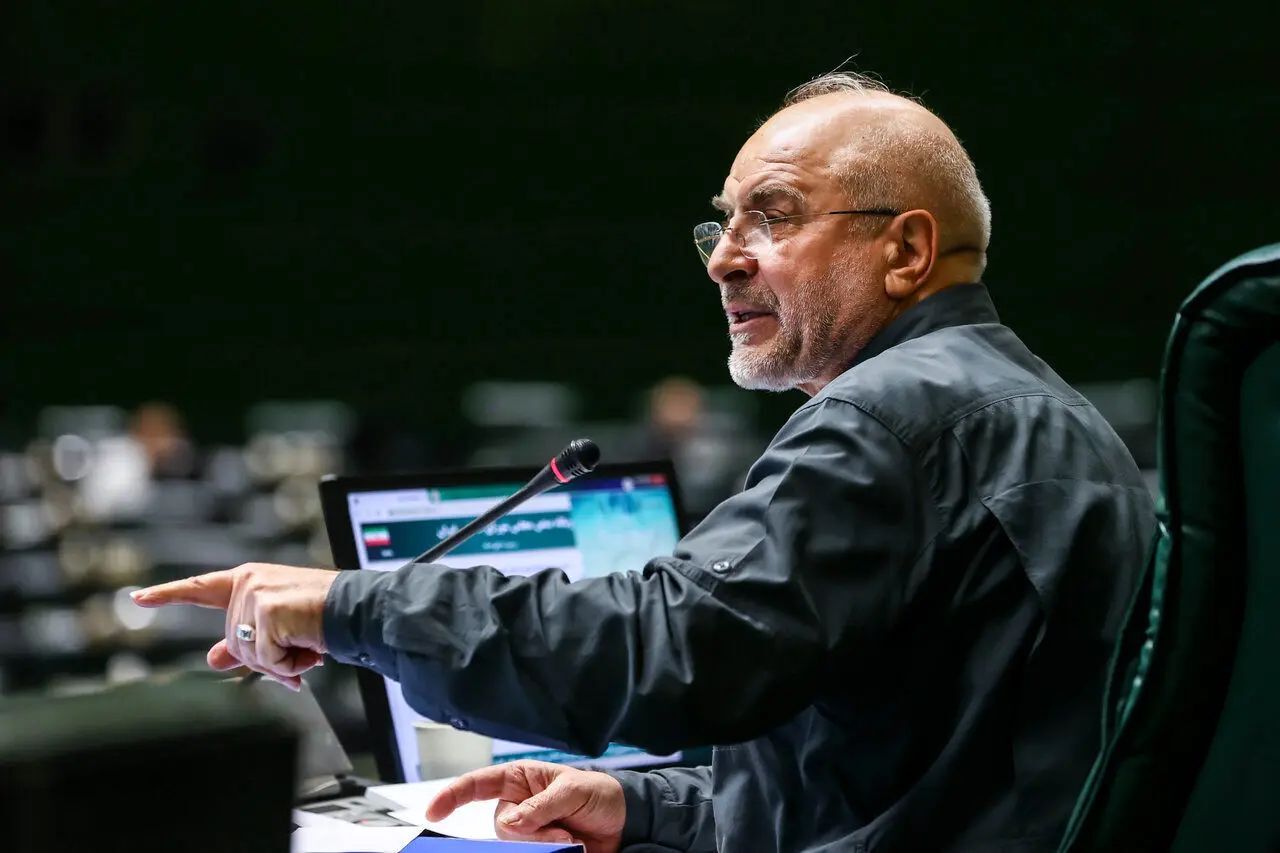
Mohammad-Bagher Ghalibaf, head of the Iranian delegation, responded by asserting that the Islamic Republic would not be intimidated by U.S. threats and that Iran’s armed forces remained fully prepared to respond to any hostile action.
Although mediation efforts by Qatar and Pakistan prevented a complete breakdown of the process and technical discussions continued, the episode once again underscored the profound mistrust separating the two sides and demonstrated how political tensions can quickly disrupt diplomatic momentum.
Four Decisive Issues
Beyond the political rhetoric, four core issues are likely to determine the future of the Iran–U.S. understanding.
First is the Lebanon file and the broader regional ceasefire. Iran maintains that an end to hostilities must encompass all fronts, and any violation of the ceasefire by the Israeli regime could place the entire process at risk.
Second is the Strait of Hormuz and global energy security. Agreements on conflict-prevention mechanisms and maritime security represent some of the negotiations’ most significant achievements. Their implications extend far beyond Iran and the United States and are of considerable importance to global energy markets.
Third is Iran’s nuclear issue. Although the current phase remains focused on implementing the MoU, the establishment of a dedicated nuclear working group suggests that this matter will soon emerge as a central pillar of the negotiations.
Fourth are economic and sanctions-related issues. The release of frozen assets, increased oil exports, and the easing of economic restrictions remain among Tehran’s principal demands, and progress in these areas will serve as one of Iran’s key benchmarks for assessing the success of the diplomatic process.
The Beginning of a Challenging Path
The Bürgenstock negotiations do not mark the end of a crisis but rather the beginning of a complex and multi-layered phase in Iran–U.S. relations. Unlike previous arrangements that focused primarily on political texts, the central challenge this time lies in implementation and verification.
While official statements point to encouraging progress, longstanding disagreements, mutual mistrust, destabilizing actions by the Israeli regime, and the sensitivity of key security issues continue to present formidable obstacles on the path toward a final agreement.
Bürgenstock demonstrated that both sides still possess sufficient political will to avoid returning to a cycle of confrontation. Yet the success of this process will ultimately be judged not by official statements but by the extent to which commitments are implemented in the weeks ahead. From this perspective, the next 60 days may represent the most critical period since the end of active hostilities—a window that could either guide the Middle East toward de-escalation and relative stability or push the region back toward confrontation and instability.