China has continued to seek solutions with Chinese characteristics to regional flashpoints under the principles of the Global Governance Initiative and President Xi Jinping’s diplomatic thought, offering what Beijing sees as a path toward lasting peace and stability across the Middle East, China’s ambassador to Iran said.
Tehran-IranView24
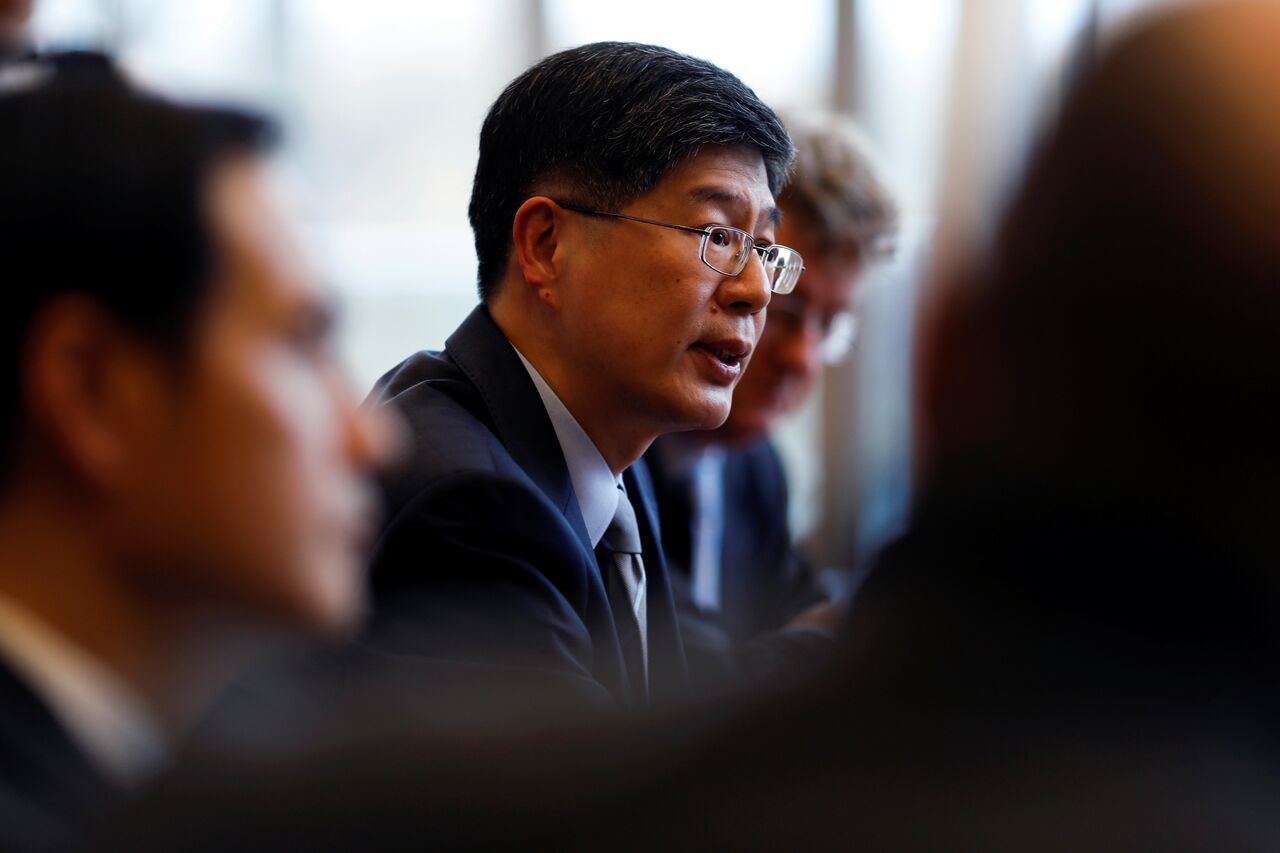
In an exclusive article provided to ISNA titled “Global Governance Initiative: From a Chinese solution to international practice,” Chinese Ambassador to Tehran Cong Peiwu wrote that President Xi Jinping formally proposed the Global Governance Initiative on Sept. 1, 2025, at the Shanghai Cooperation Organization summit in Tianjin, at a significant historical moment marking the 80th anniversary of the founding of the United Nations.
Xi called on countries to work together toward building a fairer and more reasonable global governance system, the ambassador wrote.
Over the past year, Cong said, the initiative has gained increasing recognition internationally, gradually moving from a Chinese proposal toward broader international practice and demonstrating what he described as considerable vitality, influence and appeal.
Building broad consensus around multilateralism
Cong wrote that the Global Governance Initiative is centered on five principles: adherence to sovereign equality, respect for international law, commitment to multilateralism, a people-centered approach and an emphasis on action.
He said the five principles are consistent with the purposes and principles of the UN Charter, reflect common expectations within the international community and give voice to the aspirations of many Global South countries.
As a result, he said, the initiative has quickly gained support from around 160 countries and international organizations.
Within the United Nations framework, a “Group of Friends of Global Governance” has gradually taken shape in New York, Geneva and Vienna, with more than 60 countries, including Iran, joining and actively participating, Cong wrote.
He said participants have reached broad consensus on issues including promoting the democratization of international relations, safeguarding the authority of the United Nations, narrowing the North-South divide and addressing global challenges.
The initiative has also been incorporated into joint statements issued by China and countries including Russia, France, Vietnam and Serbia, while its international recognition and acceptance continue to expand, he added.
Cong said the growing consensus around the initiative has coincided with the continued development and strengthening of mechanisms such as BRICS and the Shanghai Cooperation Organization, contributing to the rising influence of Global South countries.
Chinese approaches to regional security dilemmas
The ambassador wrote that global governance concerns not only international rules and development cooperation, but also peacekeeping and conflict resolution.
On regional flashpoints, he said, the Global Governance Initiative provides an important framework for advancing political solutions and strengthening peace and stability.
Against the backdrop of instability in the Middle East, Xi has put forward four proposals for safeguarding and strengthening peace and stability in the region, as well as four principles for advancing a settlement of the Palestinian issue, Cong wrote.
He said Xi also proposed four initiatives during his recent visit to Egypt aimed at promoting common security in the Middle East.
According to Cong, those proposals addressed four areas: stimulating internal drivers of development, advancing comprehensive governance, strengthening development foundations and improving international coordination.
Xi, he added, supported regional countries in exploring and establishing a new security framework for the Middle East.
The Chinese president has stressed that the people of Middle Eastern countries should retain the right to determine their own future, that convergence of interests among regional states should be strengthened and that the underlying causes of conflicts should be eliminated, Cong wrote.
“Guided by the core concepts of the Global Governance Initiative and President Xi Jinping’s thought on diplomacy, China has continued to explore solutions with Chinese characteristics to regional flashpoints through practical efforts to mediate, promote peace and encourage dialogue,” he said.
Cong added that Beijing seeks to address both the causes and consequences of regional problems through a systematic approach and thereby offer a Chinese solution for achieving lasting peace and stability across the Middle East.
Turning ideas into practical international mechanisms
Cong said the Global Governance Initiative is not merely intended to promote concepts and ideas, but also to provide guidance for action.
Over the past year, he wrote, China has sought to translate the initiative’s principles into concrete mechanisms, platforms for cooperation and governance practices that can benefit countries around the world.
Through those efforts, he said, China has continued to provide what Beijing describes as “public goods” for the international community and practical momentum for improving global governance.
Cong pointed to the launch of the International Organization for Mediation, saying it had successfully resolved its first international maritime dispute.
He said the organization had filled a gap in international mediation mechanisms and provided the international community with a new institutional option for the peaceful settlement of disputes.
He also referred to the establishment of the Global Data Organization in Beijing, which he said has brought together more than 200 members from over 40 countries and created a new international platform for deepening cooperation in data and improving global data governance.
China has also proposed establishing a Global Organization for Artificial Intelligence Cooperation, with 38 countries joining as founding members, Cong wrote.
He said those countries are working together to make global AI governance fairer and more rational and to guide artificial intelligence toward development that is beneficial, inclusive and accessible to all.
Promoting an equal and orderly multipolar world
Cong wrote that in the year since the Global Governance Initiative was proposed, China’s thinking on the future direction of global governance has continued to evolve.
At this year’s Shanghai Cooperation Organization summit in Bishkek, Xi addressed the role of the United Nations and the emergence of a multipolar world, explicitly stating that China supports an equal and orderly multipolar international system, Cong said.
He described this as consistent with the direction advocated by the Global Governance Initiative.
Addressing the question of what kind of multipolar world should emerge and how countries should participate in shaping it, Xi outlined four key dimensions, the ambassador wrote.
According to Cong, Xi stressed that sovereign equality and mutual respect are fundamental principles; balance, order and adherence to the rule of law are essential requirements; multilateralism, dialogue and consultation are key pathways; and mutual benefit, win-win cooperation and inclusiveness should guide development.
Cong said these concepts have further enriched the Global Governance Initiative and provided new momentum for advancing multipolarity, improving global governance and building what China calls a community with a shared future for mankind.
“Global governance concerns the common and long-term interests of people around the world and represents a major and far-reaching endeavor,” Cong wrote.
He said the initiative has, over the past year, increasingly developed into a dynamic international practice characterized by deeper participation from different parties and tangible outcomes.
“At this new starting point, China is willing to work with all parties, uphold the principles of consultation and joint participation, actively promote the building of a fairer and more equitable global governance system, and work together toward a brighter future for the common destiny and progress of human civilization,” the ambassador concluded.