Estimates released by U.S. institutions indicate that the direct military cost of the United States’ war against Iran had reached approximately $47.1 billion by mid-October 2026. In addition to the extensive use of ammunition and the loss of military equipment, this figure points to growing pressure on the federal budget, rising energy costs, and the depletion of America’s strategic weapons stockpiles. However, the actual cost of the war extends far beyond the figures recorded in the military budget, and its economic and strategic consequences could persist for years.
Iran View24 – World
The U.S. war against Iran has become a serious economic and budgetary challenge for Washington, in addition to its military and security implications. According to reports published in late October 2026, U.S. Central Command (CENTCOM) estimated the direct cost of the war at approximately $47.1 billion as of October 16.
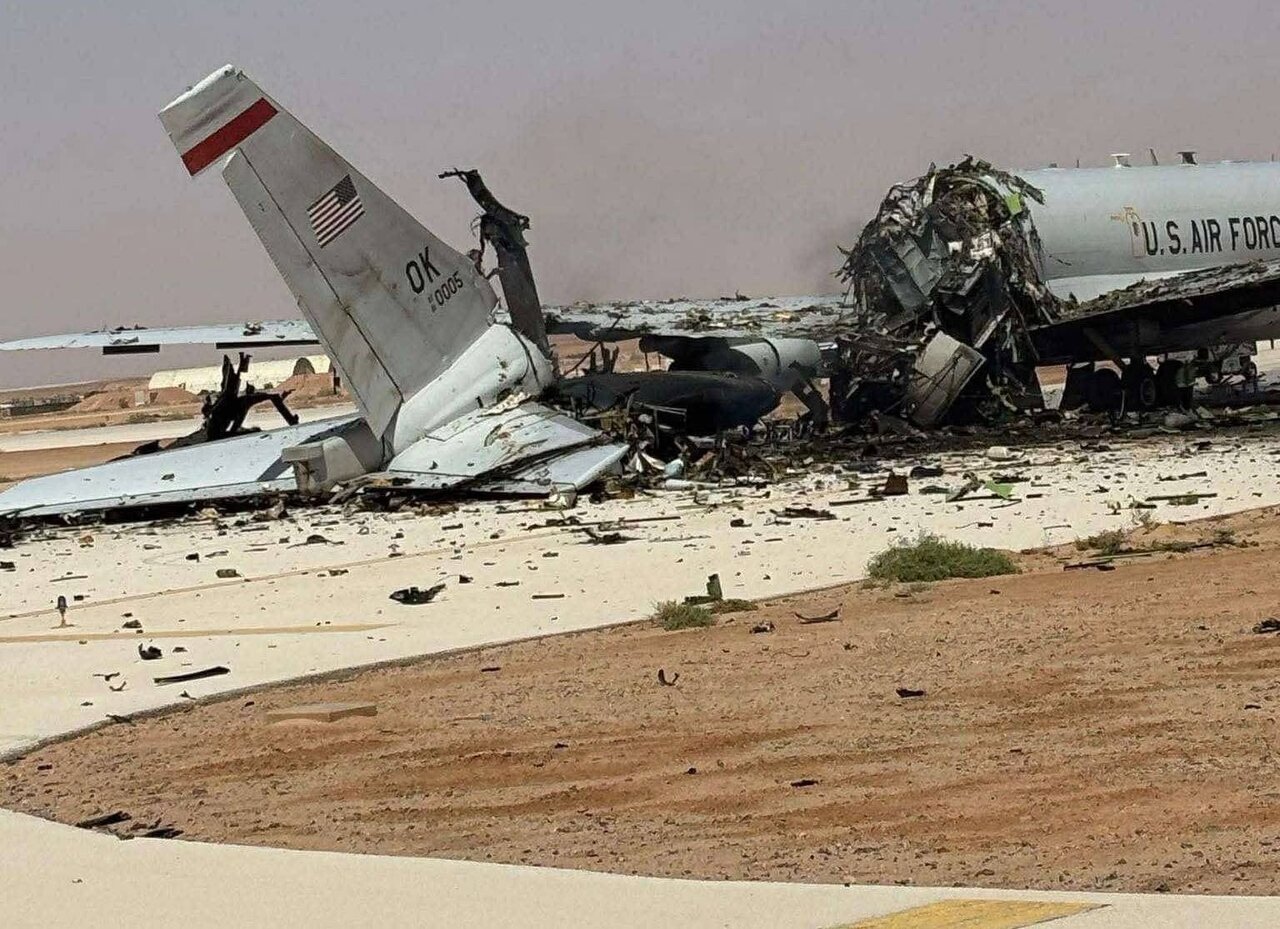
According to this estimate, approximately $29 billion of the costs were attributable to munitions consumption and replacement, $6.1 billion to lost equipment and weapons, and around $11.9 billion to military operations, logistical support, and troop deployments. Munitions alone therefore account for more than 60 percent of the war’s direct costs.
Reports published by CBS News and The Washington Post indicate that this figure does not yet reflect the full cost of the war. Damage to U.S. military bases in the region, infrastructure reconstruction, the long-term medical costs of treating military personnel, and the war’s broader economic and social consequences have not been fully included in these estimates.
The War’s Impact on the U.S. Economy and Household Finances
One of the war’s most significant consequences has been the transfer of part of its costs to the U.S. domestic economy and American households. Disruptions to global energy markets and oil transportation routes, particularly the Strait of Hormuz, have driven up fuel, transportation, and production costs.
According to an Associated Press report in October 2026, gasoline prices in the United States had reached approximately $4.33 per gallon, representing an increase of around 45 percent compared with pre-war levels. Diesel prices were also reported to be approximately 68 percent higher than before the war. These increases have gradually affected the prices of goods and services and reduced household purchasing power.
The Congressional Budget Office (CBO), in its September 15, 2026 report, also warned of the war’s inflationary consequences. It projected that inflation in the Personal Consumption Expenditures (PCE) price index in the first quarter of 2027 would be approximately 0.5 percentage points higher than its previous estimate.
Erosion of Military Stockpiles: A Cost Beyond Money
Despite the significance of the financial costs, one of the most concerning consequences of the war for Washington has been the depletion of weapons stockpiles and interceptor missiles. A CBO report indicates that, during operations related to the war, the United States used a substantial portion of its stockpiles of certain missile defense systems. Replenishing some of these weapons could take at least five years.
This could undermine the U.S. military’s ability to manage potential crises in other regions, particularly East Asia and the strategic competition with China. In other words, part of the cost of the war in the Middle East is reflected in a reduced U.S. military readiness capacity on other strategic fronts.
A Prolonged War: Billions of Dollars in Additional Costs
CBO estimates indicate that continuing the conflict at a low level of intensity could cost the U.S. Department of Defense approximately $2 billion per month, while intensified operations could raise the monthly cost to $3 billion or more. On this basis, a further six months of war could generate between $12 billion and $18 billion in additional direct costs.
Overall, the significance of the war for the United States cannot be measured solely by the payment of $47 billion in military expenses. Growing inflationary pressures, the need for additional funding, the depletion of weapons stockpiles, and reduced strategic flexibility represent even more consequential dimensions of the conflict’s costs.