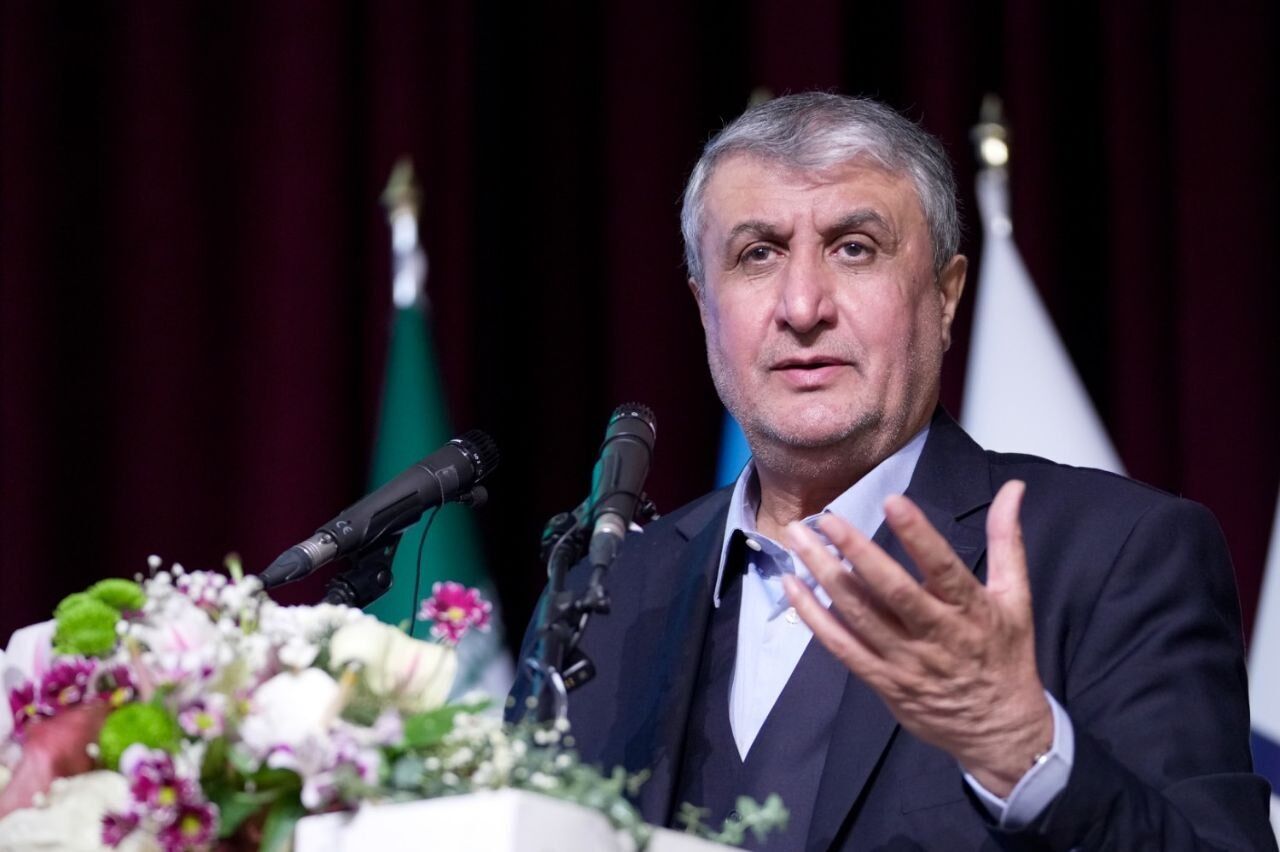
Mehrdad Akhlaqi is a veteran Iranian manager in the country’s defense and aerospace industries and has been proposed as a candidate to serve as Minister of Defense and Armed Forces Logistics.
With a career spanning Iran’s specialized defense and aerospace sector, Akhlaqi has held senior managerial positions within organizations associated with Iran’s defense-industrial infrastructure. His professional background has been particularly linked to the Aerospace Industries Organization (AIO), an entity operating under Iran’s Ministry of Defense.
Tehran-IranView24
In 2014, Mehrdad Akhlaqi was appointed Chief Executive Officer of the Aerospace Industries Organization by then-Defense Minister Hossein Dehghan.
At the time of his appointment, officials highlighted his extensive managerial experience within the aerospace organization and its affiliated industries. His career was described as having progressed from technical and lower-level positions to senior management, reflecting long-term involvement in Iran’s domestic aerospace and defense sector.
His professional trajectory places him among a generation of Iranian managers who have worked within the country’s defense-industrial system during a period marked by extensive international sanctions and restrictions on Iran’s access to foreign defense and aerospace technologies.
Western Sanctions and a Different Interpretation
Akhlaqi’s name has also appeared in Western sanctions documentation. In some sanctions records, he is identified as Mehrdad Akhlaghi Ketabachi, with documents associating the name with senior positions within Iran’s defense-industrial structure, including the Aerospace Industries Organization and the Shahid Bagheri Industrial Group.
The United States also designated a person under the name Mehrdad Akhlaqi/Akhlaghi in its sanctions framework in 2007.
Such designations reflect the legal and policy positions of the governments imposing the sanctions and should therefore be distinguished from independently established findings about an individual’s activities. Western governments have generally framed these organizations within the context of Iran’s missile and defense programs.
From an Iranian perspective, however, Iran’s defense and aerospace organizations represent a domestic industrial and technological infrastructure developed largely under conditions of international pressure, sanctions and restrictions on access to advanced foreign technologies.
A Figure from Iran’s Indigenous Defense Industry
A significant part of Akhlaqi’s professional career has been devoted to Iran’s defense and aerospace industries. His background reflects the development of an indigenous managerial and technical base that Iran has relied upon to maintain and expand its defense capabilities despite decades of external restrictions.
For Tehran, the development of such institutions is closely connected to national sovereignty, strategic independence and the ability to meet domestic defense requirements without relying on foreign suppliers.
The competing descriptions of Akhlaqi therefore reflect two fundamentally different perspectives. Western sanctions documents present his career through the lens of Iran’s defense and missile-related activities, while the Iranian narrative places greater emphasis on domestic technological development, self-reliance and the institutional experience accumulated within the country’s defense industry.
If his proposed appointment as defense minister moves forward, Akhlaqi would represent a continuation of this specialized managerial tradition: a generation of Iranian defense-industry executives whose careers have been built within the country’s aerospace and defense institutions and shaped by an environment of sustained external pressure.
For Iran, that experience is not merely a record of administrative positions. It is part of the broader development of an indigenous defense-industrial capacity that Tehran regards as essential to protecting its national security and strategic independence.