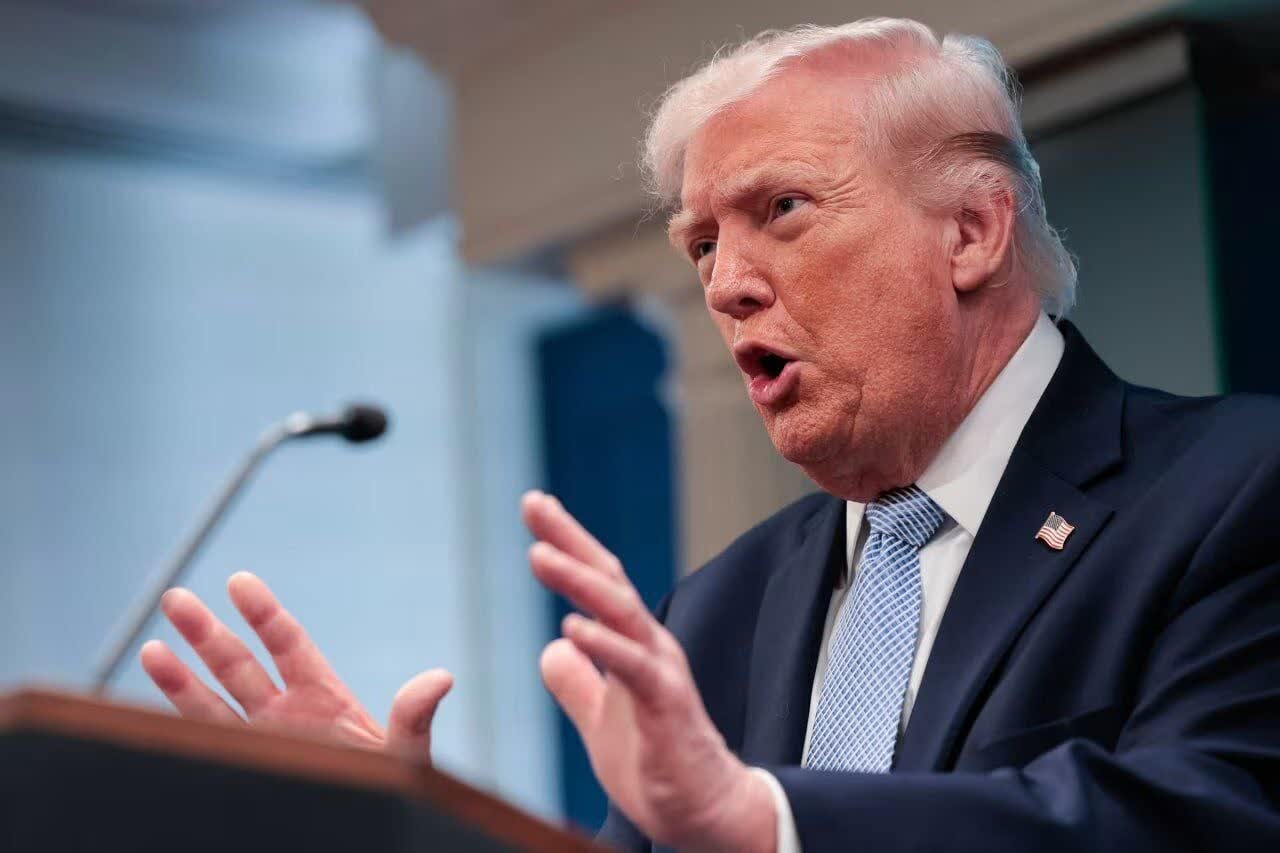
The pattern of contradictory statements and actions by US President Donald Trump in recent days points to a deeper problem: a lack of strategic clarity in pursuing a war that Washington itself waged on Iran. As the conflict unfolds, new challenges have emerged from within, blurring the original enemy objectives and leaving them increasingly out of focus.
Tehran – IranView24
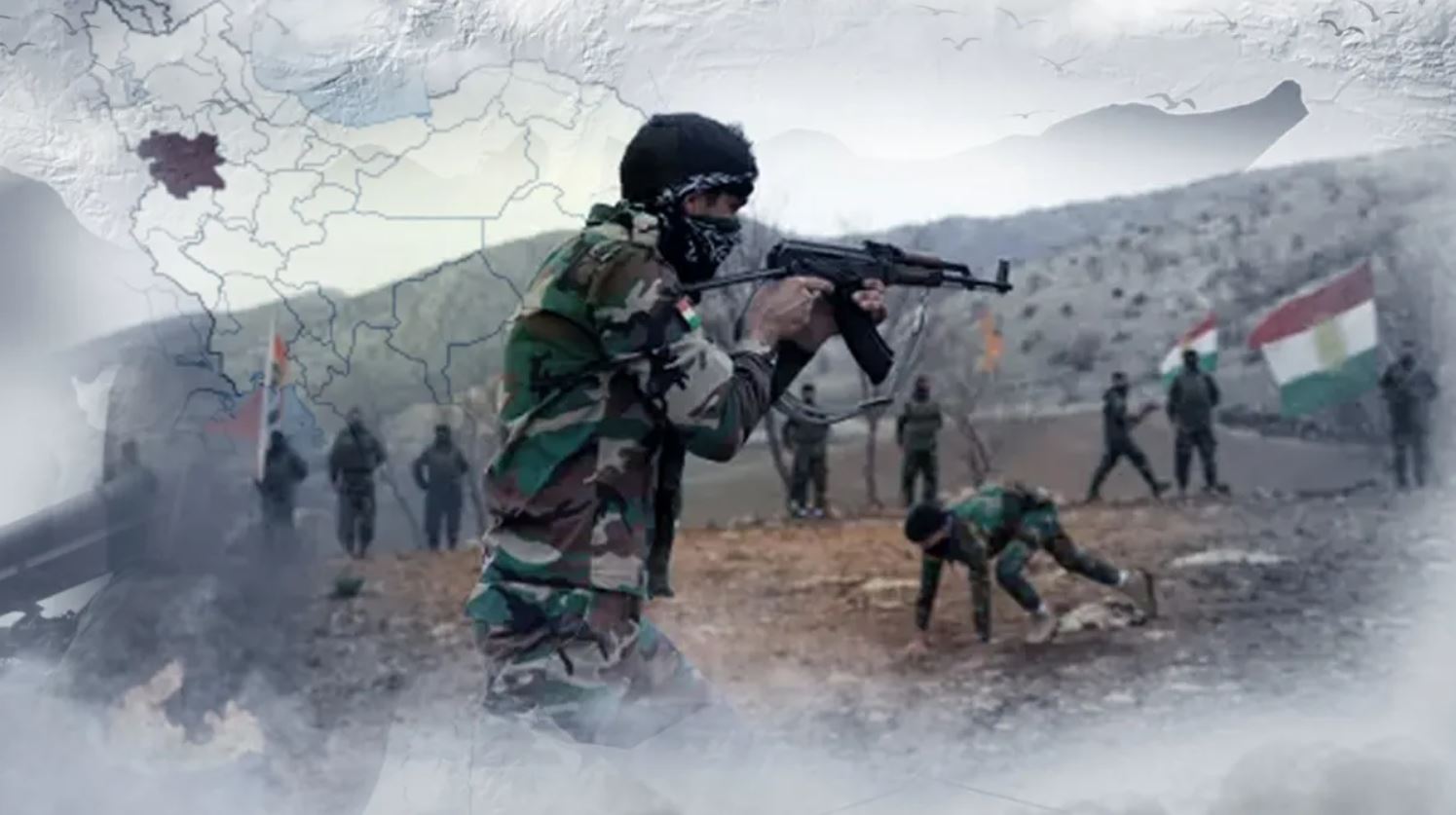
At the outset, the American-Zionist camp defined its aims in stark terms: the downfall of the Islamic Republic, the fragmentation of Iran and control over the country’s oil resources. The premise was simple. A large and powerful state, once broken apart, becomes far easier to dominate, particularly when it comes to oil and other underground assets. Yet the course of the war has undercut those assumptions. The Islamic Republic has not moved closer to collapse, nor has Iran shown any sign of disintegration. Efforts to stir up internal unrest and to enlist foreign elements to disrupt domestic order and security have failed to gain traction.
Instead, the United States now finds itself facing an unintended consequence: the closure of the Strait of Hormuz. A war of aggression that began with regime change in mind has effectively narrowed to a far more immediate and pressing concern, reopening a strategic maritime conduit.
The Strait of Hormuz is a critical artery for energy and trade. If its closure persists in the weeks ahead, the economic shock will not be contained. European and Western economies are likely to face mounting pressure, with the United States already seeing gasoline prices climb to unprecedented levels. Should the conflict drag on for two months, the economic outlook for Western countries would deteriorate sharply.
Nor are the consequences confined to energy markets. The war has driven up the cost of trade, disrupted air travel and introduced broader frictions across the global economy.
Against this backdrop, Washington appears to be operating without a clear exit strategy. It has turned to a combination of military pressure and media campaign aimed at framing the conflict as a victory. The episode surrounding the downing of a US fighter jet in Iran illustrates this approach. By announcing that American forces had rescued the pilot in a military operation, Trump sought to project control and success. Yet the facts on the ground tell a more complicated story: the pilot’s fate remains uncertain, while the operation reportedly came at the cost of twelve US aircraft, including two planes, several helicopters and drones.
The difficulty lies in the absence of a credible narrative of success. Without a clear strategy, Washington appears increasingly caught in a cycle of reactive measures. Each attempt to ratchet up pressure on Iran has instead compounded the challenges it faces. The trajectory suggests that the United States may ultimately be forced to withdraw from the region in disgrace under adverse conditions.
Trump’s latest approach points in that direction. It hinges on declaring victory in the media while sidestepping the realities of the battlefield, coupled with an escalation in attacks on Iran’s infrastructure. This comes even as Tehran has signaled that it will determine the timing of the war’s end.
Such escalation is not without precedent. Key infrastructure, including major industries such as Mobarakeh Steel and Khuzestan Steel, as well as power and energy facilities, has already been targeted. Iran has responded to these strikes and has prepared a broader, pre-identified set of targets for potential drone and missile operations should such attacks continue. It has made clear that any further targeting of its infrastructure will be met with a decisive and consequential response.
Source: Iran Daily