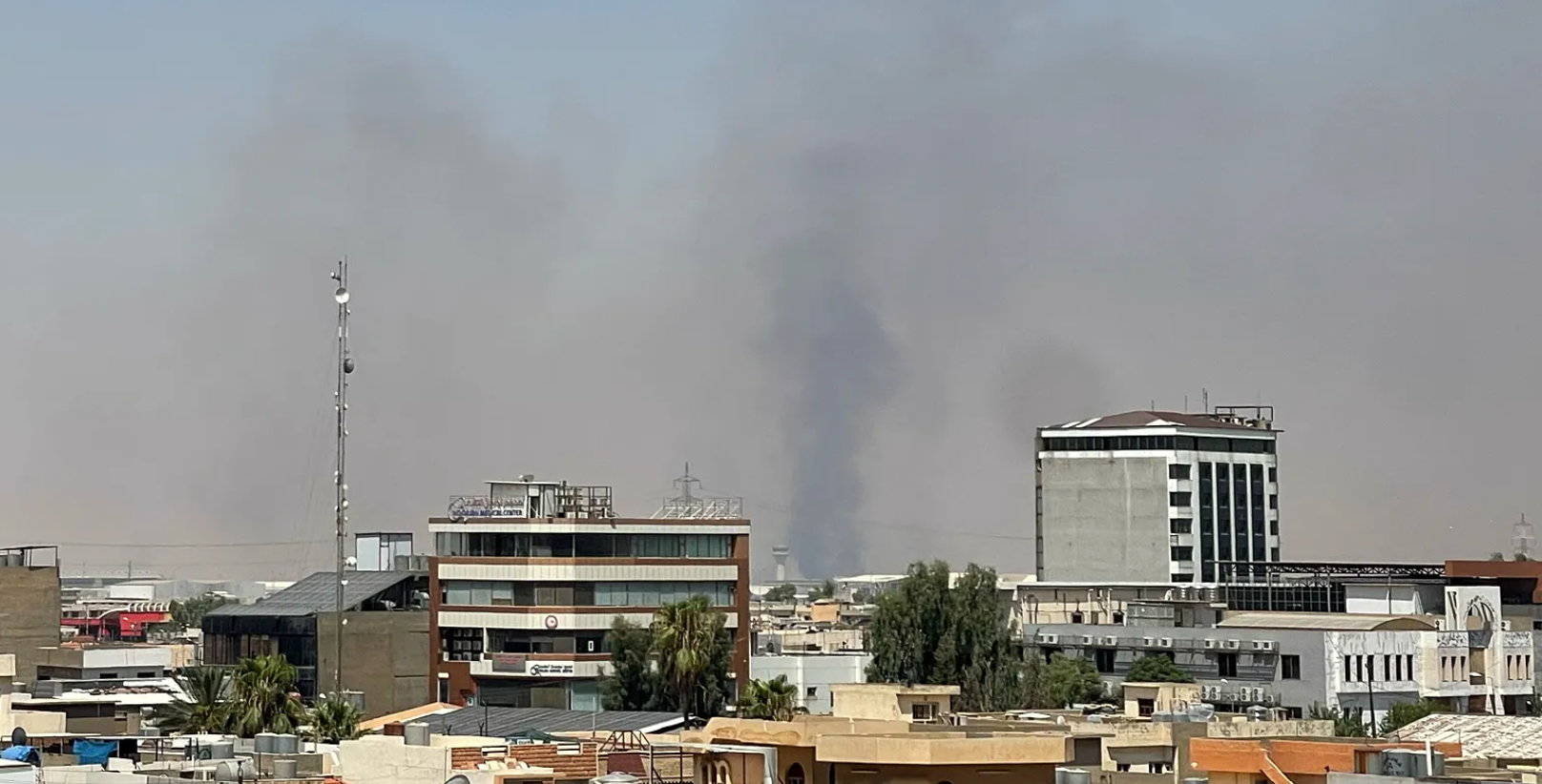
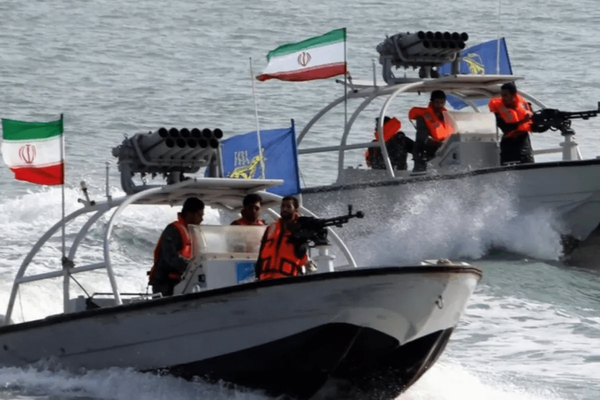
Following a sharp escalation in tensions and direct confrontation between Iran and the United States, one of the region’s most critical geopolitical chokepoints—the Strait of Hormuz—has once again moved to the forefront of global security and economic developments. This vital passage, through which a significant share of the world’s energy flows, holds the power to reshape not only regional equations but also global balances if disrupted. Against this backdrop, Iran’s move to restrict or control maritime traffic, alongside Washington’s efforts to impose a form of naval blockade on Tehran, has given rise to a complex and multilayered situation, forcing international actors—particularly major powers—to respond and reassess their positions.
Tehran – IranView24
In this environment, China—one of Iran’s key economic and energy partners, while also maintaining extensive ties with Persian Gulf states and engaging in structural rivalry with the United States—has found itself in a sensitive and decisive position. On the one hand, Beijing depends on the steady flow of energy from the region and the security of its trade routes; on the other, it seeks to avoid direct confrontation with Washington. These considerations have gradually pushed China’s stance from initial neutrality and calls for restraint toward a more cautious role and even indirect involvement in certain areas, particularly regarding the Strait of Hormuz.
Iran Daily spoke with Mohammadreza Elhami, Vice Chairman of the Iran-China Friendship Association (ICFA) and a China affairs expert, to unpack various dimensions of this approach—from Beijing’s political and diplomatic positions to its role in field and economic developments.
IRAN DAILY: How would China’s stance—as Iran’s economic and political partner—be assessed during the military offensive against Iran and afterward?
ELHAMI: In the early stages of the war, China largely acted in a neutral manner, limiting itself to calling on the parties involved to cease hostilities and exercise restraint. This continued until a resolution was proposed to condemn Iran’s attack on Persian Gulf countries. At that point, due to lobbying by Saudi Arabia and the UAE, as well as China’s desire to preserve relations with these states, no reference was made to the role of the United States and Israel, and China abstained from voting on the resolution.
Subsequently, in the five-point proposal by China and Pakistan to end the war, there was no mention of condemning the United States or Israel, nor was there any discussion of compensation for Iran by China. However, as the war progressed, China gradually—and albeit indirectly—became more involved in war-related issues. This was particularly evident regarding the Strait of Hormuz, when a resolution introduced by Bahrain against Iran, in support of reopening the strait and stating that Iran had no right to close it, was vetoed by China alongside Russia.
As the war continued, the importance of the Strait of Hormuz for China—as one of the largest buyers of oil from the region—became more pronounced, prompting Beijing to move away from strict neutrality.
Why did China not demonstrate stronger support for Iran from the outset?
It appears that China prefers US engagements in West Asia to remain confined there, rather than spilling over into more sensitive areas such as the South China Sea or the Taiwan issue. At the same time, China did not want to be accused of providing military support to Iran. Even if assistance was provided, China typically carries out such actions quietly.
Another key factor is China’s extensive economic and political ties with Persian Gulf countries such as the UAE and Saudi Arabia, which it was unwilling to jeopardize. As a result, it adopted a cautious approach until the Hormuz crisis and the threat to its energy interests became more serious.
How did the closure of the Strait of Hormuz and the imposition of a form of naval blockade by the United States affect China’s interests and relations?
In this regard, China’s defense minister stated that Chinese vessels would continue to pass through the Strait of Hormuz and that the United States had no right to obstruct the implementation of China’s energy contracts with Iran. During the blockade, some Chinese supertankers entered Iranian waters, loaded cargo, and then moved out toward their destinations via routes close to Iranian waters, such as near Jask and Chabahar.
It appears that part of this passage occurred either with a degree of US acquiescence or due to Chinese warnings, or alternatively because routes were selected to remain within safer zones. At the same time, some reports indicated that certain Iranian vessels were seized or turned back.
Under conditions of naval blockade, what alternative routes does Iran have to maintain exchanges with China?
One of the most important alternatives is the overland route. Even before the war—and afterward—a railway line has operated from Shanghai, passing through Xinjiang and Turkmenistan into Iran, eventually reaching the Aprin dry port west of Tehran. This route is mainly used for non-oil goods, although the transport of oil products is also possible, but in smaller volumes compared to maritime shipping.
The advantage of this route is its shorter transit time—around 12 to 15 days—compared to 40 to 50 days by sea. It could develop into a transit and even energy hub.
How can the petro-yuan project and its potential replacement of the petrodollar in China’s Persian Gulf oil transactions play a role in relation to the war and Iran?
China’s main objective is the internationalization of the yuan and reducing dependence on the dollar. This is part of broader economic competition between China and the United States and is not necessarily limited to Iran or wartime conditions in the region. China is seeking to advance this policy with various countries, particularly in the Persian Gulf.
However, due to these countries’ close ties with the United States, China proceeds cautiously. In Iran’s case as well, because of sanctions and the high risks associated with economic engagement, China seeks to keep its level of interaction with Iran managed and maintains a conservative approach.
How could increased alignment between China and Iran possibly happen under these conditions?
China already demonstrates a degree of alignment, even if not publicly acknowledged. Iran could leverage the Strait of Hormuz as a bargaining tool—meaning that in exchange for reopening or facilitating passage, it could call on China to play a role in pressuring the United States to ease sanctions and release blocked assets.
Additionally, mediation through countries such as Pakistan—which maintains relations with China, the United States, and Arab states—could serve as an important diplomatic channel.
Ultimately, could the continuation of the naval blockade draw China into a more serious confrontation with the United States?
In practice, yes. However, China does not want to enter into direct confrontation with the United States, yet it will not back down from its interests either. The relatively smooth passage of some Chinese tankers through the region suggests that China opposes a full-scale restriction and is seeking to preserve its own energy supply routes.
In reality, the naval blockade is primarily directed at Iran, while other countries continue to enjoy greater freedom. Nonetheless, China is using its influence to work around or reduce these constraints, as Iran remains one of its key partners in oil supply.
Source: Iran Daily