More than one month into the war, the question remains: where do the parties stand? The United States and Israel launched their military campaign on February 28 with declared goals of dismantling Iran’s nuclear program, destroying its missile capacity and toppling the Islamic Republic. Initial assessments suggested the aggression would last four to five days, with a maximum timeline of one week given available capabilities. Yet the conflict has now entered its second month.
Tehran – IranView24
What have the United States and Israel achieved? The war began with the bombing of the leadership’s administrative compound, assassinating Iran’s Leader and senior military officials. At the same time, US and Israeli forces targeted a wide range of military, security and political figures, while inflicting damage on Iran’s air defenses, naval assets and nuclear facilities. By day 30, they claimed to have struck 13,000 targets across Iran. Having failed to meet their three initial objectives, they expanded their target list to include critical infrastructure. Fuel depots, refineries, power facilities, airports, universities and steel plants were hit.
As the war dragged on and Iran held its ground, Washington repeatedly deployed additional forces and military hardware to the region. The US president has issued multiple deadlines for Tehran to surrender or accept stringent terms for negotiations, all of which have fallen flat. Efforts to rally broader international backing, particularly from Europe, East Asia and NATO, have also met with little support.
How has Iran responded? From the outset, Tehran moved quickly to offset the impact of leadership assassinations, replacing key figures and restoring continuity. A new Leader was selected in a week, while other positions were rapidly filled. Militarily, Iran launched heavy strikes on US bases in the Persian Gulf, Iraq and Jordan, and blocked the Strait of Hormuz to shipping.
As Iranian strikes continued, expanding to include economic targets in Persian Gulf states seen as US partners, both security and economic conditions in those countries came under strain. Media reports point to mounting losses from Iran’s retaliation against US interests and allied infrastructure. American radar, surveillance and intelligence systems have taken severe hits, with some knocked out of operation. Several US aircraft, including an AWACS plane, were destroyed or damaged. The USS Gerald R. Ford, the US Navy’s largest carrier, withdrew from the region toward Europe. Statements by President Donald Trump suggest the vessel sustained missile damage. The USS Abraham Lincoln also moved out of range after Iranian missile launches.
Military spending alone, excluding damage, has reached an estimated $18 billion, according to The Guardian. The financial toll has exceeded expectations, prompting the White House to request a $200 billion war budget from Congress, which was rejected. Meanwhile, the closure of the Strait of Hormuz has dealt a major blow to the global economy. US efforts to secure international help to reopen the waterway have so far come up short, while Iran continues to leverage it as an economic tool. Brent crude prices have surged 60%, with forecasts pointing higher if the war drags on.
Reopening the strait has now been added to Washington’s growing list of unmet objectives, adding to the White House’s uncertainty.
Iran, through sustained resistance, has pushed the war into a war of attrition for its adversaries. Missile and drone strikes continue, and their evolving range and impact signal Tehran’s capacity to inflict further damage. Each strike on Iranian infrastructure is quickly met with retaliatory attacks on similar targets in Israel and allied Arab states.
US and Israeli expectations have also fallen short on another front. Hopes of triggering unrest inside Iran have not materialized. Instead, large crowds opposing war and foreign intervention have taken to the streets across the country, showing sustained public presence. This has fostered a strong sense of national unity, giving decision-makers greater backing to press on.
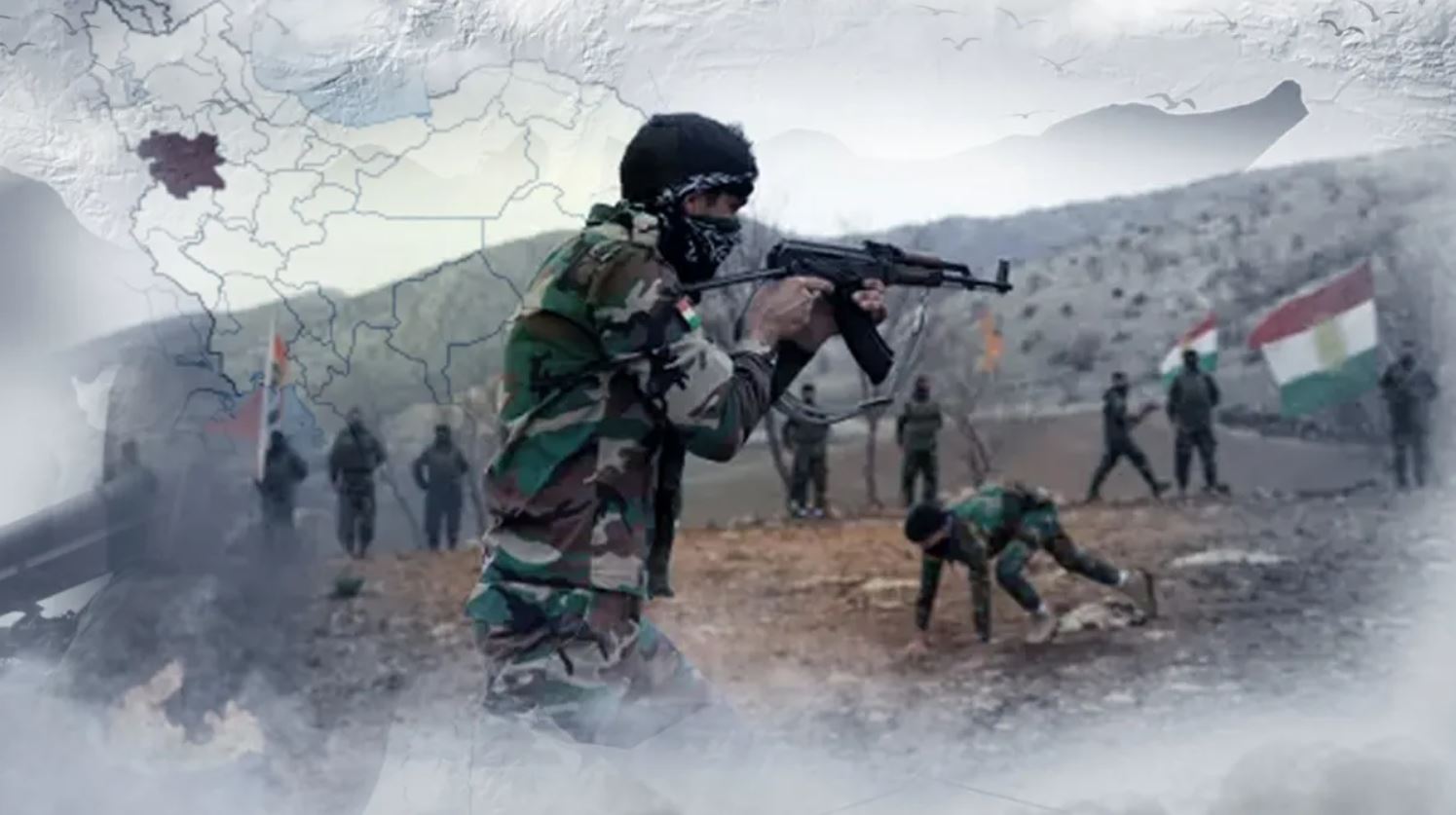
Plans involving Kurdish armed groups based in Iraq’s Kurdistan region, expected to cross into western Iran early in the conflict, have failed to materialize. Iran, wary of their potential role, has carried out continuous strikes on their bases in northern Iraq, dealing significant blows. Meanwhile, regional allied groups have stepped in. Hezbollah, previously seen by Israel as weakened, has joined the conflict with force and unveiled new capabilities.
Iraqi resistance attacks have led to NATO’s withdrawal from Iraq and the evacuation of US forces from Victoria Base to Jordan. These developments suggest earlier assumptions about weakening the Resistance Axis were off the mark.
Still, Iran’s actions largely fall within the framework of retaliatory deterrence. Its responses remain predictable, typically mirroring strikes on its own infrastructure. The main variation lies in geography, extending beyond Israel to US-aligned Arab states. There is little indication so far of preemptive or surprise operations. A shift toward more proactive deterrence, imposing heavier and less predictable costs, could potentially reshape the battlefield in Iran’s favor. While control of the Strait of Hormuz remains a key leverage point, inflicting higher human costs on adversaries could emerge as another decisive factor.
Where does the conflict head next? Now in the second month of the war, signs point to further escalation. Trump has claimed negotiations are underway, even presenting a 15-point draft proposal, while asserting Iran is pushing for talks. Tehran has denied this and outlined its own conditions for ending the war. Even if talks take place, the gap between the two sides appears too wide to bridge.
Despite heavy losses, both sides retain the capacity to continue. With negotiations either unlikely or doomed to fail, and international mediation efforts struggling, the trajectory points toward intensified conflict. The continued buildup of US forces suggests Washington may soon take more action. Iran, for its part, says it is fully prepared for any scenario, including ground incursions or even attempts to occupy parts of its territory.
Source: Iran Daily