Iran warned that diplomatic engagement requires heightened caution, stating that vigilance during negotiations may be even more critical than in wartime, as the United States appears to be repeating its destabilizing and untrustworthy behavior.
Tehran – IranView24
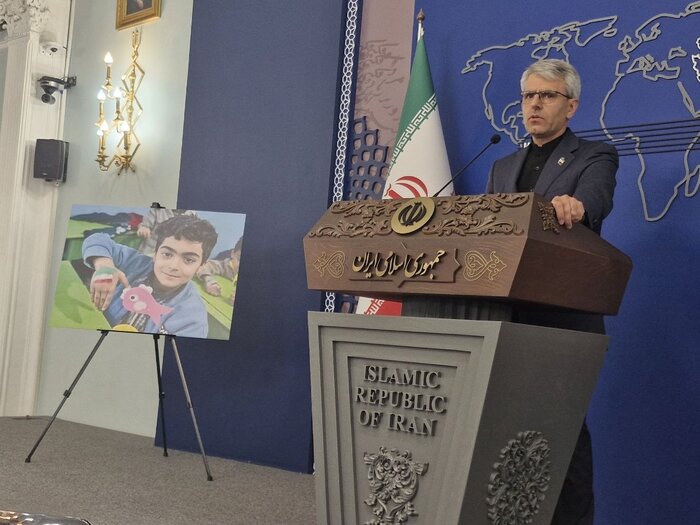
Foreign Ministry spokesperson Esmaeil Baghaei said during a press conference on Monday that all components of Iran, with full commitment, are vigilantly following every process.
Responding to a question from IRNA’s correspondent, Baghaei said, “We must be cautious of the enemy’s conspiracies, and this, in my view, is the rational duty of the negotiating team and the entire system of governance.”
Addressing concerns about whether the current ceasefire and US insistence on limiting exchanges could be a “deception” aimed at resuming the war, he stressed that Iran cannot ignore recent experiences.
“We certainly cannot forget the very costly experience we have had over the past year; not even for a moment,” he said.
He added, “We cannot forget that the United States, on two occasions in less than nine months, betrayed diplomacy during negotiations, violated international law in the most severe manner, attacked Iran’s territorial integrity, martyred many of our prominent figures and Iranian citizens, and caused damage to Iran’s assets.”
‘US insists on unreasonable, unrealistic positions’
Elsewhere in his presser, Baqaei further criticized Washington’s negotiating stance, saying, “Unfortunately, the United States hardly learns from previous experiences. It insists on certain unreasonable and unrealistic positions, despite having already tested them.”
“We Iranians say, ‘Testing what has already been tested is a mistake,’ but apparently the opposing parties insist on repeating this mistake, and naturally they will not receive a different response from previous instances,” he said.
No decision made for future talks
On the prospects for future talks, he said that no decision has been made.
“As of now, while I am speaking to you, we do not have a plan for the next round of negotiations, and no decision has been taken in this regard,” he stated, adding that US actions “are in no way indicative of seriousness in pursuing a diplomatic process.”
US, Israel responsible for regional instability
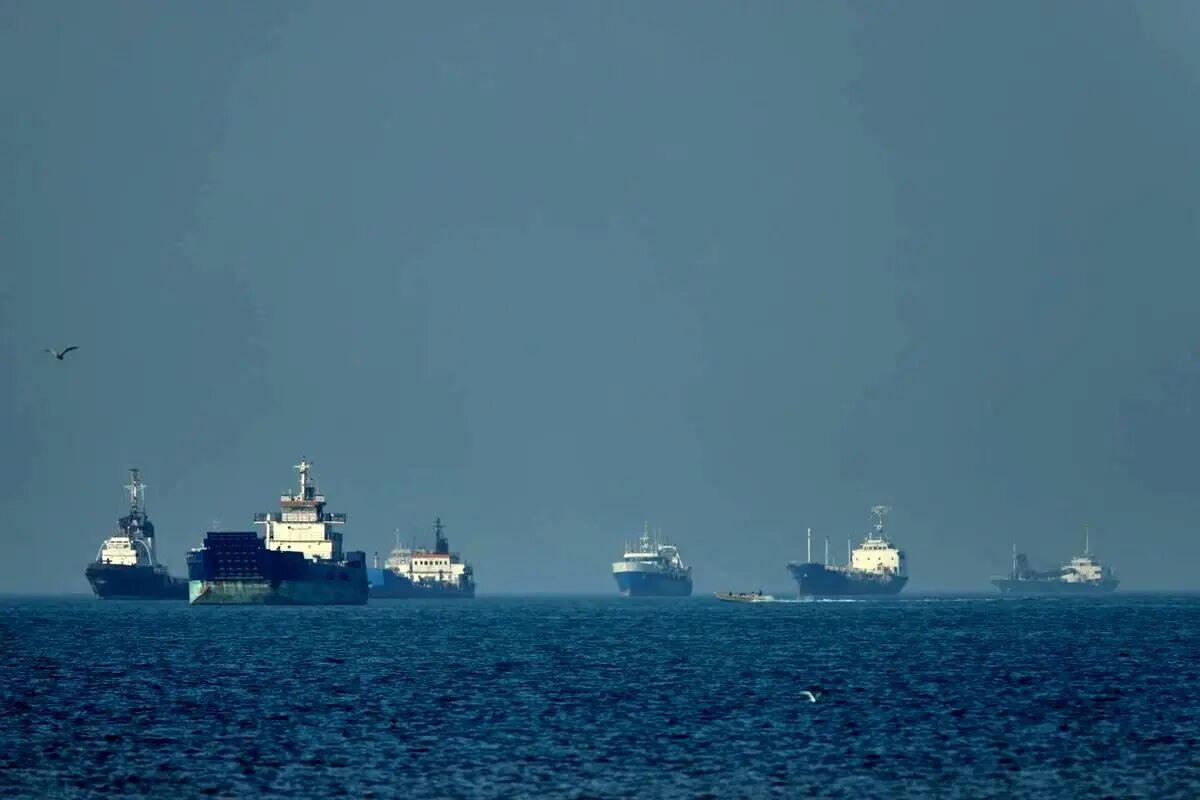
Turning to maritime security concerns raised by India following reports of gunfire toward two commercial vessels flying its flag, the spokesperson attributed regional instability to US and Israeli actions.
“First of all, whatever happens in the Persian Gulf and the Strait of Hormuz is solely the result of the military actions of the United States and the Zionist regime,” he said.
He added that the situation is under review. “Regarding the incident you mentioned, our competent authorities are investigating whether this incident was indeed carried out by our forces or not. This matter is under examination.”
Iran thanks Russia, China for vetoing ‘anti-peace resolution’
On relations with China and Russia, he emphasized Iran’s reliance on its own population for security, while noting that all countries, particularly permanent members of the UN Security Council, bear responsibility under international law.
He expressed appreciation for Beijing and Moscow, saying, “We thank Russia and China for their responsible action in vetoing a resolution that was truly entirely anti-peace and contrary to realities.”
Baghaei added that Tehran remains in continuous contact with both countries and believes accountability for US and Israeli actions should be pursued through international and regional frameworks, including the United Nations, BRICS, and the Shanghai Cooperation Organization.
Iran to EU: Stop using intl. law as tool
Responding to a question about remarks by EU foreign policy chief Kaja Kallas regarding respect for international law and the reopening of the Strait of Hormuz, the spokesperson said, “You cannot use international law as a handy tool; whenever it suits your interests, accuse other countries of violating international law, and whenever it suits your interests, easily ignore violations of international law or even become complicit in them.”
On the issue of transferring enriched uranium, he said it has not been raise in this round of negotiations nor in previous rounds.
Baghaei says Iran realistic about further engagement
Asked about prospects for successful negotiations amid contradictory US positions, he said, “We are certainly not optimistic; we are realistic.”
“The experiences not only of the past year, but of the past 50, 60, 70 years, have made us highly realistic, to the extent that one might say ‘excessive pessimism’ toward US approaches. I think being pessimistic toward the enemy is the essence of rationality,” he further explained.
Strait of Hormuz remains in Iran’s control
Baghaei added that current conditions complicate normalization of shipping through the Strait of Hormuz, citing reluctance among shipowners, cargo holders and insurers.
Iran, he said, has concluded that “specific protocols” are needed to ensure safe passage in the future following what he called the “bitter experience” of US and Israeli military aggression.
Addressing speculations about potential concessions in future talks, including on its missile program, he dismissed the idea as “strange” and stressed that Iran “will not negotiate about its defensive capabilities.”