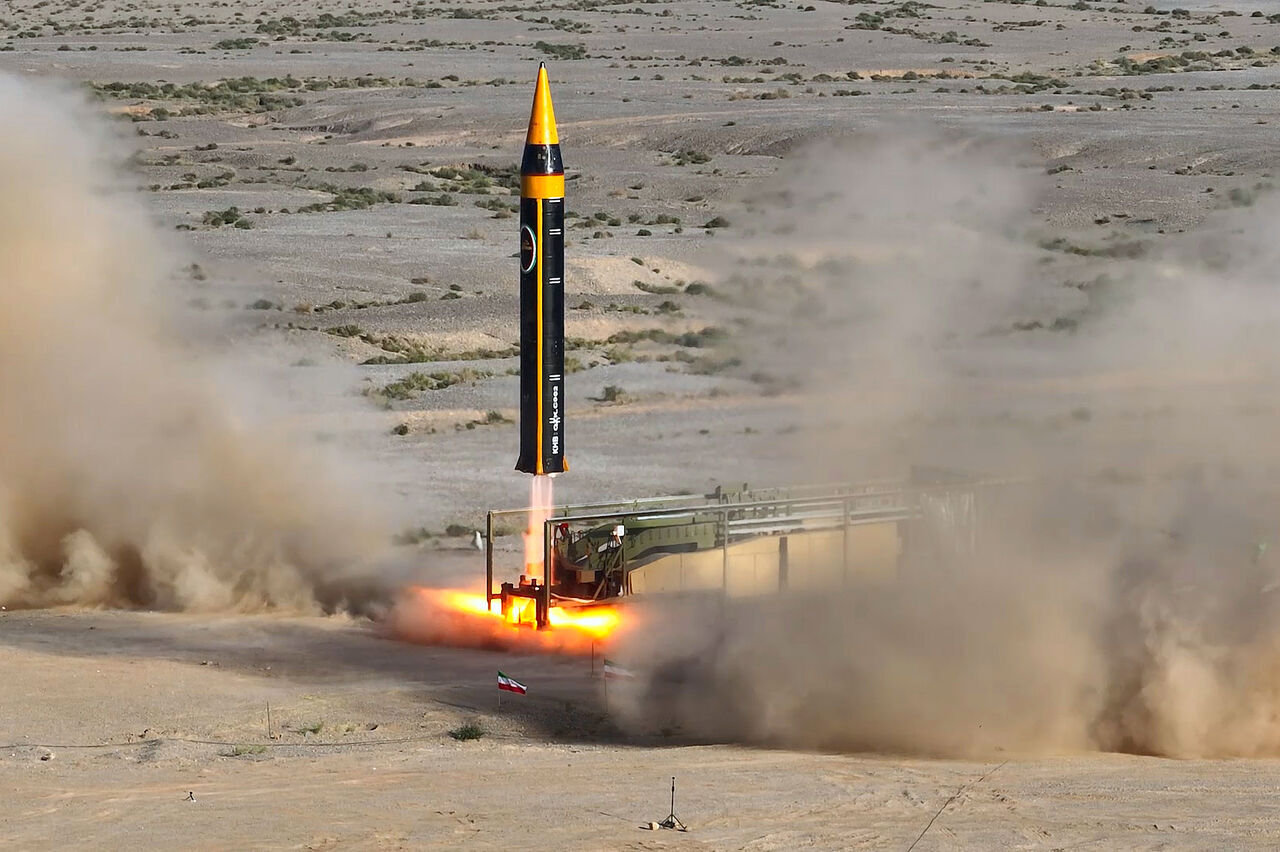
Tel Aviv has once again reconfigured its propaganda focus around the “Iran threat.” This time, however, not the nuclear file but Iran’s missile and drone capabilities have become the central focus of the narrative war.
Tehran-IranView24
In the official narrative of the Zionist regime, the main axis of political pressure and psychological warfare against Iran has always rested on a fixed claim: that Tehran is approaching the “threshold of acquiring nuclear weapons.” For more than two decades, this claim has been frequently repeated and has become part of the standard security lexicon of Israel and its allies—without its legal, technical, and temporal foundations ever being seriously verified. Nevertheless, the summer 1404 war marked a turning point in the effectiveness of this narrative.
After the summer 1404 war (June 2025), at a time when the Zionist regime has faced an unprecedented accumulation of political, legal, and public-opinion pressures domestically and internationally, Tel Aviv has systematically reoriented its propaganda and discourse once again around the “Iran threat.” This time, however, unlike previous periods when Iran’s nuclear program was at the center of psychological warfare, Iran’s missile and drone programs have been highlighted as the main axis of a new security narrative.
In recent weeks, Zionist officials and sources, by repeating familiar claims about Iran’s “proximity to the threshold of strategic weaponry,” have sought to define a new perceptual framework against Iran—one aimed at shifting attention away from the legal and humanitarian consequences of Israel’s crimes in Gaza, Lebanon, and Syria, as well as the recent war with Iran, toward reproducing a structural and long-term threat in the minds of Western public opinion. In this new narrative construction, Iran’s missile program is portrayed not as a component of defensive deterrence, but as a “regional destabilizing threat.”
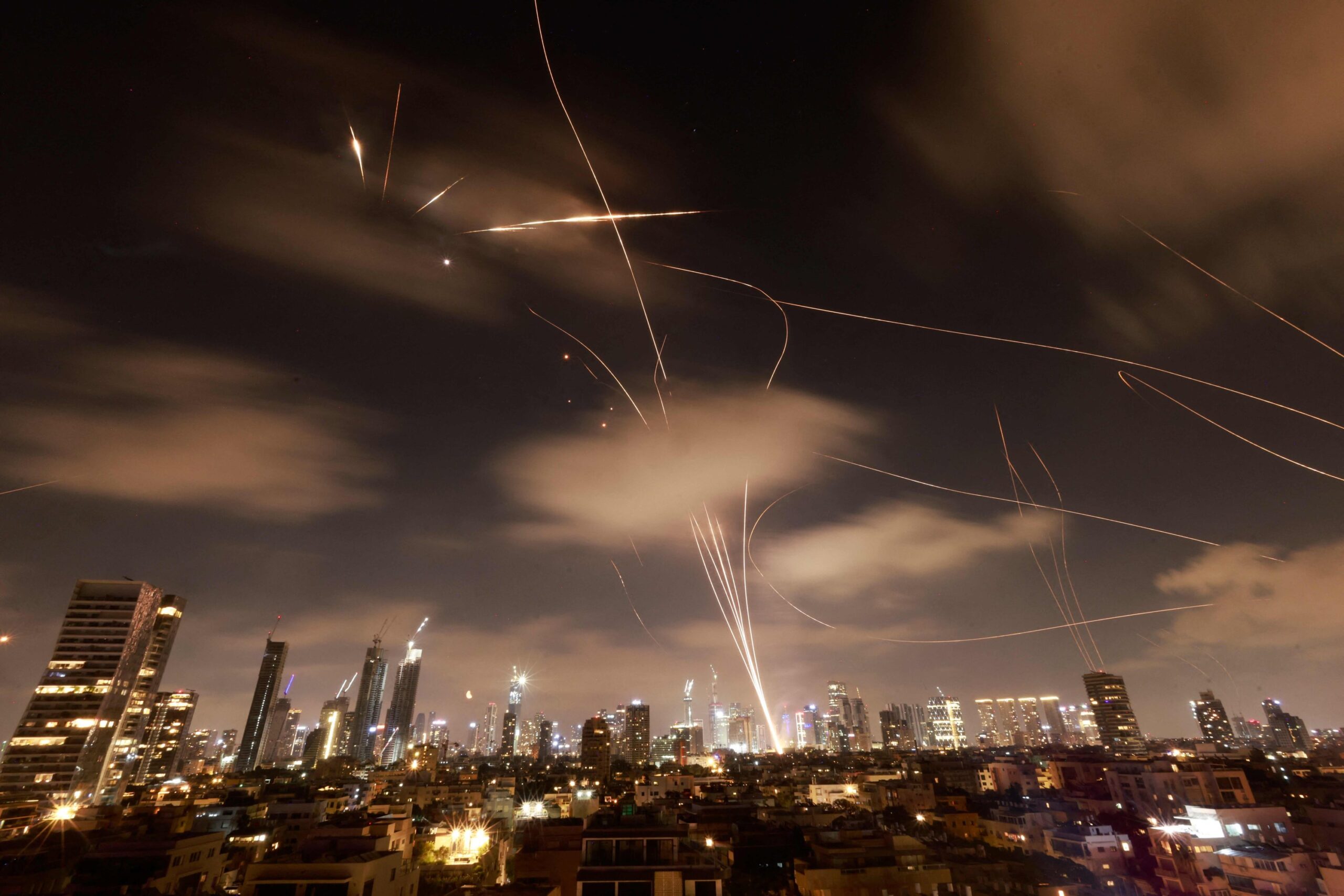
Under these conditions, the shift in propaganda focus from the nuclear program to Iran’s missile and drone programs is less an accidental change than a calculated response to new battlefield realities. During the recent imposed war—which included direct attacks on some of Iran’s nuclear facilities—not only did the claim of “paralyzing Iran’s strategic capabilities” fail to materialize, but Tehran’s retaliatory response, particularly in the missile domain, practically demonstrated the effectiveness and precision of Iran’s indigenous systems in striking specific targets deep inside the occupied territories. This field development, resulting in the American-Zionist aggressor axis to request an immediate ceasefire, also altered the equation of the narrative war.
From a perceptual standpoint, the recent war familiarized segments of global public opinion—especially at elite and military levels—with the reality of Iran’s missile and drone capabilities not as a propaganda claim, but as a genuine component of deterrence. This has simultaneously strengthened and complicated Israel’s efforts to depict these capabilities as an “uncontrollable threat”: strengthened because tangible evidence exists, and complicated because that same evidence, and the deterrent and defensive function of this capability have enhanced the legitimacy of Iran’s conventional weapons program simultaneously.
Within this framework, after the recent war, negative propaganda against Iran’s missile and drone programs has expanded with greater speed and intensity than before. The fundamental difference between this phase and the nuclear file is that this time—unlike theoretical and unverifiable claims about Iran’s intent to build atomic weapons—field and operational evidence proving missile power is available.
Yet this very reality on the ground has created a new paradox in Western and Zionist narratives: on the one hand, Iran’s drone capability is presented as a destabilizing factor; on the other, numerous reports from Western—especially U.S.—military and industrial circles have emerged about studying, modeling, or utilizing the industrial and operational patterns of Iranian drones.
This duality reflects a growing gap between the official security narrative and technical–operational assessments. At the level of political narrative, the persistent emphasis on the “Iran threat” serves as a tool for managing international pressure on the Zionist regime, diverting public attention from the legal consequences of recent wars, and justifying the continuation of Israel’s unconventional military superiority. At the technical and strategic level, however, Iran’s missile and drone capabilities—as undeniable realities—are directly influencing the security and military calculations of major and regional actors.
Overall, the intensified Israeli propaganda focus on Iran’s missile and drone programs after the summer 1404 war should be seen as part of a broader strategy of “redefining the threat”—a strategy aimed at compensating for the erosion of international legitimacy, diverting public opinion from the humanitarian and legal consequences of the recent war, and reconstructing a framework of psychological deterrence against Iran. Nonetheless, the continuation of this strategy faces a structural challenge: the more tangible evidence of the effectiveness of Iran’s conventional deterrence increases, the deeper the gap and contradiction will become between the international treatment of Iran’s defensive capabilities and the overlooking of Israel’s unconventional offensive capabilities.
This is while, in the region’s strategic reality, the only actor that persistently remains outside all nuclear, chemical, and biological verification regimes—and simultaneously enjoys the advantage of asymmetric deterrence—is the Zionist regime of Israel; a regime with a dark record of widespread human rights violations and the commission of organized crimes, from occupied Palestine to other regional fronts.