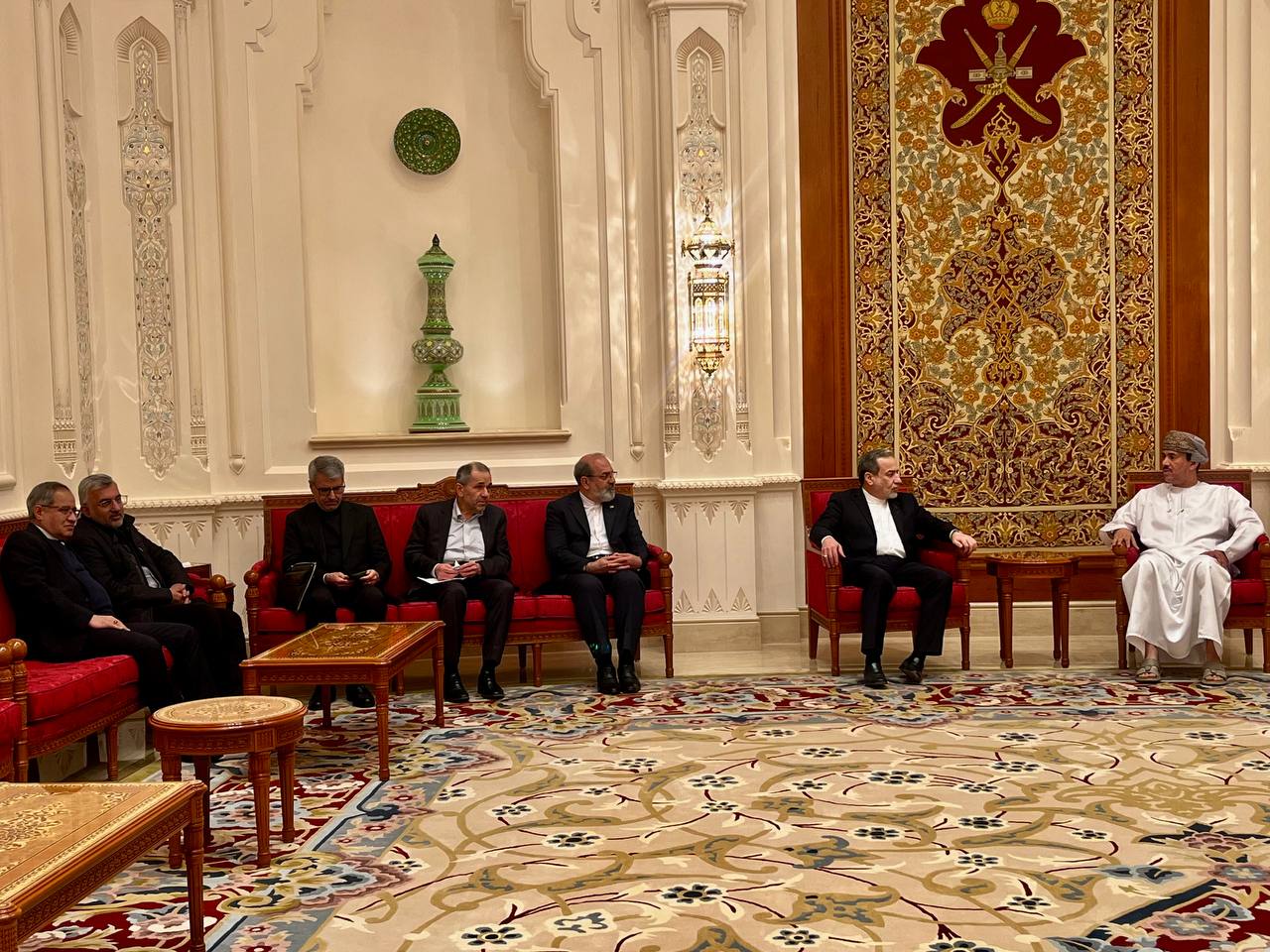
In an interview with IranView24, Reza Nasri, an international affairs expert, referring to the ambiguous environment surrounding the recent Iran-U.S. negotiations, stressed that Trump’s contradictory messaging policy and Israel’s media efforts aimed at sabotaging the negotiation process have complicated the equation. Nonetheless, many regional countries view Iran as an engaged actor and a balancing force against Tel Aviv’s unpredictable behavior. ”
Fatemeh Sayyahi, IranView24 correspondent in Muscat
In an interview with IranView24, Reza Nasri, an international affairs expert, referring to the environment surrounding the recent Iran-U.S. negotiations, highlighted, “A feature of this period is Donald Trump’s ongoing ‘policy of ambiguity,’ which keeps negotiations in a state of uncertainty through contradictory signals.”
He added that at the same time, Israel seeks to influence the negotiation process and sow distrust through media framing and selective reporting.
Nasri stressed that, from the perspective of many Arab states, Israel is viewed as an uncontrollable actor, whereas Iran is a country with which engagement is possible, and whose behavior can be managed within defined frameworks. In the logic of regional balance, eliminating or weakening Iran as an influential power constitutes Israel’s absolute dominance in Middle East dynamics. Hence, a significant number of regional states prefer Iran’s stability as a balancing factor.
The international affairs expert added, “In the region’s geopolitical structure, any political unit with a population over 20 million can be perceived as a potential threat in the security calculations of others—a reality that even applies to countries such as Turkey.