If, under “nearly ideal conditions,” the outcome of the war was a return to square one, what does Israel have to offer in the next war? This is a question that media outlets close to the Zionist government are now loudly raising.
Tehran-IranView24
A recent report by the Zionist newspaper Israel Hayom, titled “Iran Is Already Preparing for the Next War with Israel,” regarding the June 2025 imposed war, should be seen as a meaningful attempt to redefine the outcomes of this confrontation and manage its strategic consequences in public opinion and decision-making circles of the Israeli regime. Although the report is superficially written in a critical and realistic tone, at its core it carries a set of purposeful narrative lines that both reflect Tel Aviv’s security concerns and lay the groundwork for guiding the regime’s future policies toward Iran.
Narrative Construction of an “Incomplete Victory”
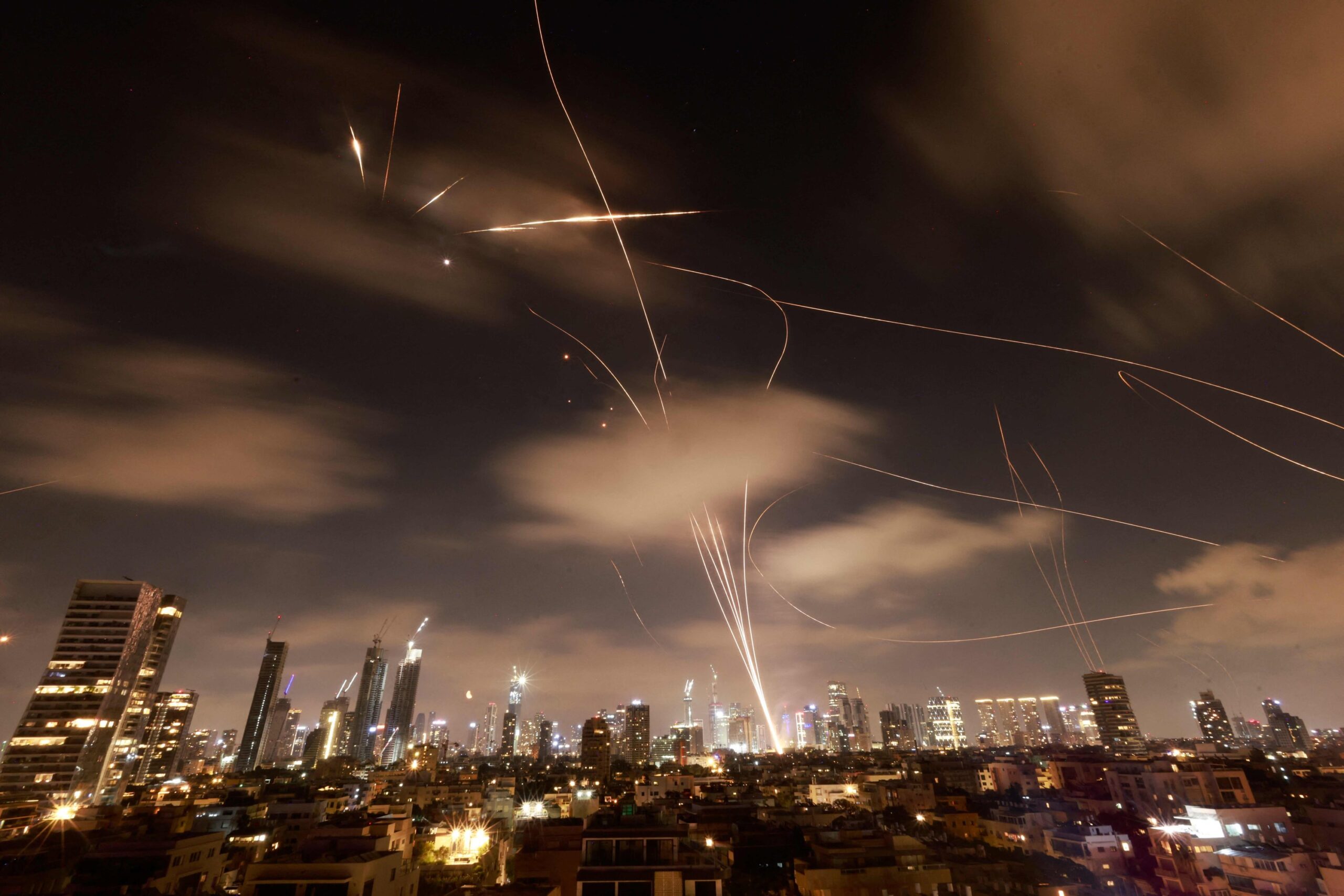
The first narrative line of the report is a calculated distinction between “operational achievements” and “strategic failure.” The author, claiming Israel’s field successes—from the assassination of Iranian commanders and nuclear scientists to attacks on Natanz, Fordow, and Isfahan facilities—seeks to present an image of a precise and powerful military operation. This part of the narrative, rather than being analytical, functions defensively against the Iranian narrative, which emphasizes Israel’s defeat in the war. In fact, the Israeli media’s goal is to prevent undermining the credibility of Israel’s army and security institutions.
Therefore, immediately afterward, the report with a meaningful turn emphasizes that these achievements did not alter Tehran’s calculations, and from Iran’s perspective, the war is not considered a loss but rather a form of “successful resistance” against Israel and the U.S. This assertion implicitly acknowledges the failure of Tel Aviv’s main objective, but sends a message to Washington that pressure on Tehran must continue to force Iran into a strategic retreat.
Therefore, immediately afterward, the report with a meaningful turn emphasizes that these achievements did not alter Tehran’s calculations, and from Iran’s perspective, the war is not considered a loss but rather a form of “successful resistance” against Israel and the U.S. This assertion implicitly acknowledges the failure of Tel Aviv’s main objective, but sends a message to Washington that pressure on Tehran must continue to force Iran into a strategic retreat.
A Resilient and Rebuilding Iran
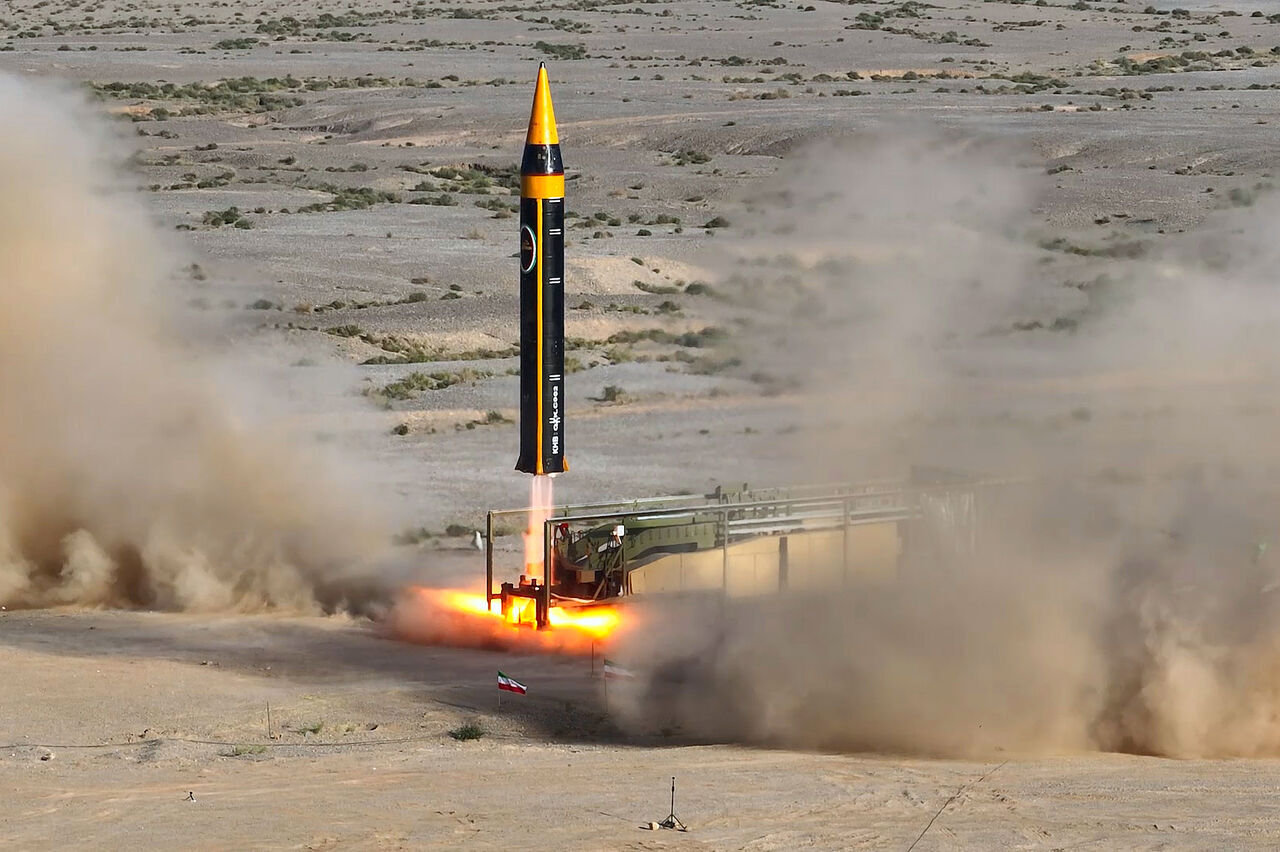
The second narrative line portrays Iran as a “learning” actor with a high capacity for recovery. The report emphasizes that Tehran, immediately after the war, began rebuilding its missile capabilities, restoring nuclear infrastructure, and filling command gaps. Stressing the preservation of nuclear knowledge, intact centrifuges, and lesser-known sites, it effectively conveys the message that military action has not stopped Iran’s nuclear program but has merely delayed it.
In this context, mentioning Iran’s possible cooperation with Russia and China serves to magnify the future threat—a threat which, according to the author, will become more complex and costly over time.
In this context, mentioning Iran’s possible cooperation with Russia and China serves to magnify the future threat—a threat which, according to the author, will become more complex and costly over time.
Warning Against the Illusion of Iran’s Collapse
One of the report’s most important narrative lines is a direct critique of the hypothesis of “the collapse of Iran’s political system.” Unlike some hardline currents in Tel Aviv, Israel Hayom describes this idea not only as unrealistic but also dangerous. The report highlights the role of the Islamic Revolutionary Guard Corps as the country’s most cohesive force and warns that the collapse of civilian governance could lead to the establishment of a more hardline military regime, a scenario that, from the author’s perspective, would not even be desirable for Israel. This part of the report may be seen as a theoretical retreat from the “regime change” rhetoric, which had been repeatedly promoted by Israeli officials in past years, but whose costs have now become more apparent. At the same time, this narrative implicitly acknowledges Israel’s strategic failure while pretending that because this goal is risky for Israel, it has been removed from the agenda for now.
Containing Domestic Optimism
At the level of objectives, the report’s first function is to manage Israeli public expectations. The author seeks, with controlled realism, to prevent the perception that Israel could solve the “Iran issue” by repeatedly using military strikes. This approach serves as a preemptive media effort to justify potential future failures and reluctance to engage in another war.
Pressure for Strategic Rethinking
A more important goal is sending a warning message to Israel’s political and security core. The report explicitly states that continuing along the current path cannot serve Israel’s interests. In Israeli security discourse, this assertion amounts to a call for a fundamental reevaluation of Iran strategy—a reevaluation likely involving a combination of diplomacy, changes in intelligence and security plans, indirect deterrence, and regional coalition-building.
Preparing the Ground for Compulsory Diplomacy
Although the report does not directly advocate negotiations, its repeated emphasis on “erosion of achievements over time” and the risk of an arms race effectively argues in favor of a stricter diplomatic framework against Iran. In this sense, Israel Hayom attempts to link military failure in containing Iran to the necessity of continuous political and economic pressure.
Conclusion
Overall, Israel Hayom should be seen not merely as a military analysis but as a document revealing a strategic crisis for the Israeli regime regarding Iran. The report inadvertently portrays Iran as a country that, despite pressures, has the capacity to survive, rebuild, and impose a deterrence equation. At the same time, it shows that even media outlets close to power in Tel Aviv are coming to accept the reality that the “military option” is not the ultimate solution but part of a costly deadlock.
From the perspective of the Iran View 24 editor, the most important point in this report is not what Israel did but what it failed to do: the Israel Hayom report inadvertently confirms that the combined pressure model (assassination, military strike, sanctions, and regime change threats) has reached its peak effectiveness. Iran has shown that even under tactical vulnerability, it possesses the capacity for strategic recovery. The second strategic point is the Israeli discourse shift from the illusion of collapse to concern over its consequences.
However, an important point that Iranian decision-makers must also consider is this strategic conclusion in Tel Aviv: “Time no longer works in Israel’s favor. Every day without an agreement, every month without diplomatic containment, means greater reconstruction of Iran’s capabilities and a more complex confrontation equation.” This assessment represents a bitter reality for Israel, but at the same time carries a warning for Tehran.
Although the passage of time is interpreted as advantageous to Iran, the same understanding could push Israel toward changing strategies, moving beyond past repetitive patterns, and exploring unexpected and high-risk options. Hence, Iran must also prepare for shifts in Israel’s strategic calculations and behavior and not assume that previous patterns of confrontation will continue indefinitely.