When a security incident occurs, the first question is not always “Who fired the shot?” Sometimes a more important question is “Who benefited?” The Sydney shooting placed Israel precisely at the center of public doubt.
Tehran-Iranview24
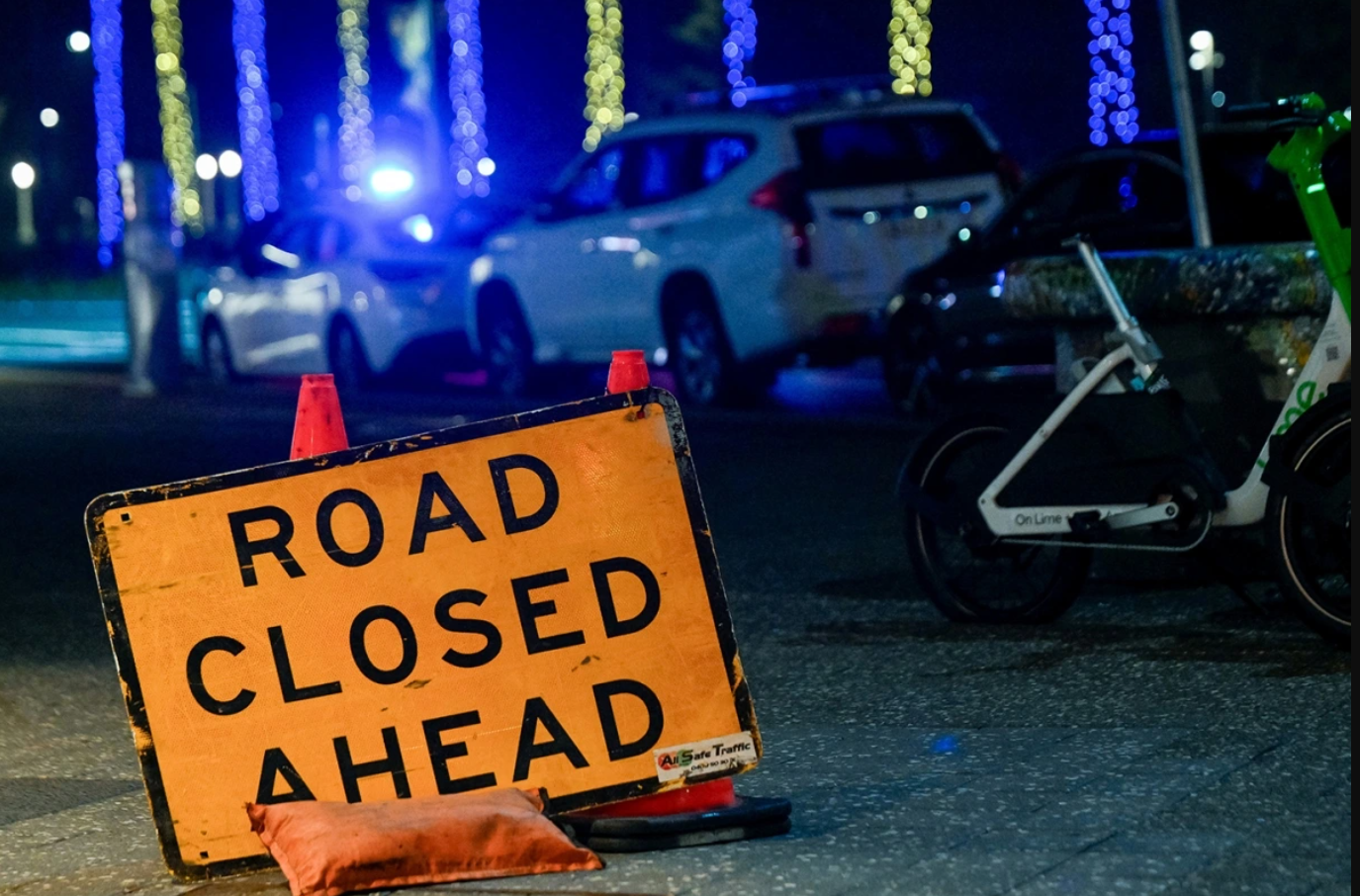
The shooting incident on Bondi Beach in Sydney, which coincided with a public Hanukkah ceremony on December 14, 2025, had two dimensions from a security and media perspective.
The first dimension was the incident itself: an event that, according to reports, left at least 15 people dead and dozens injured. According to the Associated Press, a senior official of the Australian Federal Police stated that the attack was inspired by ISIS ideology, pointing to ISIS flags found in the attackers’ vehicle as well as the discovery of homemade explosives in the same car. A Reuters report also spoke of two attackers—a father and son—and described the incident as fueling renewed debates over gun law reform in Australia.
The second dimension was the battle of narratives, which began almost immediately. Part of these narratives, in line with a familiar, engineered trend marked by Iranophobia in some Western and Zionist media outlets, sought to attribute the incident to Iran or the Axis of Resistance. In contrast, a powerful counter-narrative quickly emerged among global public opinion under the label of a “false flag,” emphasizing that the attack could benefit Israel and thereby undermining the entire predesigned Mossad scenario.
The first dimension was the incident itself: an event that, according to reports, left at least 15 people dead and dozens injured. According to the Associated Press, a senior official of the Australian Federal Police stated that the attack was inspired by ISIS ideology, pointing to ISIS flags found in the attackers’ vehicle as well as the discovery of homemade explosives in the same car. A Reuters report also spoke of two attackers—a father and son—and described the incident as fueling renewed debates over gun law reform in Australia.
The second dimension was the battle of narratives, which began almost immediately. Part of these narratives, in line with a familiar, engineered trend marked by Iranophobia in some Western and Zionist media outlets, sought to attribute the incident to Iran or the Axis of Resistance. In contrast, a powerful counter-narrative quickly emerged among global public opinion under the label of a “false flag,” emphasizing that the attack could benefit Israel and thereby undermining the entire predesigned Mossad scenario.
Why Has the “Israel Did It Itself” Narrative Gained Such Power?
In the early hours after the shooting, a wave of claims about the identity and affiliations of the perpetrators, along with various conspiracy theories, spread across the media space and social networks. Yet amid this wave of narratives, one line stood out prominently, arguing that the attackers were Mossad operatives and that the operation was designed to frame Israel’s enemies. This narrative became so powerful that many posts emphasizing “Israeli deception” and the regime’s deliberate scenario-building in this incident were viewed millions of times.
To understand why the “Israel did it itself” narrative spread so rapidly, one must point to the accumulated distrust that has built up over years toward the behavior of the Zionist regime of Israel in managing public opinion after every crisis. Collective memory, past experiences, and patterns that have repeatedly been observed from Israel and the Mossad in similar crises have led public opinion to believe that, in such incidents, it is Israel and the Mossad themselves who are behind it.
Of course, this agenda-setting narrative quickly encountered official reactions from Israel and its allies. Benjamin Netanyahu, using a parallel approach and political maneuvering, tried to suggest that he was not particularly pursuing the familiar pattern of “exploiting the incident against Iran,” but instead initially argued that Australia’s domestic politics—and even Canberra’s recognition of the State of Palestine—had contributed to rising antisemitism and ultimately to the occurrence of this attack.
In an analytical report, Australia’s ABC network wrote that after the Sydney incident, Israeli politicians from across the spectrum quickly took to social media and directed their anger and criticism at the Australian government. The outlet emphasized that these reactions cannot be viewed as merely emotional or momentary; rather, everything fell within the framework of pre-prepared narratives.
In the early hours after the shooting, a wave of claims about the identity and affiliations of the perpetrators, along with various conspiracy theories, spread across the media space and social networks. Yet amid this wave of narratives, one line stood out prominently, arguing that the attackers were Mossad operatives and that the operation was designed to frame Israel’s enemies. This narrative became so powerful that many posts emphasizing “Israeli deception” and the regime’s deliberate scenario-building in this incident were viewed millions of times.
To understand why the “Israel did it itself” narrative spread so rapidly, one must point to the accumulated distrust that has built up over years toward the behavior of the Zionist regime of Israel in managing public opinion after every crisis. Collective memory, past experiences, and patterns that have repeatedly been observed from Israel and the Mossad in similar crises have led public opinion to believe that, in such incidents, it is Israel and the Mossad themselves who are behind it.
Of course, this agenda-setting narrative quickly encountered official reactions from Israel and its allies. Benjamin Netanyahu, using a parallel approach and political maneuvering, tried to suggest that he was not particularly pursuing the familiar pattern of “exploiting the incident against Iran,” but instead initially argued that Australia’s domestic politics—and even Canberra’s recognition of the State of Palestine—had contributed to rising antisemitism and ultimately to the occurrence of this attack.
In an analytical report, Australia’s ABC network wrote that after the Sydney incident, Israeli politicians from across the spectrum quickly took to social media and directed their anger and criticism at the Australian government. The outlet emphasized that these reactions cannot be viewed as merely emotional or momentary; rather, everything fell within the framework of pre-prepared narratives.
Why Does Israel Need Incidents Like Sydney?
Most international observers believe that Israel needed the Sydney incident for multiple reasons. Past experiences have also shown that Israel has a high level of skill in turning bloodshed and crises into political capital.
The first exploitation by the Zionist regime is shifting the axis of discussion from violations of the Trump-brokered ceasefire for Gaza and the assassination of Hamas officials to the “security of Jews around the world.” At a time when global criticism of Israel’s actions in Gaza continues, any attack against Jews outside Israel can change the framing of the issue and put Tel Aviv’s critics on the defensive.
Most international observers believe that Israel needed the Sydney incident for multiple reasons. Past experiences have also shown that Israel has a high level of skill in turning bloodshed and crises into political capital.
The first exploitation by the Zionist regime is shifting the axis of discussion from violations of the Trump-brokered ceasefire for Gaza and the assassination of Hamas officials to the “security of Jews around the world.” At a time when global criticism of Israel’s actions in Gaza continues, any attack against Jews outside Israel can change the framing of the issue and put Tel Aviv’s critics on the defensive.
The second exploitation is turning the incident into a lever to attack the policies of Western governments that have taken greater distance from Israel in recent months. A clear example is the line reported by The Guardian: Benjamin Netanyahu linked the incident to Australia’s decision to recognize Palestine and, instead of focusing on sympathy for the victims, targeted the host government with criticism. This behavior is a familiar pattern in Israeli policy—one that sees every crisis as an opportunity for diplomatic pressure and public-opinion engineering. Even if claims of direct orchestration of the incident are never proven in court, Israel’s political exploitation of the event is an observable reality and is consistent with reports by Reuters and The Guardian.
Israel—and Netanyahu personally—uses every incident to suppress criticism by labeling it antisemitism. In this regard, the Sydney incident increases the legitimacy of Tel Aviv’s demands to restrict protests and control public space against Israel in the West and among its allies. Reuters has reported that since 2023, New South Wales police have permitted weekly marches against the Gaza war in Sydney, a matter that has become one of the focal points of tension between Israel and Australia. In such an environment, the occurrence of a security incident can lead to demands for greater crackdowns, tighter security measures, and the expansion of red lines around political speech in Canberra and other Western capitals.
The third “benefit,” within the framework of the false-flag narrative, is creating the technical and political groundwork for increasing pressure on Iran and the Axis of Resistance. In such a scenario, a security incident with heavy media coverage—even without presenting credible evidence—is reproduced in Western policymaking circles as an indicator of an “Iranian threat.” This process usually unfolds simultaneously with the incident, through the overlap of anti-Iranian discourses promoted by other propaganda arms of the Zionist regime, and indirectly places Iran and resistance forces in the crosshairs of accusations, new sanctions, or intensified diplomatic pressure.
This Zionist pattern is based on the gradual shifting of the burden of proof: first, a media narrative is shaped through Western–Zionist propaganda; then it is reflected in analytical and security reports; and finally, it finds its way into the official language of some governments and international institutions. Within this framework, even if Iran is not directly named as the perpetrator and no evidence is presented, placing it on the “periphery of accusation” is sufficient to make the decision-making environment against Tehran and the Axis of Resistance harsher and more costly.
Overall, the various analyses presented indicate that one key proposition has now become entrenched in global public opinion: Israel feeds on crises, turns crises into political capital, and, for this purpose, does not even spare the lives of Jews themselves.
Israel—and Netanyahu personally—uses every incident to suppress criticism by labeling it antisemitism. In this regard, the Sydney incident increases the legitimacy of Tel Aviv’s demands to restrict protests and control public space against Israel in the West and among its allies. Reuters has reported that since 2023, New South Wales police have permitted weekly marches against the Gaza war in Sydney, a matter that has become one of the focal points of tension between Israel and Australia. In such an environment, the occurrence of a security incident can lead to demands for greater crackdowns, tighter security measures, and the expansion of red lines around political speech in Canberra and other Western capitals.
The third “benefit,” within the framework of the false-flag narrative, is creating the technical and political groundwork for increasing pressure on Iran and the Axis of Resistance. In such a scenario, a security incident with heavy media coverage—even without presenting credible evidence—is reproduced in Western policymaking circles as an indicator of an “Iranian threat.” This process usually unfolds simultaneously with the incident, through the overlap of anti-Iranian discourses promoted by other propaganda arms of the Zionist regime, and indirectly places Iran and resistance forces in the crosshairs of accusations, new sanctions, or intensified diplomatic pressure.
This Zionist pattern is based on the gradual shifting of the burden of proof: first, a media narrative is shaped through Western–Zionist propaganda; then it is reflected in analytical and security reports; and finally, it finds its way into the official language of some governments and international institutions. Within this framework, even if Iran is not directly named as the perpetrator and no evidence is presented, placing it on the “periphery of accusation” is sufficient to make the decision-making environment against Tehran and the Axis of Resistance harsher and more costly.
Overall, the various analyses presented indicate that one key proposition has now become entrenched in global public opinion: Israel feeds on crises, turns crises into political capital, and, for this purpose, does not even spare the lives of Jews themselves.