Yemen, the Horn of Africa, and the Persian Gulf have become central theaters for a strategic influence project led by Israel and the United Arab Emirates—a project that strongly threatens the stability and influence of the region’s traditional actors. It is now evident that the Abraham Accords are being deployed as part a coordinated regional plan by Tel Aviv and Abu Dhabi to limit, and even sideline, traditional actors.
Tehran-IranView24
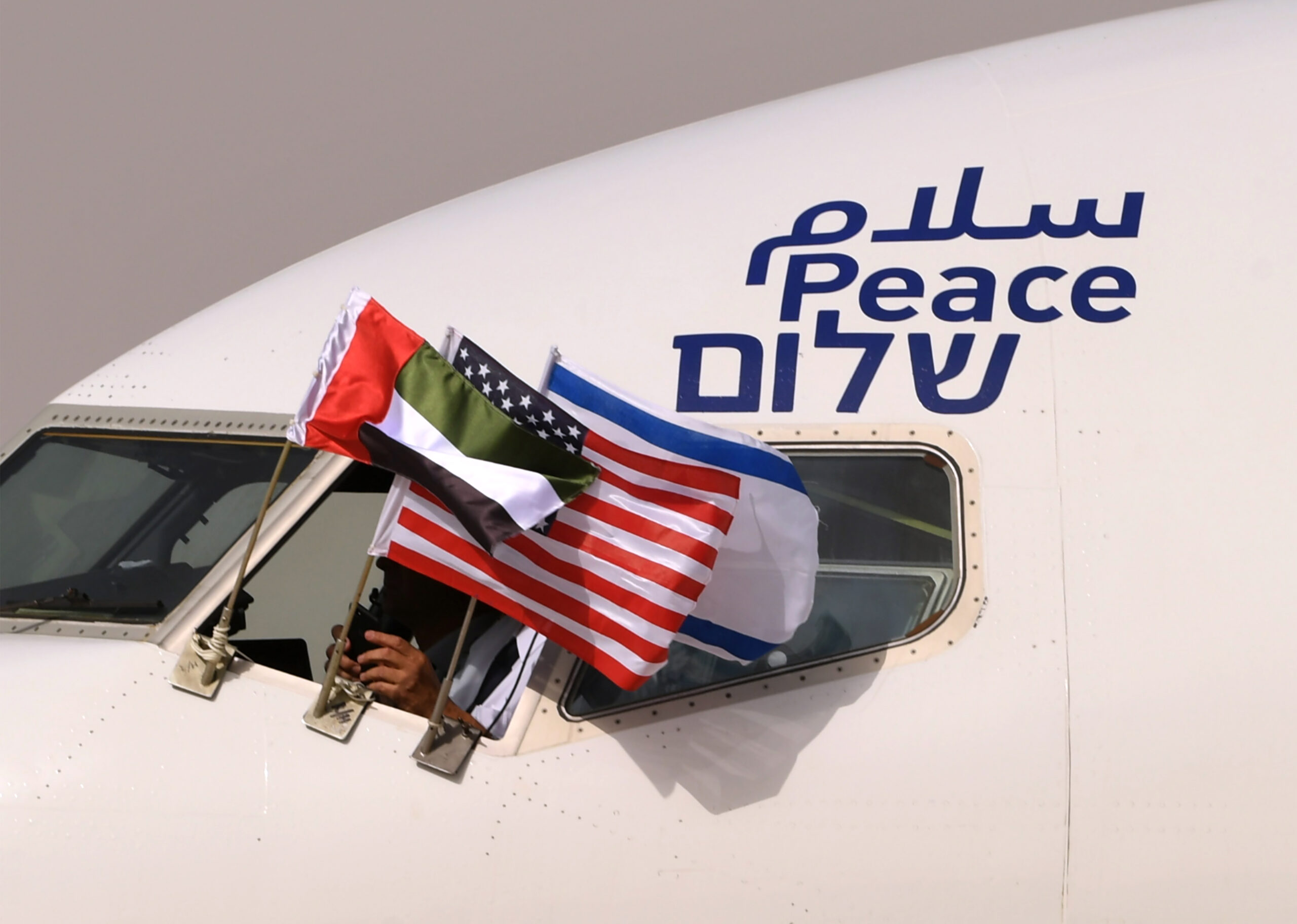
The partnership between Israel and the UAE is best analyzed and explained through the lens of the Abraham Accords. In recent years, extensive publicity framed these agreements as peace treaties between Israel and several Arab states, as well as a step toward regional stability and cooperation. The United States also seeks to promote the expansion of these accords by exerting pressure and influence. Yet on-the-ground realities and developments beyond official statements reveal that these accords function practically as instruments for power reconfiguration, consolidating the influence of Israel and the UAE—effectively positioning the Emirates as a “second Israel” in the region.
The overt alliance between Abu Dhabi and Tel Aviv exposes the true nature of the Abraham Accords, reveals the role of the accords in the escalation of crises and regional instability, and demonstrates that the rhetoric of peace and cooperation merely serves as a cover for advancing broader geopolitical objectives.
Why Tel Aviv and Abu Dhabi Are Natural Strategic Partners
The Israel-UAE partnership goes far beyond simple political cooperation. It is grounded in shared strategic and existential imperatives. Israel, forged in the aftermath of World War II and shaped by inherent identity-related insecurities, has consistently prioritized its security and national survival. The UAE, a young state with a population largely composed of non-citizens, faces analogous challenges: establishing national identity, consolidating internal legitimacy, and safeguarding political security.
These parallels have created fertile ground for strategic convergence. Israel, with its long-standing experience in security management and deterrence policy, emerges as a natural partner for the UAE. Conversely, the UAE, with its oil wealth, economic capacity, and proxy networks, provides Israel a platform to expand influence across the Arab environment and control strategic regions. Strategically, this alliance functions as a mutual response to identity, security, and regional challenges, while offering both parties an opportunity to reshape the regional order in their favor.
Strategic Objectives of the Israel-UAE Alliance
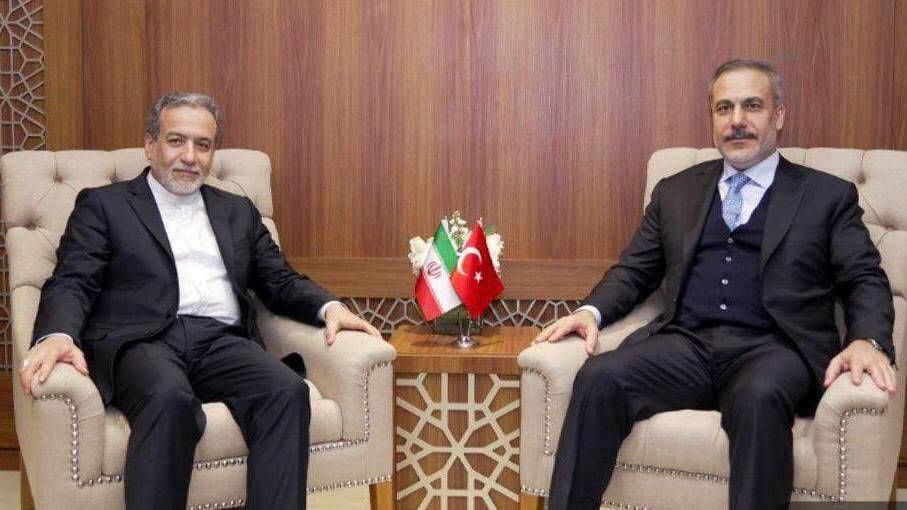
Recent developments indicate that the UAE-Israel partnership is focused on securing control over strategic regions such as Yemen, the Horn of Africa, and the Persian Gulf. Through establishing zones of influence, supporting proxy groups, and encouraging political fragmentation in select countries, the project explicitly targets the security and standing of three major regional powers—Iran, Saudi Arabia, and Turkey. Internal rivalries and tensions among these states have constrained their ability to present a unified response, limiting their capacity to exert effective influence.
Yemen exemplifies this strategy. The UAE has transformed southern Yemen into its exclusive zone of influence by backing proxies and paramilitary groups. Control over key ports and the strategic Bab al-Mandeb Strait, coupled with Israel’s presence on strategic islands, signals that the project is not solely military in scope but also aims to consolidate political and economic power. Meanwhile, traditional Saudi disputes with the Houthis have prevented a unified regional front against this aggressive project.
This approach extends to Sudan and Somaliland, where UAE and Israeli actions have led to Israel recognizing Somaliland’s independence—effectively an effort to curtail Saudi influence in the Horn of Africa. By exploiting chaos and crises in strategic areas, Israel and the UAE secure access to vital maritime routes, ports, and resources, creating leverage over regional powers and even impacting extraregional actors such as China.
The Role of the Abraham Accords
While cooperation between Tel Aviv and Abu Dhabi is deep and multidimensional, it is most comprehensively expressed through the Abraham Accords. Given regional developments since the accords’ signing and the UAE’s role in sowing divisions among Arab states to counter Israel, it is increasingly clear that the Abraham Accords, far from being purely peace-oriented, are a component of a broader Israeli strategy to consolidate regional hegemony. In practice, the accords have become tools for expanding influence, redesigning regional order, and exploiting chaos for the benefit of Israel and, secondarily, the UAE.
Under the guise of a peace treaty, Tel Aviv and Abu Dhabi have leveraged regional inaction, intensified traditional rivalries, deployed proxies, promoted state fragmentation, established military bases, and secured strategic territories—all aimed at expanding their power and marginalizing traditional actors. This strategy carries profound implications for stability, security, and the balance of power in the Middle East, revealing that the real objectives of the Abraham Accords extend far beyond the peace-oriented framework publicly promoted.