After the incidents of January 8 and 9, the flood of contradictory numbers about the death toll suggests a familiar pattern in narrative warfare by hostile media outlets, than indicating news confusion–the pattern in which “numbers” become means of legitimizing violence, war, and reducing moral sensitivity to Iranian lives in subsequent terrorist incidents, as the Gaza war and the devalued Palestinian lives.
Tehran – IranView24
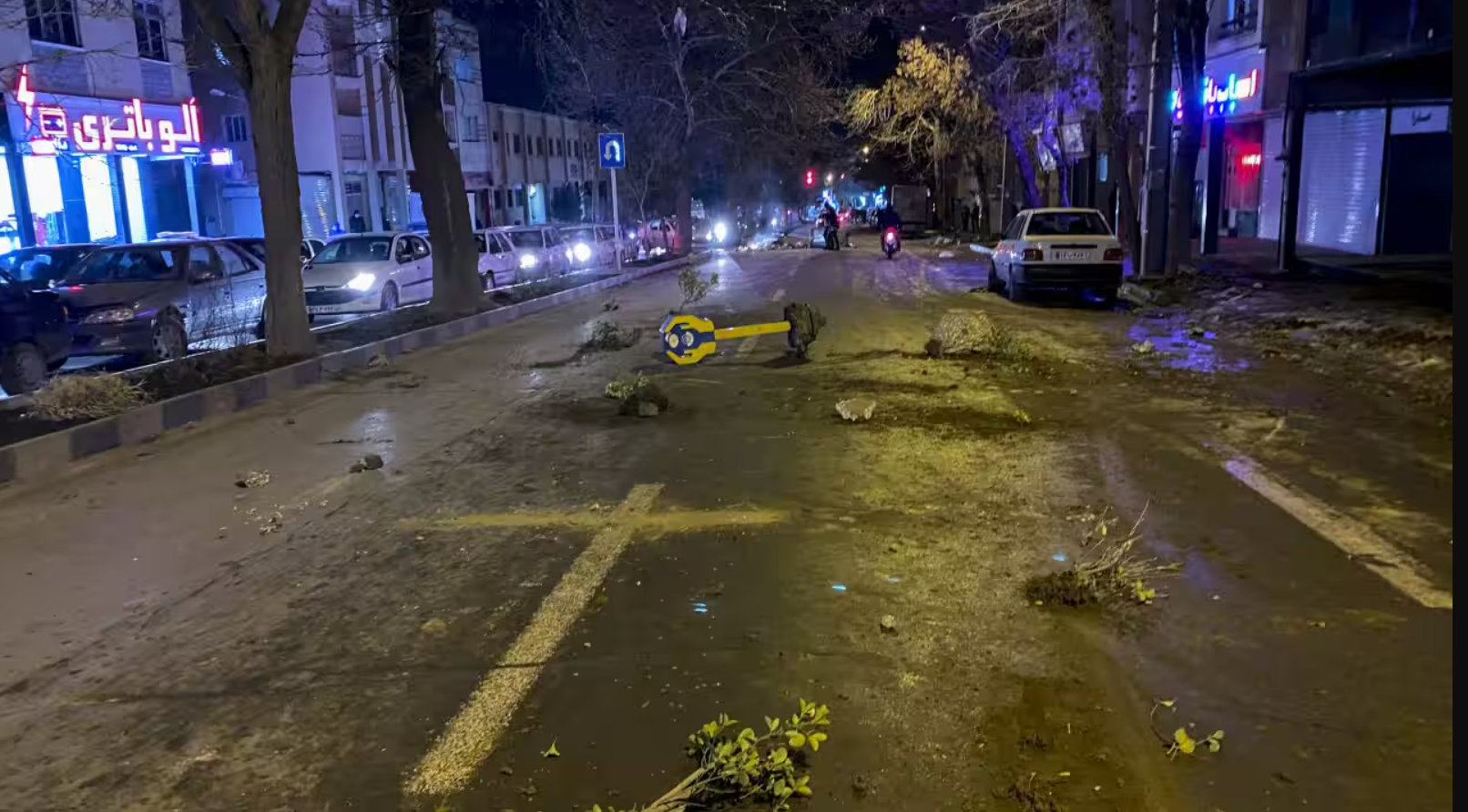
In the days following the January 8 and 9 incidents, which were literally an urban warfare between Iran and organized American-Zionist mercenaries, and also resulted in the martyrdom of numbers of ordinary people and passers-by, some American and Israeli media outlets, publishing contradictory, undocumented, and sometimes exaggerated numbers about the number of casualties, made attempts to produce voluminous narratives with complementary goals about internal developments in Iran.
The phenomena of the manufactured killing in the recent incidents, and manufactured numbers in relation to the number of deaths should not merely be analized in terms of the recent developments, but it is necessary to investigate it in the broader context of creating a state-nation divide in Iran, legitimising foreign intervention in Iran, engineering the perception of human casualties, and preparing public opinion for more costly scenarios in the future.
Manufactured numbers, here, following attempts to legitimize foreign intervention, it is not simply a matter of exaggerating or falsifying statistics, but rather a process by which “numbers” are used as a means of legitimizing human casualties in another possible imposed war against Iran. In this process, statistical accuracy and manufactured names are of second importance, and instead the psychological effect of numbers on the audience would be significant. Large numbers, even if they are proved to be contradictory, unsourced, or even fake, will gradually create a mental habit: a large number of Iranians who were killed are represented as “probable,” “normal,” and even “inevitable,” as in the recent incidents, and at the same time as calling for the unrest, Reza Pahlavi as a Zionist agent repeatedly emphasized the normality of the great human casualties.
This pattern was clearly visible earlier during the 12-day war. At that time, Western and Israeli media outlets presented Iran’s human losses as floating and ambiguous statistics, denying the martyrdom of ordinary people and downplaying the assassination of Iran’s defence officials and nuclear scientists. This approach aimed at reducing the audience’s moral sensitivity to Iranian lives. When the audience frequently faces the separation of the victims and the large numbers, without being accompanied by the human narrative, name, image, or the social background of the victims, the number will gradually become devoid of meaning, turning into an “abstract unit.”
In this term, the recent manufactured numbers regarding the American-Israeli terrorist operations of January 8 and 9 can be seen as part of a continuous process whose ultimate goal is to normalize Iran’s human casualties in case of a more large-scale military strike. Those media, spreading high death tolls ,today, regardless of professional responsibility, are actually making a mental presupposition for the day after war: if today hundreds or thousands of the dead are considered as imaginable, tomorrow the massive casualties in result of American or Israeli airstrikes will not be shocking.
This mechanism has a dual function. At the domestic level in the West and Israel, it helps reduce the political cost of the war. Public opinion, already accustomed to large numbers, will be less responsive to reports of higher casualties. At the international level, this narrative also leads to a kind of gradual indifference towards the lives of Iranian civilians, an indifference that plays a decisive role in military and diplomatic decision-making, as visible in the genocide occurred in the Gaza war.
From this perspective, the main issue is not simply defending a specific number or rejecting a specific statistic, but rather a confrontation with a process that makes the Iranian life as a variable capable of being adjusted into war equations. Ignoring this process means gradual acceptance of the Zionist logic in which the massive casualties are considered not as a catastrophe, but as the “expected cost” of war.
Decoding the terror price list in Iran’s unrest