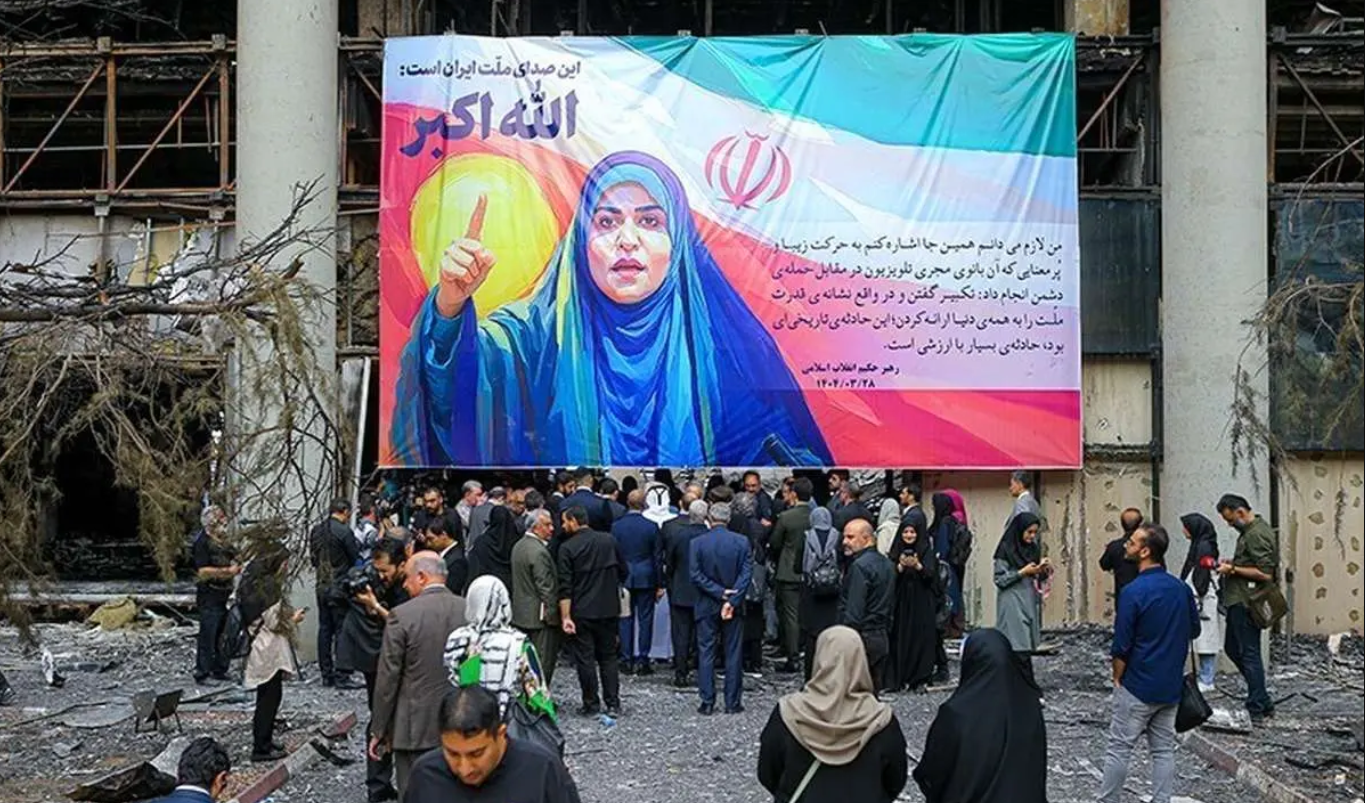
Contemporary wars, in the present era, transcend the domain of the physical battlefield and have evolved into a serious arena for media confrontation, narrative rivalry, and the control of public opinion. A review of the experience of the Israeli-imposed 12-day war and the events following it once again demonstrated that media outlets, as pivotal instruments in the generation of pressure, the advancement of strategic objectives, and the management of public opinion, fulfill a decisive role. During the 12-day war between the Islamic Republic of Iran and the Zionist regime in June 2025, which commenced with Israel’s aggressive attacks against Iran’s nuclear and military facilities, media outlets functioned as a central factor, playing a significant role in the war of narratives. This confrontation not only displayed the military power of both sides but also exposed their respective media capacities and approaches. Experts argue that within this confrontation, Iranian media, encompassing both official and unofficial outlets (that is, social networks and online sources), through an intelligent and coordinated performance, succeeded in taking the initiative and articulating the battlefield realities of the war with considerable efficacy. By contrast, efforts by the Zionists and their Western supporters within media platforms failed to conceal the contradictions and distortions embedded in their dissemination of news and reports. Iran Daily, in the exclusive discussions that follow with Dr. Nasim Majidi, professor of communication and media studies, and Afifeh Abedi, the CEO of IranView24 News Agency and researcher of international relations, seeks to examine the performance of Iranian media during the imposed 12-day war, the post-war approaches and policies, and the key lessons relevant to strengthening the country’s media diplomacy in the face of future challenges.
By Sadeq Dehqan, Iran Daily
 Nasim Majidi
According to Dr. Nasim Majidi, professor of communication and media studies, during the 12-day war, media outlets entered the arena as “key instruments capable of generating pressure and initiating psychological warfare”. As she explained, media performance in virtually every war follows a familiar pattern, whereby each side endeavors, through the optimal utilization of its media tools and capacities, to reinforce its military strength and attain superiority over the opposing side. From this perspective, she assessed the performance of Iranian media as highly satisfactory, emphasizing their success in accurately presenting battlefield realities and offering a “truthful and precise depiction” of events unfolding in the theater of combat.
During the conflict, she noted, Iranian media operated in a manner that made the country’s military power “faithfully and conspicuously visible” to adversaries. “At the same time, the capabilities displayed were entirely consonant with reality.”
One of Iran’s principal strengths in the war, she observed, lay in the brilliant functioning of its media ecosystem, encompassing state-owned, non-state outlets, other media institutions, and even activity within cyberspace. From this standpoint, she argued, Iranian media deserve a “very high evaluative score”.
She further emphasized that, during wartime, Iranian media exhibited “exceptional rapid responsiveness” in reporting developments, while simultaneously delivering reports of notably high quality. Of particular importance, in her view, was the presentation of Iran’s defensive and combat capabilities, which, day by day, unfolded with “new and unexpected dimensions,” demonstrating the extent to which the country’s armed forces are capable of protecting national security and inflicting effective blows upon the enemy.
Addressing what she described as the psychological dimension of warfare, namely “the media game itself,” Majidi explained that each side typically seeks to depict the opposing side’s military capability as diminished and ineffective. Iranian media, however, deliberately avoided this approach, instead concentrating on the presentation of their own strengths. “This strategic choice,” she maintained, “constituted a highly effective factor” in securing victory within the psychological battlefield.
From Majidi’s perspective, Iranian media clearly outperformed their adversaries in this war. By highlighting domestic strengths, we, in effect, exposed the opposing side’s weaknesses and maintained narrative superiority. A particularly valuable aspect of this achievement, she stressed, was the “unity and solidarity” demonstrated among Iranian media organizations. Within the media war, this cohesion enabled Iran to attract public attention and opinion, while simultaneously neutralizing the psychological pressure the other side intended to exert in order to disrupt public solidarity and alignment with domestic media.
She also acknowledged that war, by its nature, inflicts destruction and damage upon both sides, making it inaccurate to claim that only one party inflicted harm. Nevertheless, she asserted with confidence that Iranian media, by presenting “facts and realities,” ultimately revealed “the winning card”. When comparing the media performance of both sides, she concluded that Iranian media were far superior, particularly due to their ability to align global public opinion with Iran. After the war, she added, Iranian outlets continued to effectively portray Zionist aggression as “the initiator of the war”.
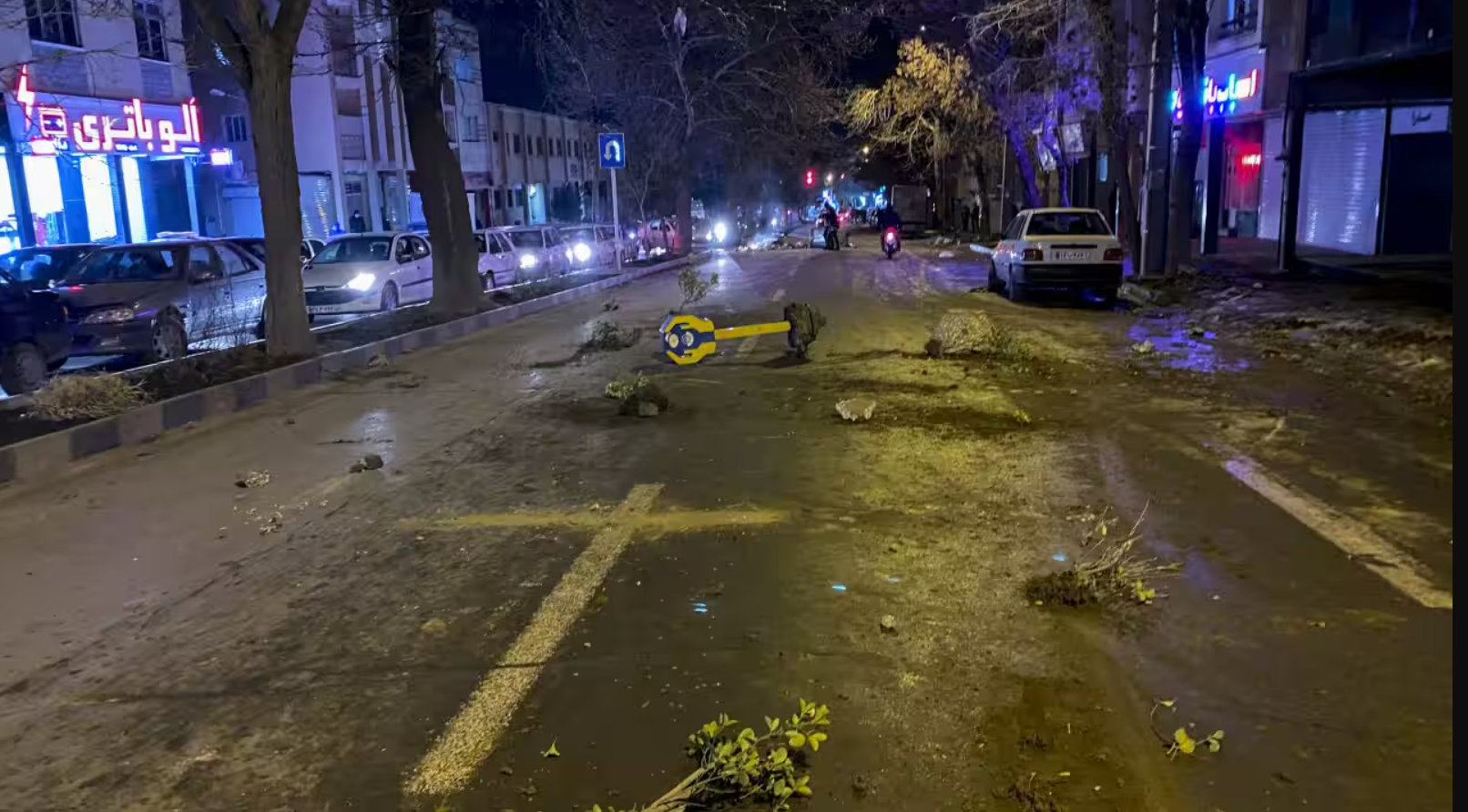
This stood in stark contrast, she observed, to efforts by Western and Zionist media to “whitewash the image” of the Zionist regime, by suggesting that only military targets were struck by Israel, and that civilian areas and ordinary Iranians were unharmed. Reports and images disseminated by Iranian media, depicting the destruction of residential neighborhoods and the killing of civilians, including children, clearly exposed the falsity of these claims and once again unveiled the “savage visage” of the Zionist regime.
Looking ahead, Majidi argued that, should Iranian media continue to operate in this manner, many of the crises and challenges confronting the country would be alleviated. “Where we become pioneers in revealing truths,” she explained, the adversary’s capacity for exaggeration and baseless claims is curtailed. Such an approach, Majidi concluded, offers a “highly suitable model” that can be replicated to ensure that media authority and capacity remain firmly under national control.
Afifeh Abedi
Turning to the broader analytical dimension, Afifeh Abedi, CEO of IranView24 News Agency and researcher of international relations at the Center for Strategic Research, emphasized that one of the decisive components of contemporary wars and crises is the “war of narratives,” a dimension that played a particularly prominent role in the recent confrontation between Iran and Israel.
She recalled that the Zionist regime, years before launching its “aggressive attack” against Iran, had undertaken extensive investments in media infrastructure and in the promotion of anti-Iranian narratives. Despite this, she identified the “intrinsic illegitimacy of the war” as one of the most critical factors strengthening Iran’s narrative during the imposed 12-day war. Numerous polls, she noted, revealed that Israel’s war propaganda encountered “meaningful opposition” within public opinion, particularly at regional and global levels. Conversely, Iran’s legal and political framework, grounded in the concept of giving a “legitimate, limited, and deterrent response,” enjoyed broader acceptance.
“In West Asia, in particular, public support for Iran’s decisive military responses was striking. One visible manifestation of the recent war, she added, was the expression of joy by Arab, and even American and European, social media users following the impact of Iranian missiles on Israeli targets.”
Drawing a parallel between military and narrative dimensions, Abedi explained that, just as the recent military confrontation was “asymmetric,” the war of narratives also unfolded asymmetrically. Iran faced a regime backed by “full political, military, and media support” from NATO and certain regional actors. Nevertheless, what reinforced Iran’s narrative, she argued, was not structural investment in media or public diplomacy, but rather the “intrinsic legitimacy of resistance” against an aggressive regime.
At the same time, she acknowledged that Iran has not engaged in systematic and sustained investment in media and public diplomacy. A substantial portion of Iran’s strengthened public diplomacy, she explained, derives instead from Israel’s “severely tarnished and widely detested image” in global public opinion, particularly following the Gaza war, the perpetration of war crimes and genocide against Palestinians, subsequent warmongering against Iran, the attack on Qatar, and the continuation of aggressive actions in Syria and Lebanon.
According to Abedi, global public opinion is now aware that the Zionist regime invokes claims of confronting Iran’s “peaceful nuclear program” to justify military action, despite the fact that Iran does not possess an atomic bomb, while Israel maintains a “non-transparent nuclear arsenal” outside the supervision of the International Atomic Energy Agency.
She further noted that Israel has spent “millions of dollars” in the war of narratives to recruit American celebrities and influencers. Nevertheless, she expressed hope that, within this “unequal media confrontation,” global perception of the occupying and warmongering nature of the Zionist regime would continue to expand, particularly as the regime perceives its own existence as dependent upon the “intensification of crises”.
Assessing the broader confrontation, Abedi argued that, when considering the various dimensions of asymmetric warfare in June 2025, and the level of preparedness of the Zionist regime and the United States against an “Iran preparing for a new round of nuclear negotiations,” Iran, despite encountering operational surprise, succeeded in maintaining “the upper hand” within the narrative battlefield.
At the levels of “framing” and “control of the escalation of the narrative war,” she observed, Iran performed more effectively than Israel. Israel’s strategy relied upon exploiting Western mainstream media to transform a “Western-Zionist consensus” into a regional and global one, an objective that ultimately failed due to widespread regional and global public support for Iran’s legitimate response. Nevertheless, she cautioned that Iran must exert greater effort to preserve this social base and translate it into “sustainable and goal-oriented public diplomacy.” For this reason, she concluded, Iran’s success in achieving enduring “media deterrence” cannot yet be considered permanent. “Even so, Iran has managed, at this stage, to increase the perceptual cost of renewed escalation for the Israeli side.”
Referring to the failure of Western and pro-Zionist media to “invert the realities of the war,” Abedi attributed this outcome to the ubiquity of social networks and the rising level of global awareness regarding the expansionist, exploitative, and hegemonic policies of the United States and Israel, developments that have weakened, and in some cases defeated, “pro-Zionist media distortions”.
Within this context, she explained, attempts to “downplay Israeli losses,” while simultaneously “amplifying the Iranian threat,” have entered a new phase. The dominant emerging narrative, advanced by Western-Zionist media and think tanks, revolves around 2 principal axes: first, the claim that Iran is inclined toward a “preemptive attack,” due to the experience of surprise in the June war and concerns regarding renewed Israeli aggression; and second, the amplification of alleged social and economic protests within Iran to facilitate destabilizing policies. Together, these axes constitute a component of “psychological and perceptual warfare” against Iran, to which Iran has thus far largely entrusted its response to public awareness and perception.
Finally, emphasizing the necessity of redefining and strengthening Iran’s public diplomacy, Abedi stressed that Iran must reinforce its public diplomacy in a “targeted and active manner,” focusing on domestic, regional, and global public opinion, particularly in the United States and Europe. Achieving this goal, she argued, requires the systematic production and dissemination of “documented data and narratives” concerning the warmongering actions of Israel, the United States, and their supporters, as well as the historically recurrent betrayals of the United States at the negotiating table, across diverse media platforms and social networks. Without such a redefinition, she concluded, the “temporary achievements” of the war of narratives cannot be consolidated or transformed into sustainable deterrence.