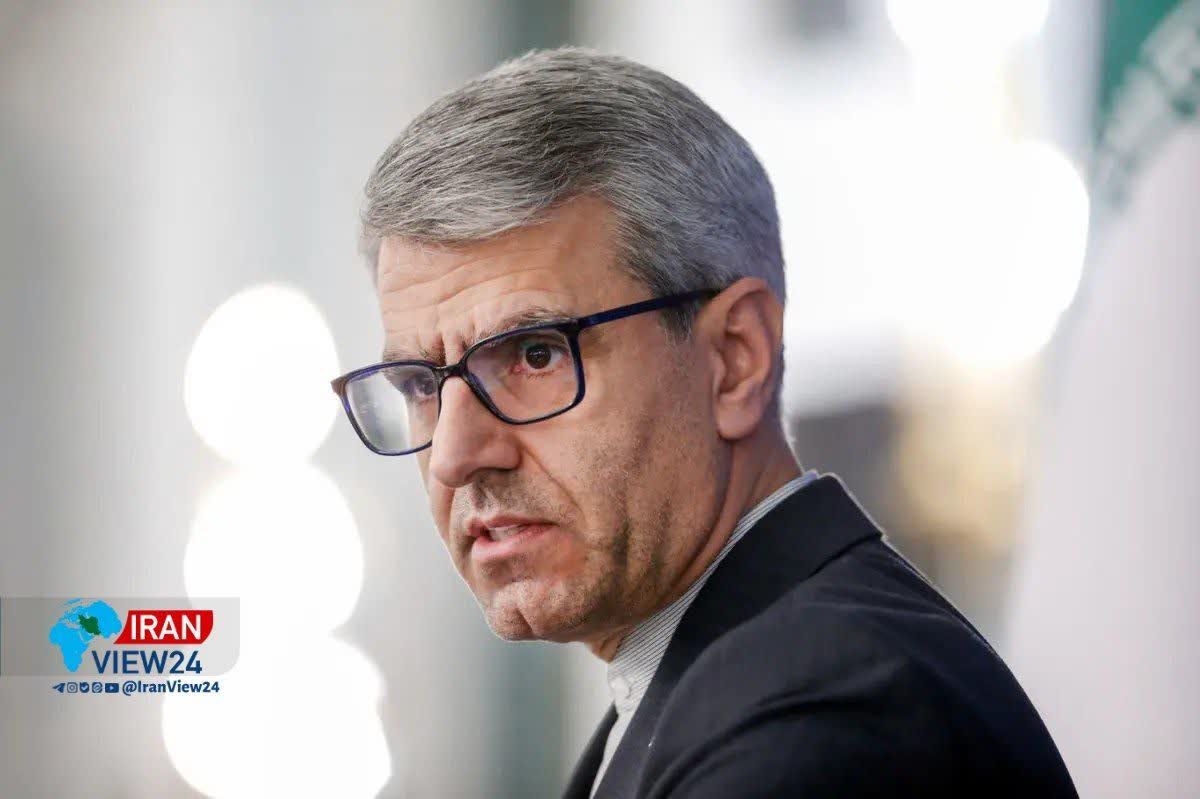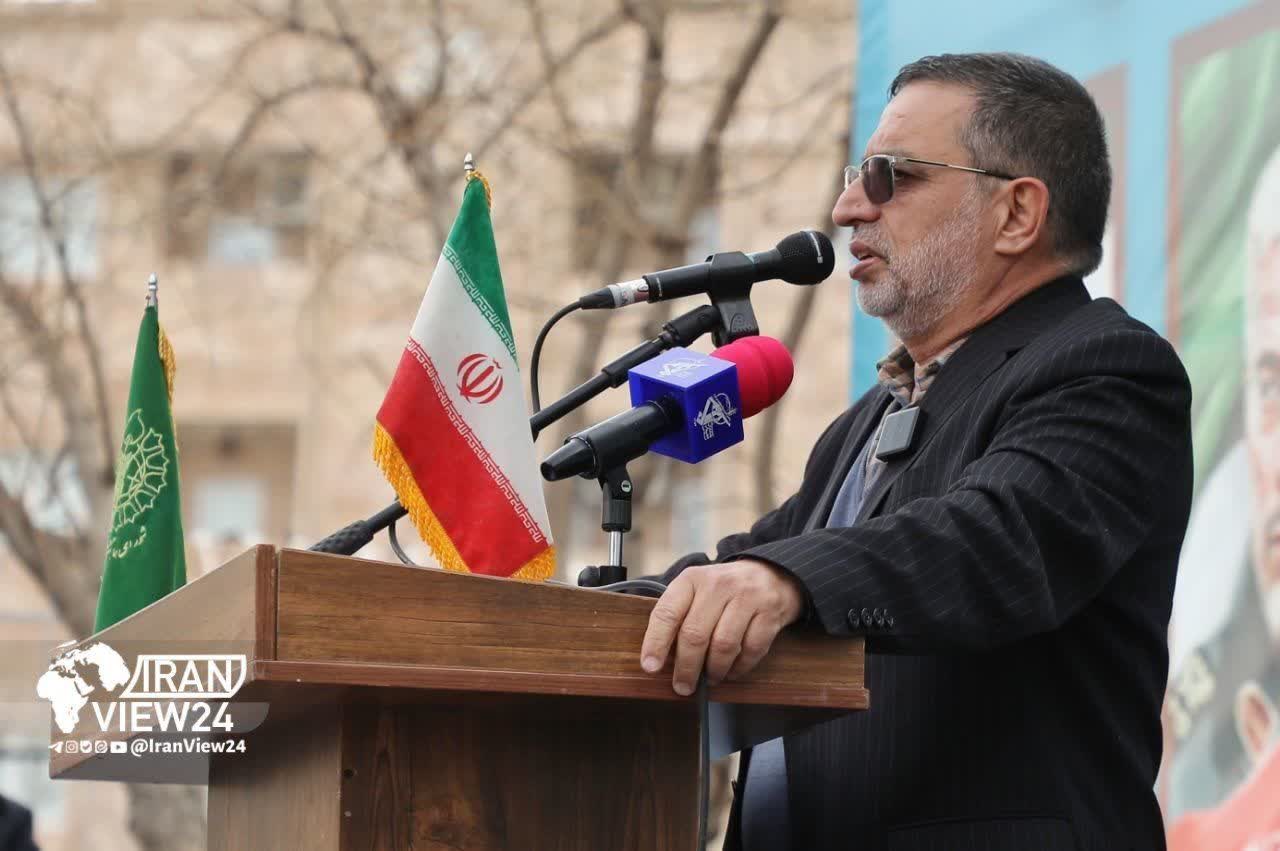
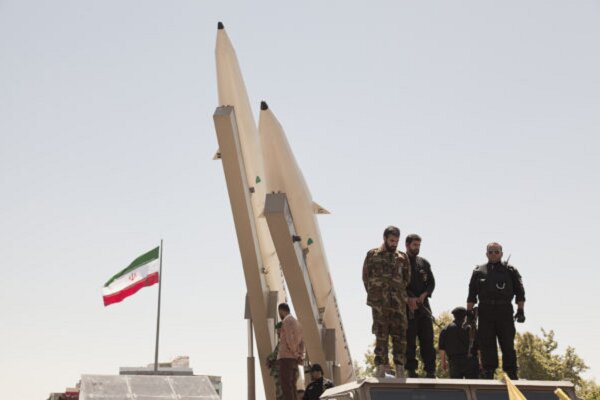
Ebrahim Rezaei, spokesman for Iran’s parliamentary National Security and Foreign Policy Commission, said a report presented by a senior commander of the Islamic Revolutionary Guard Corps Aerospace Force indicated that Iran’s “war room” is active and that, in the event of war, an initial strike on enemy interests would destroy 50 percent of the enemy’s capabilities.
Tehran – IranView24
Rezaei, outlining the commission’s meeting on Sunday, said members first exchanged views on the country’s key issues and challenges. He added that a senior IRGC Aerospace Force commander then briefed the commission on regional developments, military force deployments, and the current security environment.
According to Rezaei, the commander stated that Iran is fully prepared to enter a conflict at any moment and to respond to any hostile action, adding that all operational plans are in place and that Iran maintains high-level intelligence oversight of its adversaries and closely monitors their movements.
Rezaei said the briefing emphasized that any U.S. attack would trigger a regional conflict, which he described as a strategic advantage for Iran. He added that U.S. military and economic interests in the region are within Iran’s operational range.
The lawmaker said the commander also referred to “Operation True Promise 3,” described as a 12-day conflict, claiming that Iranian forces were able to penetrate a joint enemy missile defense shield with a success rate exceeding 50 percent. In any future conflict, he said, an initial strike on enemy interests would eliminate half of the adversary’s capabilities.
Rezaei added that, according to what he described as admissions by enemy research centers, 567 missiles were launched during the 12-day conflict, with 310 hitting their targets, while the rest were intercepted by NATO, the United States, and Israel. He also claimed that some Israeli missile defense interceptions malfunctioned and landed inside occupied territories.
The representative from Dashtestan said the session also included a report on Iran’s current offensive, missile, and military capabilities, stressing that Iran’s offensive posture has improved since the 12-day conflict and that its capabilities are stronger than what has so far been publicly demonstrated.
Rezaei said the meeting underscored that any hostile act would be met with a decisive, forceful, and deterrent response, in line with orders from Iran’s supreme commander-in-chief.
He added that commission members praised the efforts and achievements of the IRGC Aerospace Force, particularly during the 12-day conflict with Israel, and stressed the need for full support for the force, including meeting its operational requirements and addressing the welfare of armed forces personnel.