When Pahlavi calls out, his posture is in a way that makes it seem more like casual conversation, as if the camera has caught him on his way to somewhere, like the restroom, asking him to call out! The hand in his pocket also serves as a seal of approval, the same gesture that people make, saying a sentence half-finished to show that they are not that serious.
Ali Kakadezfuli, political sociologist
One of the topics worth pondering in analysing the recent unrest in Iran is examining the social and political status of Reza Pahlavi and his supporters. From the perspective of foreign media, Reza Pahlavi is a popular figure in Iran with widespread support, but many facts show that this image is fabricated and not real. In this note, we have tried to take a closer look at this issue.
Calls are an excuse for massing, not the reason for them
The most important point to note is that Reza Pahlavi’s calls for rallies and protests in Iran did not and do not mean widespread acceptance and approval of him by a large part of the Iranian people. These calls have served more as a means of creating a simultaneous point of gathering for people with different views and goals. Indeed, the purpose of many of those participated in these protests and movements, although they have ostensibly supported Reza Pahlavi, has been to declare opposition and dissatisfaction with the Islamic Republic rather than to approve of him. These protests have served more as a common symbol to confront the current situation, rather than to support a specific figure.
They only need a single symbol against the Islamic Republic
Although Reza Pahlavi is considered as a symbol of opposition to the Islamic Republic, this symbol does not indicate acceptance or approval of him as a leader or a reliable and powerful figure to lead Iran. In fact, if we look at the history and social atmosphere of Iran in recent decades, we see that many Iranians have never seriously supported Pahlavi as an option to lead the country. The recent street protests were more an expression of dissatisfaction or perhaps anger arising from some of the current problems in the country, rather than an acceptance or return to the imperial regime.
The calls have planned based on the time the riot started
Another important point is that what causes the recent riots and unrest is not due to the calls of Reza Pahlavi, but is mostly influenced via previous planning by the foreign countries, specially the U.S. and the Zionist regime. These events had deliberately been planned, aiming at destabilizing Iran. Pahlavi was used as a tool in these political and security programs, and was asked to set specific times for public appeals, so that this would be a pretext for starting riots.
In fact, Pahlavi has entered the arena not as a person of popular approval, but as a political tool and a tool for the accomplishment of the foreign countries’ purposes. Therefore, analysing these riots and protests from the perspective of Pahlavi’s social acceptance give a false picture of the reality.
The anger and protests in some sectors of the society, in conjunction with these riots in the streets, are rooted in public problems and dissatisfaction with the country’s economic, social, and political situation. A significant portion of the people taking part in these protests, has sought to express genuine dissatisfaction and protests against the system.
While some of these protests may have included slogans in favor of Reza Pahlavi, the reality of them does not represent his serious approval as a leader or an option for governance in Iran. These slogans have mostly been given to the Pahlavis as a reaction to the current situation, and due to the lack of other alternatives to express the protest. These people have actually sought to change the system and the conditions of the country, not to return to the previous regime.
There is no link between the dissatisfaction and protest, and the riots and calls
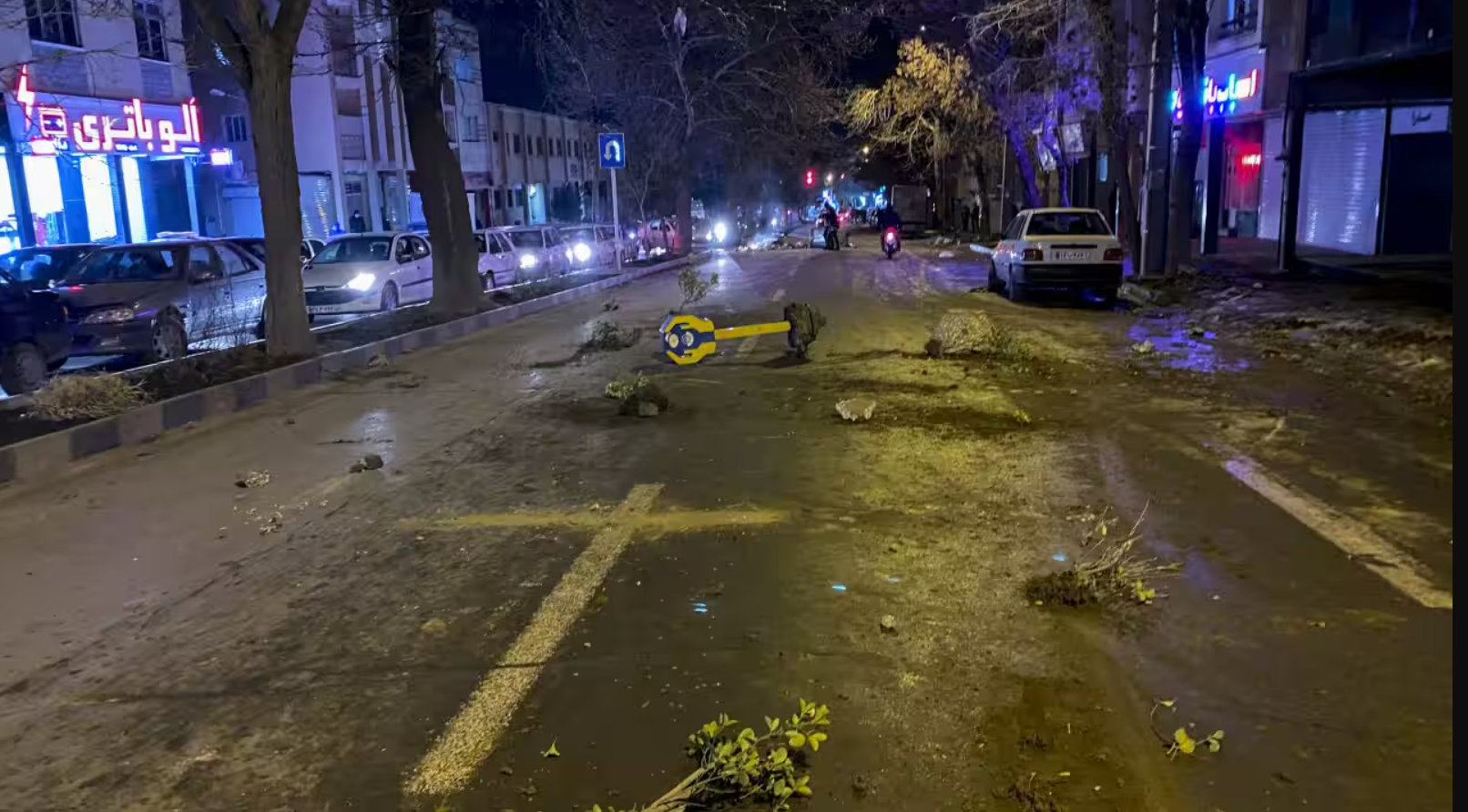
Many Iranians attended the protests were shocked and bewildered by the violent and destructive results of the unrest. What they had previously imagined about the protests, especially compared to the 1401 protests, was a mild and peaceful image. Nevertheless, as the violence escalated and the government treated the rioters more firmly, many people turned away from the movement, and moved away from the rioters. It is certain that the protests, instead of becoming a peaceful movement, will quickly turn into a violent and destructive situation. This caused doubt and a retreat from the continuation of the support for the unrest, especially among those who had previously participated in the 1401 protests.
These shifts in public reactions and viewpoints indicate that many Iranians, seeking changes and reforms in the country, have never gone toward considering violence and chaos as an appropriate solution. This ultimately led to a decrease in the reputation of individuals like Reza Pahlavi, who produced themselves as symbols fighting the Islamic Republic, but facing realities on the ground, they did not have any consistent and clear positions against violence.
Pahlavi has not even taken himself seriously
This self-proclaimed political leader, who had mistaken himself for a content influencer from the beginning, showed with his first call-out video that he does not even know the basics of being an influencer. The location is irrelevant, the background is unclear, as if standing in a warehouse. his posture is in a way that makes it seem more like casual conversation, as if the camera has caught him on his way to somewhere, like the restroom, asking him to call out! The hand in his pocket also serves as a seal of approval, the same gesture that people make, saying a sentence half-finished to show that they are not that serious. He spoke to a nation with the very posture, a gesture and a frame that in no way convey a message of seriousness and certainty; on the contrary, they convey a message of fear, hesitation, concern, and anxiety.
In terms of personality traits, Reza Pahlavi clearly has a shaky and timid personality can hardly be considered as a trustworthy leader. These traits are visible in his decision-making, stances, and even his language, and play a significant role in reducing his credibility and hatred among the Iranian people. Because even the dissidents and rebels have no hope in him to advance their protest. That is why he is used more as a “puppet” to advance the goals of others, rather than as an independent and real figure who takes over the leadership of Iran.
Even America and Israel have not taken Pahlavi seriously
We must admit that Reza Pahlavi is not popular with a large portion of the Iranian people, but has emerged as a tool to advance the goals of the enemies of the Islamic Republic. Pahlavi himself has never presented himself as a serious and independent political figure in Iran since the beginning of the revolution. Even the foreign countries like America and the Zionist regime have never considered him as a serious option to lead Iran. His position with these powers has been defined more as a tool to realize their political and strategic purposes. Trump’s hesitation in speaking of Pahlavi is a clear confirmation of this point.
The survivor of the Pahlavi dynasty has never enjoyed serious, widespread, popular support in Iran, and his image as an influential leader is more of an illusion created by the enemies of the Islamic Republic for their own specific purposes.