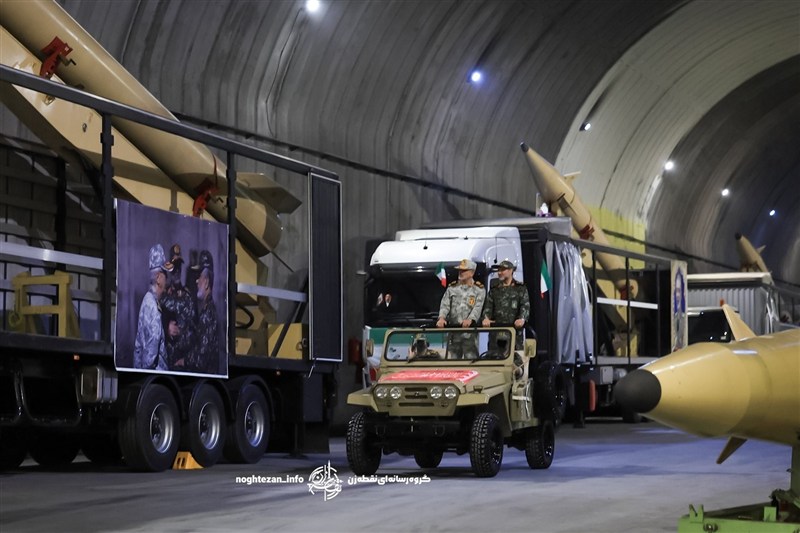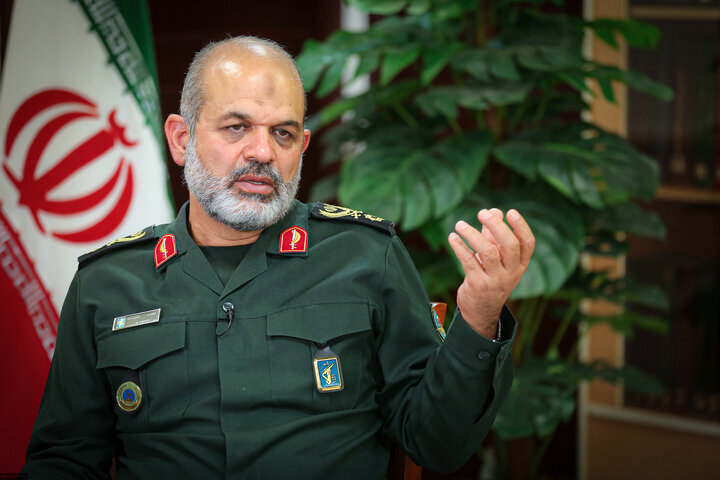
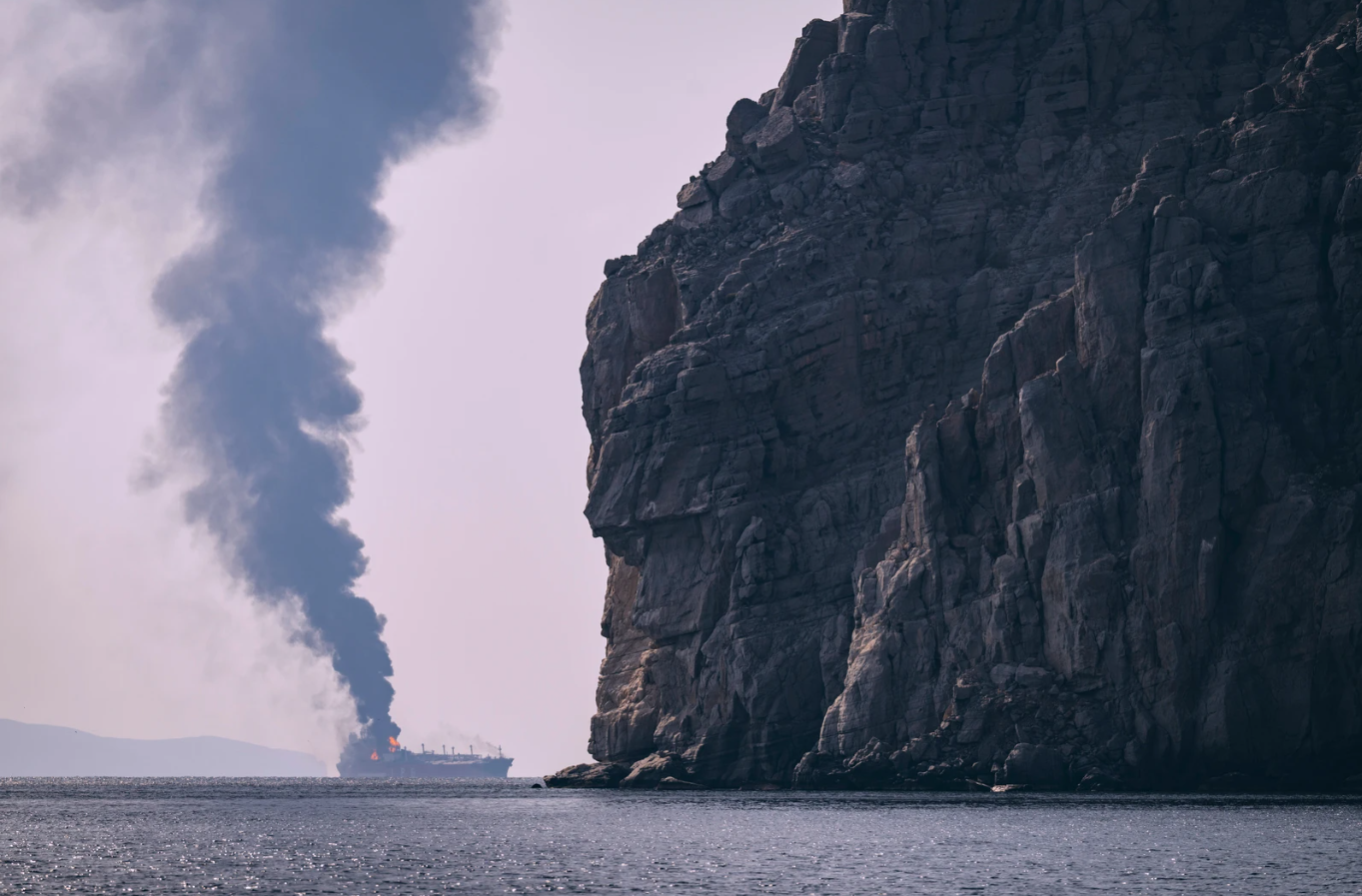
Iranian forces have shot down at least three US unmanned aerial vehicles and forced an American F-16 fighter jet to abort its mission and land at a regional military base, according to information provided by Iranian military sources, amid escalating tensions in and around the Strait of Hormuz. An Iranian military official described the latest developments as one of the most intense and complex military confrontations since April 2026, involving a wide range of offensive and defensive operations by Iranian forces across the strategic waterway.
Tehran-IranView24
An Iranian military official familiar with developments in southern Iran and the Strait of Hormuz said that Iranian forces had carried out one of their most extensive and diverse combinations of offensive and defensive military operations over the past 24 hours, targeting vessels violating maritime restrictions and countering the activities of US military aircraft in the region.
According to the official, at least three American unmanned aerial vehicles were shot down during the latest confrontations, while a US F-16 fighter jet was forced to abort its mission and land at a military base elsewhere in the region.
The official said that CENTCOM’s combined operational scenarios, designed to disrupt Iran’s maritime monitoring and control arrangements in the Strait of Hormuz, had been effectively neutralized through two principal capabilities: persistent surveillance and monitoring, and effective firepower.
The official further stated that the US-backed plan to escort oil tankers through the strategic waterway, with aerial and naval support from American fighter jets and warships, had been defeated.
Iran’s Expanding Surveillance and Defensive Network
The official attributed Iran’s ability to counter US military operations to the extensive deployment of maritime and aerial surveillance units throughout the Persian Gulf and the Sea of Oman, alongside a multilayered military operational framework extending along the country’s southern coastline.
According to the source, this integrated surveillance and response network has shifted the strategic balance in Iran’s favor, significantly strengthening the country’s ability to monitor maritime movements, identify potential threats and respond to military activities across a broader operational area.
The official emphasized that the combination of continuous surveillance, coastal defense capabilities and coordinated military operations had effectively undermined US efforts to establish a new security and maritime arrangement in the Strait of Hormuz.
Regional Security Calculations Under Pressure
The Iranian military official pointed to a growing shift among regional governments and international commercial operators away from reliance on Washington’s security commitments, as confidence in US-led security arrangements continues to decline.
According to the source, several Persian Gulf states, alongside major European and American companies operating in the region, are increasingly considering alternative security arrangements amid growing questions about the Pentagon’s and CENTCOM’s ability to guarantee maritime security and protect commercial shipping.
The official described this shift as a move toward independent regional security and military arrangements, reflecting a changing regional balance and the declining role of US-led security mechanisms.