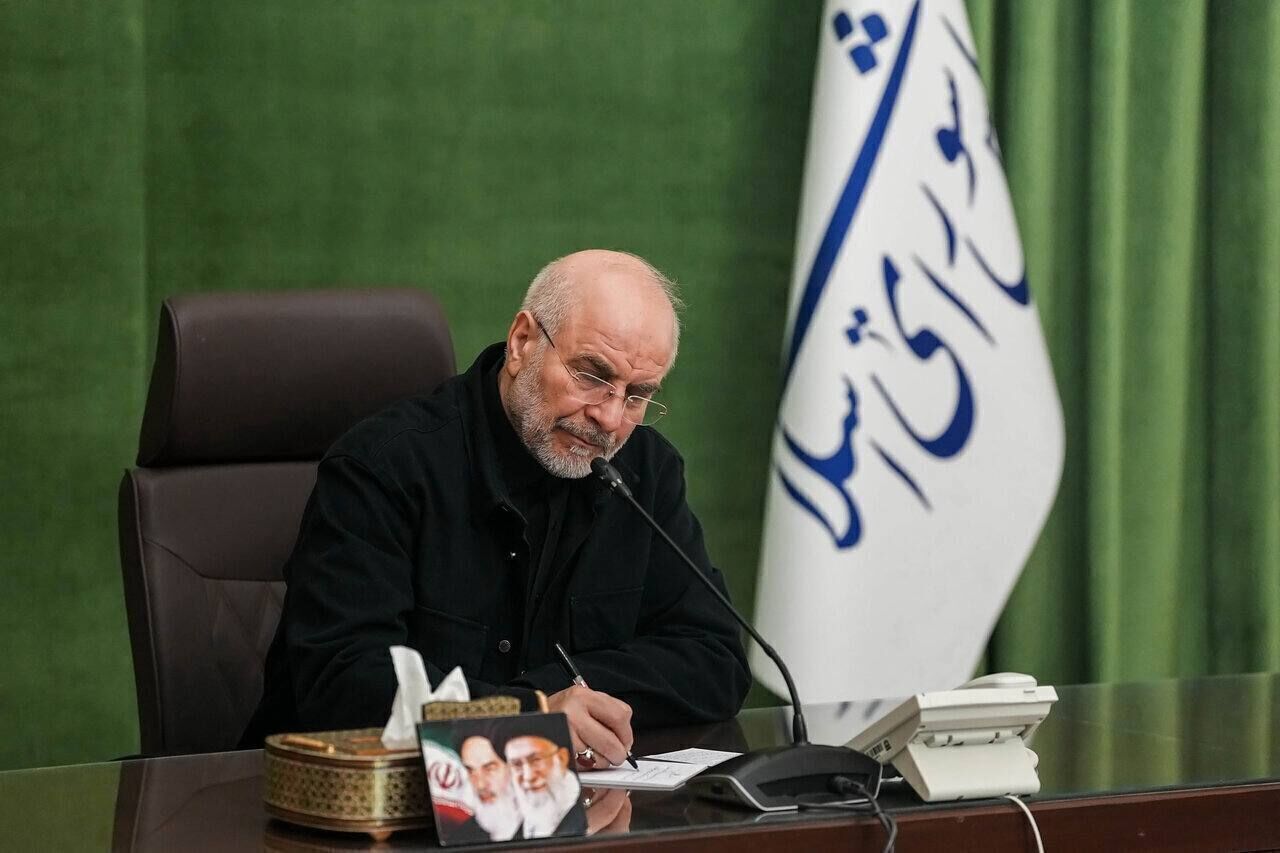

Highlighting Iran’s military readiness and defensive power, a former member of the Parliament’s Presiding Board stated that Donald Trump must answer whether he intends to end his regional and global warmongering through a rational approach, or continue to accept responsibility for the destructive consequences of his stubbornness.
Tehran – IranView24
Hojjat al-Islam Hossein Sobhaninia discussed the extension of the ceasefire, noting: “The decisive positions of the Islamic Republic of Iran regarding its readiness to continue the struggle—with high capability and the utilization of more effective weaponry—increased concerns among regional Arab states, the Zionist regime, and the United States. This was instrumental in the U.S. decision to declare and extend the ceasefire.”
The representative for Nishapur in multiple parliamentary terms emphasized that the current situation is highly unstable due to Trump’s actions. “Iran’s deep mistrust of the U.S. led to the non-acceptance of the ceasefire by Tehran. Consequently, Trump, facing intense domestic and international pressure, acted unilaterally to extend the ceasefire, which highlights the political costs of U.S. aggression against Iran,” Sobhaninia stated. He added that countries like Pakistan, Turkey, and Egypt are currently seeking to mediate and provide a platform for negotiations to end this unstable situation.
Sobhaninia attributed the negotiation stalemate to Trump’s “excessive demands” and pointed to several domestic factors in the U.S. that forced the ceasefire extension: The formation of anti-war pressures within American academic and political circles against Trump’s warmongering. Escalating friction between Republicans and Democrats, with the latter opposing Trump’s aggressive approach from the start. The upcoming midterm elections and the destabilization of the Republican Party’s base due to Trump’s “irrational performance.”
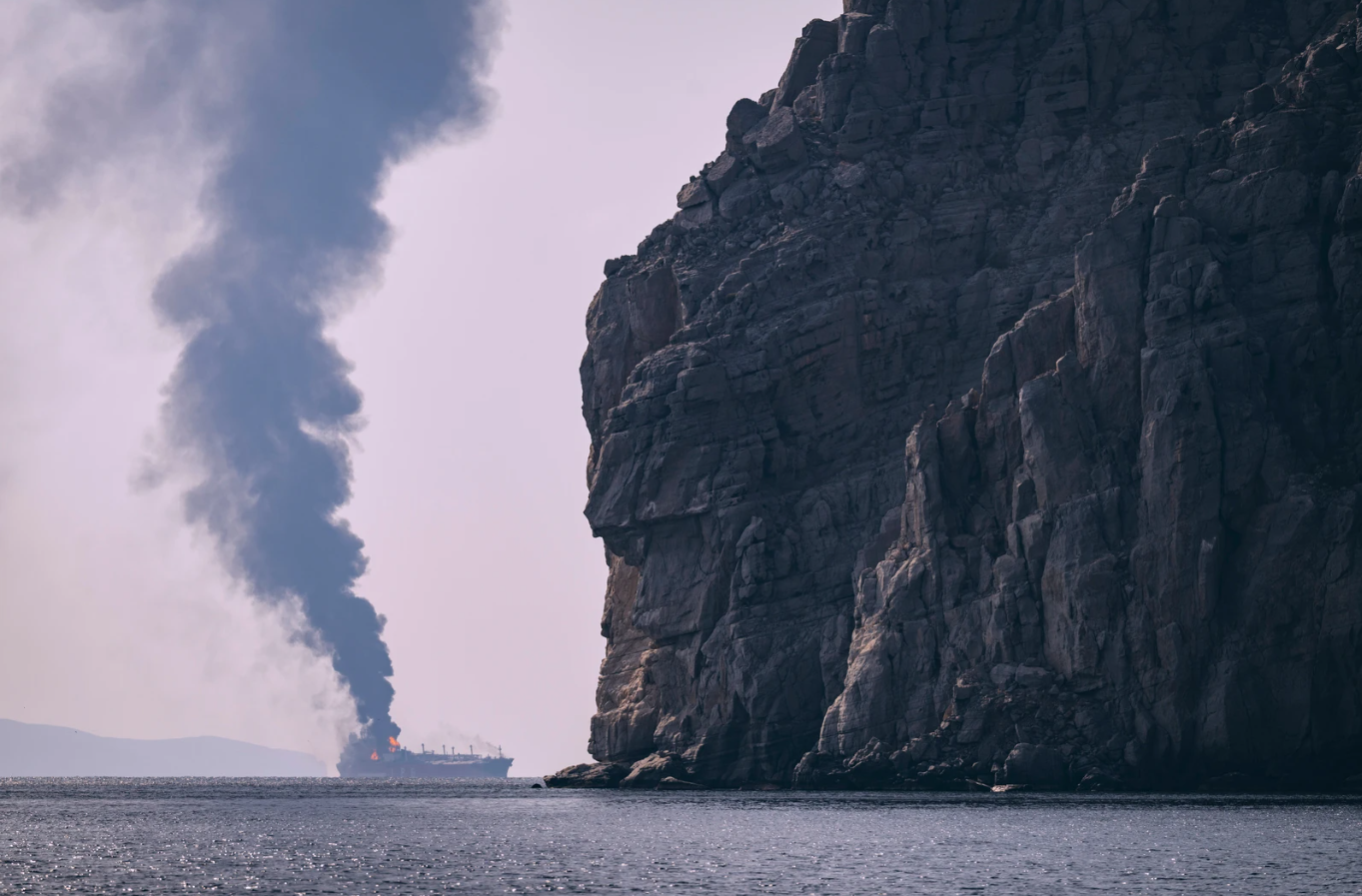
From a regional and international perspective, Sobhaninia noted that the fallout of the aggression on energy markets—including price surges in oil, gasoline, jet fuel, and petrochemicals—was a major factor. “The concern of regional countries, especially Arab states, regarding the continuation of the war and its consequences, pushed Trump toward the extension,” he said. He warned that if Trump insists on this path, the consequences will be even more destructive for the West, with potential disruptions in the Strait of Hormuz and actions by Yemen further devastating the global energy market.
The former MP cited Iran’s missile and drone readiness as a primary reason for the U.S. retreat. “The adversary entered this war with the goal of damaging infrastructure and creating public dissatisfaction, but the result was the opposite,” he remarked.
“For over 60 days, people across the country, even in remote villages, have demonstrated their solidarity and readiness to defend the homeland and support the armed forces. This national unity and the capabilities of the Islamic Republic’s forces brought the U.S. to the conclusion that it cannot achieve its goals through this path,” Sobhaninia added.
He concluded that the combination of U.S. internal conditions, energy market developments, and the resilience of the Iranian people has left Washington with no choice but to move toward logical and peaceful solutions.
Source: ISNA