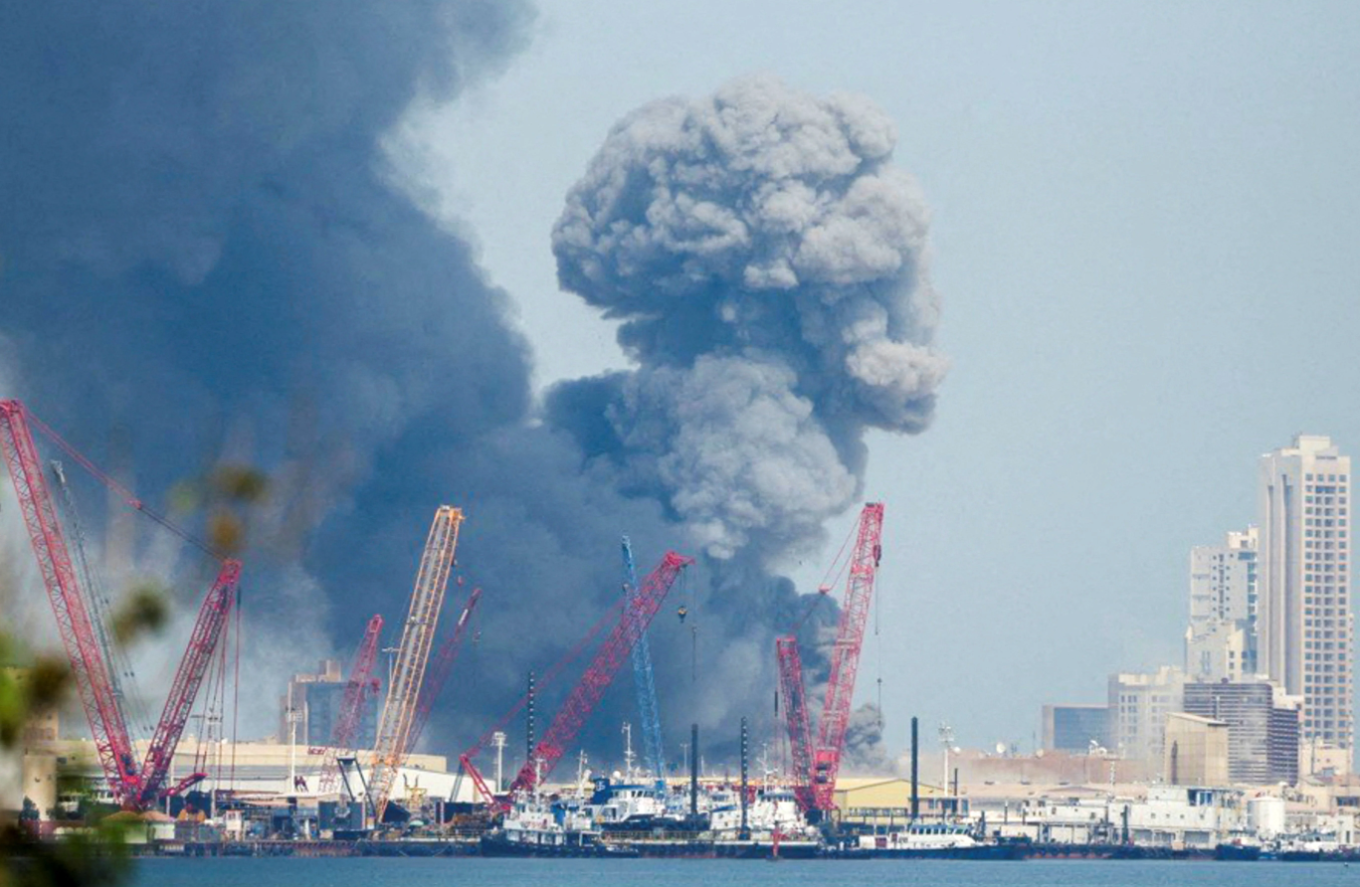
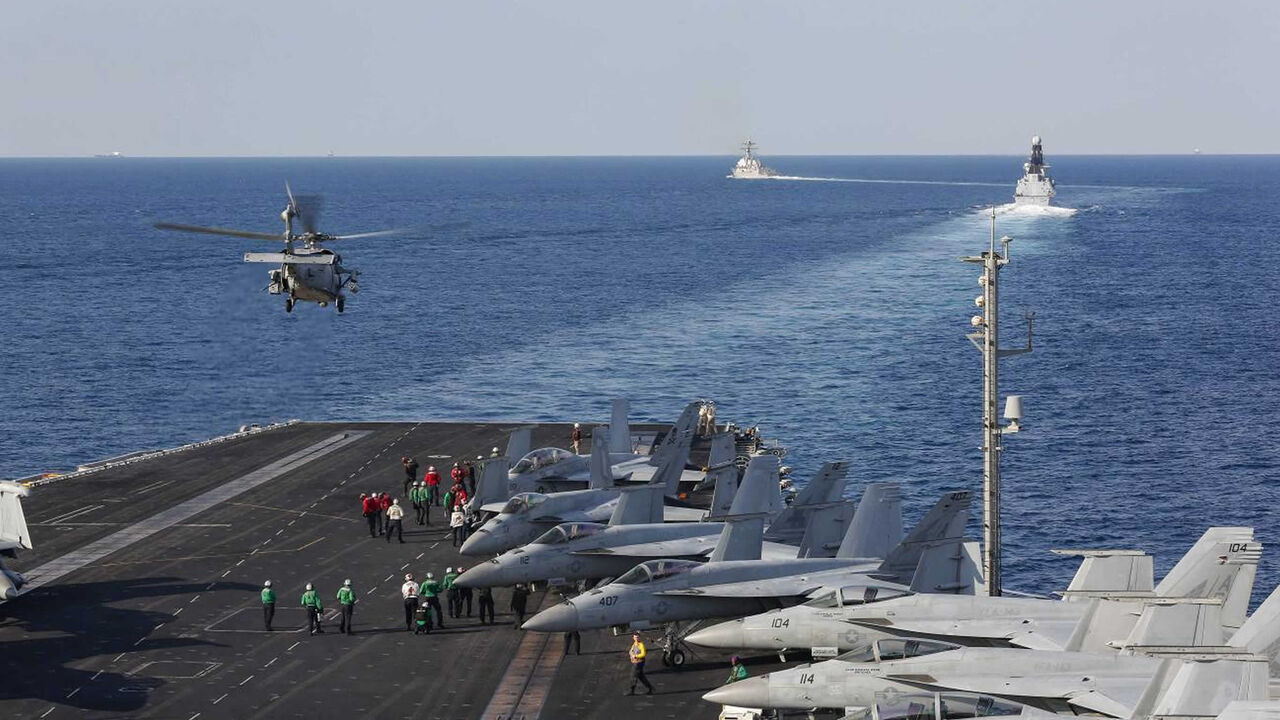
Amid the media frenzy and persistent speculation about the possibility of a large-scale military confrontation with Iran, what transpires in strategic war rooms and high-level decision-making circles is a far cry from sensationalist headlines. Viewing the scene through the lens of cold, calculating power logic reveals that the main obstacle to any direct military action in the short term is not merely the conventional military balance, but a more complex and decisive element: “the incalculable costs stemming from ambiguity.”
Abed Akbari, Iran Daily
Despite fiery political rhetoric, major states and powers are inherently cautious actors. They typically resort to military force only when they can, with high confidence, predict the adversary’s responses, the escalation path of the crisis, and the conflict’s end point. Iran’s security conundrum takes shape precisely at this point; where Tehran’s behavior pattern does not fit into classic crisis management frameworks, and this very unpredictability has become its most effective deterrent shield.
The fundamental challenge for Western military planners and some regional actors is that Iran does not follow a linear, easily modeled doctrine. Within this framework, responding to a limited attack does not necessarily culminate in a proportionate or purely defensive reaction. In current calculations, the adversary is faced with a “black box” in Tehran’s decision-making process—a box containing a spectrum of options, from tactical restraint to horizontal escalation of the conflict, existing simultaneously.
This ambiguity rules out any guarantee that a limited attack will remain confined. Relying on its regional network of influence and asymmetric tools, Iran could shift the arena of tension beyond the initial battlefield and target the adversary’s vital interests in more vulnerable locations.
The inability to accurately model the “escalation ladder” has turned every attack scenario into a high-stakes gamble—a gamble in which the initiator of the conflict will not necessarily call the shots on its course and conclusion. In today’s interconnected world, where the global economy and energy security have become the Achilles’ heel of major powers, this risk takes on more complex dimensions. The concern over Iran’s creative and unconventional responses—responses that could impact energy flows, the security of international waterways, or the stability of global markets—drives up the cost of war beyond the “acceptable” range.
When a state actor cannot be sure that a conflict will be confined to purely military targets and sees the possibility of the rules of the game being transformed, strategic logic dictates that the military option be set aside.
From this perspective, the current situation should not be seen as a sign of lasting peace. What has prevented war is a kind of balance based on fear and ambiguity—a situation in which the adversary steers clear of entering a dark tunnel with an unknown end and, instead of direct confrontation, falls back on political, economic, and diplomatic pressure tools. As long as this ambiguity regarding the manner, timing, and intensity of Iran’s response persists, the likelihood of a full-scale war in the short term will fall victim to rational cost-benefit calculations.